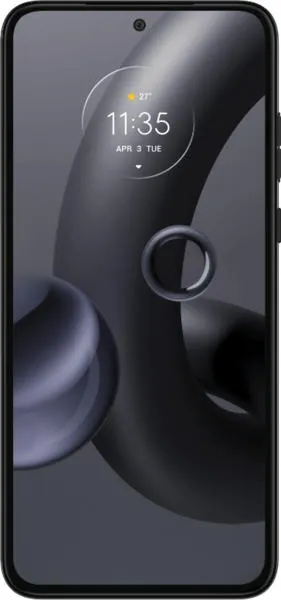
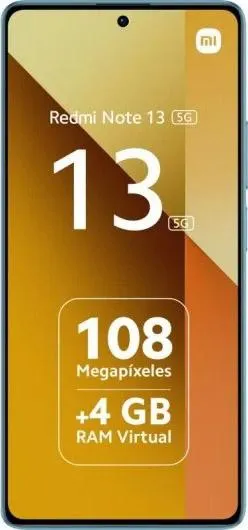
Motorola Edge 30 Neo vs. Xiaomi Redmi Note 13: A Detailed Comparison
Let's dive deep into a comparative analysis of the Motorola Edge 30 Neo and the Xiaomi Redmi Note 13, dissecting their specifications and uncovering what they truly offer users in the real world.
1. Specifications Breakdown
| Feature | Motorola Edge 30 Neo | Xiaomi Redmi Note 13 | Real-World Implications |
|---|---|---|---|
| Design | |||
| Dimensions (mm) | 152.9 x 71.2 x 7.8 | 161.1 x 75 x 7.6 | Neo is more compact and pocketable; Note 13 offers a larger presence. |
| Weight (g) | 155 | 174.5 | Neo is noticeably lighter, reducing hand fatigue during extended use. |
| Display | |||
| Type | P-OLED, 120Hz | AMOLED, 120Hz | Both offer smooth scrolling and vibrant colors; AMOLED generally boasts deeper blacks and better contrast. |
| Size (inches) | 6.28 | 6.67 | Note 13 provides more screen real estate for media consumption and multitasking. |
| Resolution | 1080 x 2400 | 1080 x 2400 | Comparable sharpness; larger display on Note 13 results in slightly lower pixel density. |
| Performance | |||
| Chipset | Snapdragon 695 5G | Dimensity 6080 | Both mid-range chipsets; performance differences likely negligible for everyday tasks. |
| RAM (GB) | 8 | 8/12 | Note 13 offers a 12GB RAM option for potentially smoother multitasking with demanding apps. |
| OS | Android 12 | Android 13 | Note 13 ships with a newer Android version, offering potential feature and security advantages. |
| Camera | |||
| Main Camera (MP) | 64 | 108 | Note 13 boasts significantly higher resolution, potentially capturing more detail. |
| Selfie Camera(MP) | 32 | 16 | Neo offers a higher-resolution selfie camera. |
| Battery Life | |||
| Capacity (mAh) | 4020 | 5000 | Note 13 has a substantially larger battery, likely translating to significantly longer usage time. |
2. Key Insights
Size and Portability: The Edge 30 Neo prioritizes one-handed usability with its compact and lightweight design. The Redmi Note 13, while larger and heavier, caters to those who prefer a more immersive media experience.
Performance: Both devices offer comparable mid-range performance. The Note 13's 12GB RAM option provides a potential advantage for heavy multitaskers. Real-world differences in speed and responsiveness are likely to be minimal for average users.
Camera: The Redmi Note 13's 108MP main camera sensor promises detailed images, while the Edge 30 Neo's 32MP selfie camera caters to selfie enthusiasts. The Neo also features optical image stabilization, a significant advantage for sharper photos and videos.
Battery: The Redmi Note 13's massive 5000mAh battery significantly outperforms the Edge 30 Neo's 4020mAh battery, promising extended usage without frequent recharging.
3. User Profiles and Recommendations
Edge 30 Neo: Ideal for users prioritizing portability, a sleek design, and a good selfie camera. Suitable for moderate usage with social media, web browsing, and casual photography.
Redmi Note 13: Best suited for users who value a large display for media consumption, extended battery life, and a high-resolution main camera. Well-suited for heavy usage, gaming, and capturing detailed photos.
4. Buying Decision Framework
- What is your budget? The Redmi Note 13 generally falls into a lower price bracket than the Edge 30 Neo.
- What screen size do you prefer? Compact (Neo) or immersive (Note 13)?
- What is your primary usage pattern? Moderate everyday use (Neo) or demanding tasks and media consumption (Note 13)?
My Choice: The Xiaomi Redmi Note 13
While the Motorola Edge 30 Neo offers a compelling combination of portability and style, I would personally choose the Xiaomi Redmi Note 13. The significantly larger battery capacity, offering extended usage time, is a crucial factor for me. The larger display also enhances my media consumption experience. While I appreciate the Neo's lighter weight, the Note 13's advantages in battery life and screen size outweigh the portability trade-off for my usage patterns. The competitive price of the Note 13 further solidifies its value proposition.
