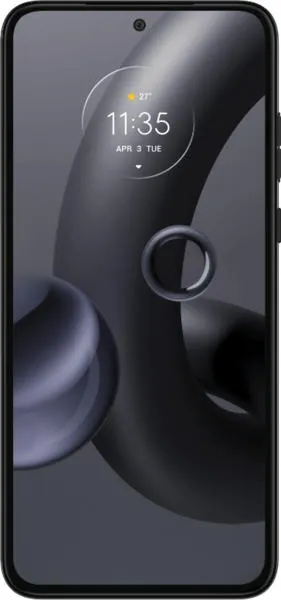
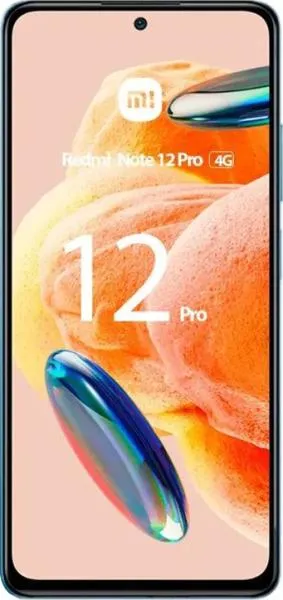
Motorola Edge 30 Neo vs. Xiaomi Redmi Note 12 Pro 4G: A Detailed Comparison
Choosing the right smartphone involves understanding not just the specs, but how those specs translate into real-world performance. Let's dissect the Motorola Edge 30 Neo and the Xiaomi Redmi Note 12 Pro 4G to see which phone comes out on top.
1. Specifications Breakdown
| Feature | Motorola Edge 30 Neo | Xiaomi Redmi Note 12 Pro 4G | Real-World Implications |
|---|---|---|---|
| Design | |||
| Dimensions (mm) | 152.9 x 71.2 x 7.8 | 164.2 x 76.1 x 8.1 | Neo is significantly more compact and pocketable. Pro 4G is larger, potentially less comfortable for one-handed use. |
| Weight (g) | 155 | 201.8 | Neo is noticeably lighter, reducing hand fatigue during extended use. |
| Display | |||
| Type | P-OLED, 120Hz | AMOLED, 120Hz, Dolby Vision | Both offer smooth scrolling and vibrant colors. Pro 4G's Dolby Vision support might provide a slight edge in HDR content consumption. |
| Size (inches) | 6.28 | 6.67 | Pro 4G boasts a larger screen for more immersive media viewing, while the Neo offers better one-handed usability. |
| Resolution | 1080 x 2400 | 1080 x 2400 | Identical resolution, resulting in similar sharpness on both devices despite the Pro 4G's larger screen size. |
| Performance | |||
| Chipset | Snapdragon 695 5G | Snapdragon 732G | Pro 4G's 732G chip offers slightly better CPU and GPU performance, translating to smoother gaming and faster multitasking in demanding apps. |
| RAM (GB) | 8 | 8 | Both offer ample RAM for smooth multitasking and app switching. |
| Camera | |||
| Main Camera (MP) | 64 | 108 | Pro 4G's 108MP sensor potentially captures more detail, but real-world performance depends on image processing. Neo's 64MP is no slouch either. |
| Video Recording | 1080p@120fps | 4K@30fps | Pro 4G can record in higher resolution, while the Neo offers higher frame rates for smoother slow-motion video. |
| Battery Life | |||
| Capacity (mAh) | 4020 | 5000 | Pro 4G's larger battery likely provides significantly longer usage time on a single charge. |
2. Key Insights
- Performance: The Redmi Note 12 Pro 4G edges out the Edge 30 Neo in raw processing power, thanks to the Snapdragon 732G. While not a massive difference, it will be noticeable in demanding games and heavy multitasking.
- Display: Both phones offer excellent displays with a 120Hz refresh rate. However, the Redmi Note 12 Pro 4G's AMOLED panel with Dolby Vision provides a slightly richer visual experience, especially when consuming HDR content. The Edge 30 Neo's smaller size makes it more comfortable for one-handed use.
- Camera: The Redmi Note 12 Pro 4G boasts a higher resolution main sensor (108MP vs. 64MP), offering potentially more detailed images. It also supports 4K video recording. However, megapixels aren't everything; image processing plays a crucial role. The Edge 30 Neo excels in slow-motion video recording with 120fps at 1080p.
- Battery: The Redmi Note 12 Pro 4G's significantly larger 5000mAh battery is a clear advantage for users who prioritize all-day battery life. The Edge 30 Neo's 4020mAh battery is respectable but may require more frequent charging.
- Size and Weight: The Edge 30 Neo is considerably smaller and lighter, making it a more pocketable and comfortable device for one-handed operation.
3. User Profiles and Recommendations
- Motorola Edge 30 Neo: Ideal for users who prioritize a compact and lightweight design, value 5G connectivity, and prefer a phone that's easy to handle. Its vibrant P-OLED display and capable camera make it a great all-around device.
- Xiaomi Redmi Note 12 Pro 4G: Best suited for users who demand long battery life, enjoy consuming multimedia content on a larger screen, and want a phone with a high-resolution camera. The added performance is a bonus for gamers and power users.
4. Buying Decision Framework
- Is 5G connectivity essential? If yes, the Edge 30 Neo is your only option here.
- How important is battery life? If all-day endurance is paramount, the Redmi Note 12 Pro 4G's larger battery is a significant advantage.
- Do you prioritize a compact design or a larger screen? The Edge 30 Neo is significantly smaller and lighter, while the Redmi Note 12 Pro 4G offers a more immersive viewing experience.
My Choice: The Motorola Edge 30 Neo
While the Redmi Note 12 Pro 4G boasts impressive specs on paper, I would personally choose the Motorola Edge 30 Neo. My priorities lie in a phone that is comfortable to carry and use one-handed. The Neo's compact form factor and lighter weight are major selling points for me. Additionally, living in a city with growing 5G infrastructure, having future-proof connectivity is essential. The slightly lower performance and smaller battery are trade-offs I'm willing to make for the significant gains in portability and 5G access. Ultimately, the Neo strikes a better balance between features, performance, and usability for my specific needs.
