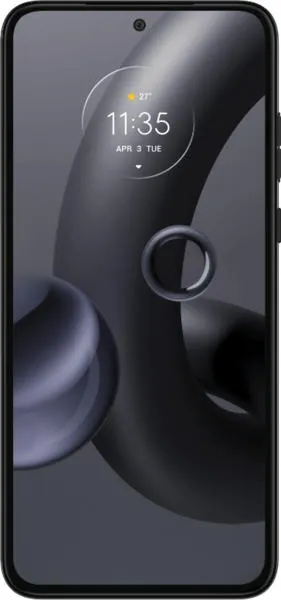
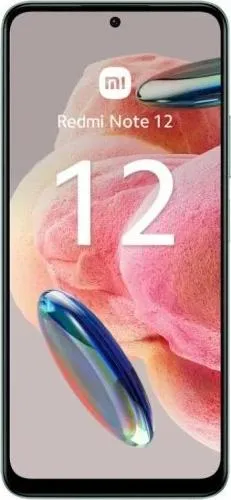
Motorola Edge 30 Neo vs. Xiaomi Redmi Note 12 4G: A Detailed Comparison
Choosing the right smartphone involves understanding how technical specifications translate into real-world experiences. Let's dissect the Motorola Edge 30 Neo and Xiaomi Redmi Note 12 4G to see which phone best fits your needs.
1. Specifications Breakdown
| Feature | Motorola Edge 30 Neo | Xiaomi Redmi Note 12 4G | Real-World Implications |
|---|---|---|---|
| Design | |||
| Dimensions (mm) | 152.9 x 71.2 x 7.8 | 165.7 x 76.0 x 7.9 | Edge 30 Neo is noticeably more compact and pocketable. Redmi Note 12 4G is larger, potentially less comfortable for one-handed use. |
| Weight (g) | 155 | 183.5 | Edge 30 Neo feels significantly lighter in hand, reducing fatigue during extended use. |
| Display | |||
| Type | P-OLED, 120Hz | AMOLED, 120Hz | Both offer smooth scrolling and animations. P-OLED generally offers deeper blacks but might be less bright outdoors. AMOLED can achieve higher peak brightness. |
| Size | 6.28" | 6.67" | Redmi Note 12 4G provides a larger screen for media consumption, but may be less manageable for one-handed use. |
| Resolution | 1080 x 2400 | 1080 x 2400 | Both have sharp displays with similar pixel density. The larger screen size on the Redmi Note 12 4G results in a slightly lower PPI, but the difference is negligible in daily use. |
| Performance | |||
| Chipset | Snapdragon 695 5G | Snapdragon 685 4G | Edge 30 Neo offers 5G connectivity and a slightly more powerful CPU/GPU for smoother gaming and faster app loading. Redmi Note 12 4G is limited to 4G and might show minor performance differences in demanding tasks. |
| RAM | 8GB | 4GB/6GB/8GB | 8GB RAM on both high-end variants ensures smooth multitasking. Lower RAM options on the Redmi Note 12 4G may lead to performance hiccups with heavy usage. |
| OS | Android 12 | Android 13 | Redmi Note 12 4G ships with a newer Android version out of the box, offering potential UI/UX improvements and longer software support. |
| Camera | |||
| Main Camera | 64MP | 48MP | Edge 30 Neo boasts a higher resolution main sensor, potentially capturing more detail in photos. Real-world image quality depends on factors beyond resolution, including image processing. |
| Selfie Camera | 32MP | 13MP | Edge 30 Neo offers a significantly higher resolution selfie camera. |
| Battery Life | |||
| Capacity | 4020 mAh | 5000 mAh | Redmi Note 12 4G has a significantly larger battery, likely providing longer usage time on a single charge. |
2. Key Insights
- Performance and Connectivity: The Edge 30 Neo's Snapdragon 695 with 5G offers a performance edge and future-proofing. The Redmi Note 12 4G's Snapdragon 685, while capable, lacks 5G.
- Portability vs. Screen Size: The Edge 30 Neo prioritizes compact design and one-handed usability. The Redmi Note 12 4G provides a larger display for immersive media but sacrifices portability.
- Battery Endurance: The Redmi Note 12 4G's 5000 mAh battery promises significantly longer battery life, a crucial factor for heavy users.
- Camera Prowess: Both phones offer capable cameras, but the Edge 30 Neo's higher resolution sensors, particularly the selfie camera, might appeal to photography enthusiasts.
3. User Profiles and Recommendations
- Edge 30 Neo: Ideal for users who prioritize a compact, lightweight phone with 5G connectivity, smooth performance, and a good camera. Suitable for those constantly on the go, using their phone for social media, web browsing, and casual gaming.
- Redmi Note 12 4G: Best suited for users seeking maximum battery life and a large display for media consumption. A good choice for those who prioritize long usage sessions without frequent charging and enjoy watching videos or playing games on their phones.
4. Buying Decision Framework
- Is 5G connectivity a must-have? If yes, the Edge 30 Neo is the clear winner.
- Do you prioritize portability or a larger screen? The Edge 30 Neo excels in portability, while the Redmi Note 12 4G boasts a larger display.
- How important is battery life? The Redmi Note 12 4G's larger battery offers significantly longer usage time.
My Choice: Motorola Edge 30 Neo
While the Redmi Note 12 4G's battery life is tempting, I'd choose the Motorola Edge 30 Neo. 5G future-proofing is crucial for me, and the performance difference, though subtle in everyday tasks, is noticeable in demanding applications and games. I also value the compact form factor and lighter weight for comfortable one-handed use. The superior camera system, especially the selfie camera, is another factor influencing my decision. While the battery capacity is smaller, I'm willing to compromise on battery life for the overall better performance, connectivity, and user experience the Edge 30 Neo offers. A portable charger can easily address any battery concerns.
