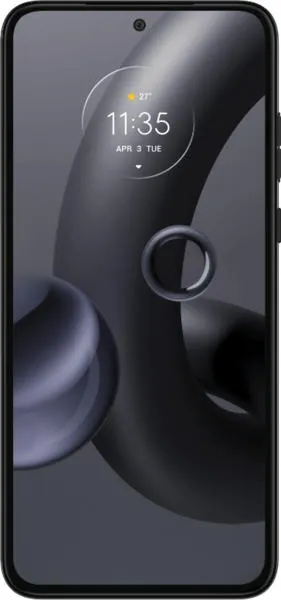
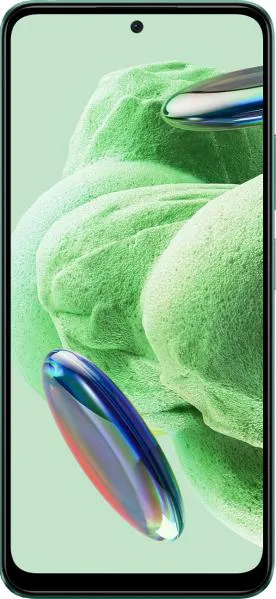
Motorola Edge 30 Neo vs. Xiaomi Redmi Note 12: A Detailed Comparison
Choosing the right smartphone involves understanding how technical specifications translate into real-world performance. Let's dissect the Motorola Edge 30 Neo and the Xiaomi Redmi Note 12 to see which phone emerges as the champion for various user needs.
1. Specifications Breakdown
| Feature | Motorola Edge 30 Neo | Xiaomi Redmi Note 12 | Real-World Implications |
|---|---|---|---|
| Design | |||
| Dimensions (mm) | 152.9 x 71.2 x 7.8 | 165.9 x 76.2 x 8 | Edge 30 Neo is significantly more compact and pocketable. Redmi Note 12 is larger, potentially less comfortable for one-handed use. |
| Weight (g) | 155 | 188 | Edge 30 Neo is noticeably lighter, reducing hand fatigue during extended use. |
| Display | |||
| Type | P-OLED, 120Hz | AMOLED, 120Hz | Both offer vibrant colors and smooth scrolling. P-OLED on the Edge 30 Neo might offer deeper blacks. |
| Size | 6.28" | 6.67" | Redmi Note 12 provides a larger screen for media consumption; Edge 30 Neo offers better one-handed usability. |
| Resolution | 1080 x 2400 | 1080 x 2400 | Both have sharp displays, but the smaller Edge 30 Neo results in slightly higher pixel density. |
| Performance | |||
| Chipset | Snapdragon 695 5G | Snapdragon 4 Gen 1 | Edge 30 Neo's Snapdragon 695 offers significantly better performance in demanding tasks and gaming. |
| CPU | Octa-core (2.2 GHz) | Octa-core (2.0 GHz) | Edge 30 Neo has a faster CPU, resulting in smoother multitasking and app loading. |
| GPU | Adreno 619 | Adreno 619 | While both use the same GPU, the Edge 30 Neo's superior CPU will likely lead to better gaming performance overall. |
| RAM | 8GB | 6GB/8GB | Both offer ample RAM for multitasking, but 8GB on the Edge 30 Neo provides more headroom. |
| Camera | |||
| Main Camera | 64MP | 48MP | Edge 30 Neo boasts a higher resolution main sensor, potentially capturing more detail. |
| Video Recording | 1080p@120fps | 1080p@30fps | Edge 30 Neo offers significantly better slow-motion video recording capabilities. |
| Battery Life | |||
| Capacity | 4020 mAh | 5000 mAh | Redmi Note 12 has a larger battery, potentially lasting longer on a single charge. |
2. Key Insights
The Motorola Edge 30 Neo prioritizes performance and portability. Its Snapdragon 695 chipset, coupled with a compact design, makes it a powerhouse for on-the-go productivity and entertainment. The higher resolution main camera and superior slow-motion video capabilities cater to content creators.
The Xiaomi Redmi Note 12, on the other hand, focuses on battery life and affordability. Its larger battery provides extended usage, while its lower price point makes it accessible to a wider audience. However, it compromises on processing power compared to the Edge 30 Neo.
3. User Profiles and Recommendations
Edge 30 Neo: Ideal for users who value a compact yet powerful device, prioritize performance for gaming or demanding apps, and enjoy capturing high-quality photos and videos.
Redmi Note 12: Suitable for users who prioritize long battery life, seek a large screen for media consumption, and are on a tighter budget. It's a solid choice for everyday tasks like browsing, social media, and casual photography.
4. Buying Decision Framework
Questions to Ask:
- What's your budget? The Redmi Note 12 offers a more budget-friendly option.
- Do you prioritize performance or battery life? The Edge 30 Neo excels in performance, while the Redmi Note 12 boasts longer battery life.
- Do you prefer a compact or larger phone? The Edge 30 Neo is significantly more pocketable.
Scenario-Based Recommendations:
- Heavy user, gamer, content creator: Motorola Edge 30 Neo
- Casual user, budget-conscious, long battery life needed: Xiaomi Redmi Note 12
My Choice: Motorola Edge 30 Neo
If I were choosing between these two, I'd opt for the Motorola Edge 30 Neo. While the Redmi Note 12 offers a tempting price and larger battery, I prioritize the significantly superior performance and more compact form factor of the Edge 30 Neo. The Snapdragon 695 provides a noticeable difference in day-to-day responsiveness and future-proofs the device better. The smaller size fits my preference for one-handed usability. As someone who values a smooth and efficient mobile experience, the performance gains outweigh the battery life advantage of the Redmi Note 12. I'm also willing to invest a bit more for the enhanced camera capabilities, especially the superior slow-motion video recording.
