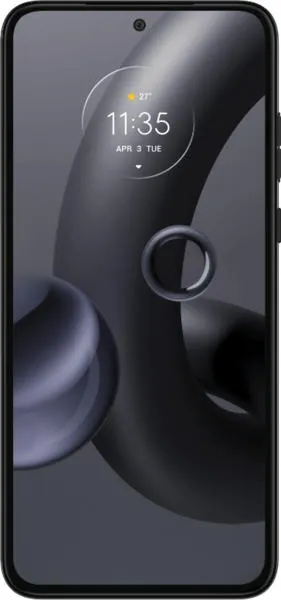
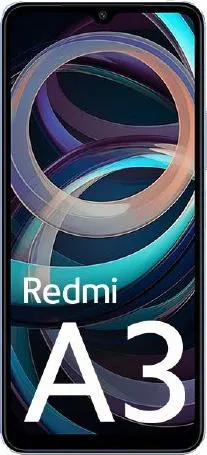
Let's dive into a comparative analysis of the Motorola Edge 30 Neo and the Xiaomi Redmi A3, dissecting their technical specifications and translating them into real-world implications for you.
1. Specifications Breakdown
| Feature | Motorola Edge 30 Neo | Xiaomi Redmi A3 | Real-World Implications |
|---|---|---|---|
| Design | |||
| Dimensions (mm) | 152.9 x 71.2 x 7.8 | 168.3 x 76.3 x 8.3 | Edge 30 Neo is significantly more compact and pocketable. Redmi A3 is larger and potentially bulkier. |
| Weight (g) | 155 | 193 | Edge 30 Neo is noticeably lighter, contributing to a more comfortable one-handed use. |
| Display | |||
| Type | P-OLED, 120Hz | IPS LCD, 90Hz | Edge 30 Neo offers deeper blacks, more vibrant colors, and smoother scrolling due to higher refresh rate and OLED technology. |
| Size (inches) | 6.28 | 6.71 | Redmi A3 has a larger screen, providing more immersive content consumption but might be less manageable for one-handed use. |
| Resolution (px) | 1080 x 2400 | 720 x 1650 | Edge 30 Neo boasts significantly sharper visuals due to higher resolution and pixel density. |
| Performance | |||
| Chipset | Snapdragon 695 5G | Helio G36 | Edge 30 Neo's Snapdragon chip offers significantly better performance, especially in demanding tasks and gaming, plus 5G connectivity. |
| CPU | Octa-core (2.2 GHz) | Octa-core (2.2 GHz) | While both have similar clock speeds, the underlying architecture of the Snapdragon 695 in the Edge 30 Neo is more efficient and powerful. |
| RAM (GB) | 8 | 4/6 | Edge 30 Neo offers more RAM, ensuring smoother multitasking and better performance with multiple apps open. |
| Camera | |||
| Main Camera (MP) | 64 | 8 | Edge 30 Neo's 64MP sensor promises significantly more detail and better low-light performance. Redmi A3's 8MP camera is basic. |
| Selfie Camera (MP) | 32 | 5 | Edge 30 Neo offers a much higher resolution selfie camera. |
| Battery Life | |||
| Capacity (mAh) | 4020 | 5000 | Redmi A3 has a larger battery capacity, potentially lasting longer on a single charge. However, actual battery life depends on usage patterns and optimization. |
| Other | |||
| OS | Android 12 (up to 15) | Android 14 | Edge 30 Neo benefits from longer software support, with updates guaranteed up to Android 15. Redmi A3 may or may not receive future updates. |
| NFC | Yes | Yes | Both phones support contactless payments and data transfer. |
| Price Range | Medium | Low | Redmi A3 is significantly cheaper. Edge 30 Neo commands a higher price due to its superior features. |
2. Key Insights
The Motorola Edge 30 Neo clearly outperforms the Redmi A3 in almost every aspect except battery capacity. The Edge 30 Neo boasts a superior display, a much more powerful processor, significantly better cameras, and faster charging. It also benefits from a more modern design and longer software update support. The Redmi A3's primary advantage is its lower price and larger battery.
3. User Profiles and Recommendations
Motorola Edge 30 Neo: This phone is ideal for users who prioritize performance, a high-quality display, a good camera, and a compact form factor. It's suitable for gaming, content creation, and demanding multitasking.
Xiaomi Redmi A3: This phone caters to budget-conscious users who primarily need a device for basic communication, web browsing, and light media consumption. Battery life is a key strength, making it suitable for users who require extended usage without frequent charging.
4. Buying Decision Framework
- What is your budget? If price is your primary concern, the Redmi A3 is the more affordable option. However, if you can stretch your budget, the Edge 30 Neo offers significantly better value for the price.
- What are your primary use cases? For demanding tasks like gaming or content creation, the Edge 30 Neo is a must. For basic usage like calls, texting, and web browsing, the Redmi A3 suffices.
- How important is camera quality? The Edge 30 Neo's camera system is far superior. If photography is important to you, the Edge 30 Neo is the clear winner. If you rarely use your camera beyond basic snapshots, the Redmi A3 might be acceptable.
My Choice: Motorola Edge 30 Neo
If I were choosing between these two phones, I'd opt for the Motorola Edge 30 Neo without hesitation. While the Redmi A3's lower price and larger battery are tempting, the Edge 30 Neo's superior performance, display, cameras, and overall user experience are far more compelling. I value a smooth, responsive phone with a great screen and a capable camera, and I'm willing to pay a bit more for those features. The longer software support also ensures that the Edge 30 Neo will remain relevant and secure for a longer period. The difference in battery life is likely mitigated by the Edge 30 Neo's faster charging capabilities. In the long run, the Edge 30 Neo represents a much better investment.
