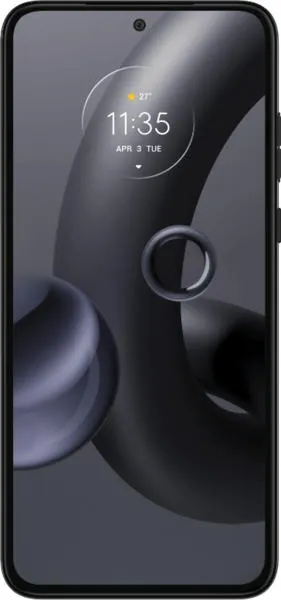
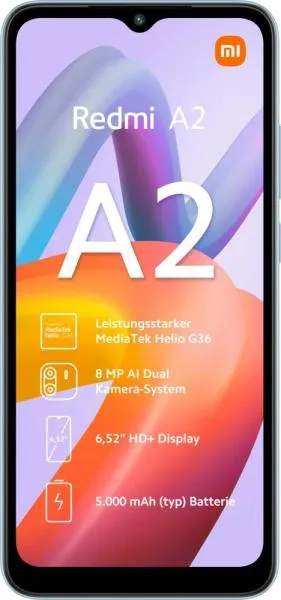
Motorola Edge 30 Neo vs. Xiaomi Redmi A2+: A Detailed Comparison
Let's dive into a head-to-head comparison of the Motorola Edge 30 Neo and the Xiaomi Redmi A2+, dissecting their specs and uncovering what they truly offer in real-world usage.
1. Specifications Breakdown
| Feature | Motorola Edge 30 Neo | Xiaomi Redmi A2+ | Real-World Implications | |
|---|---|---|---|---|
| Design | ||||
| Dimensions (mm) | 152.9 x 71.2 x 7.8 | 164.9 x 76.8 x 9.1 | Edge 30 Neo is significantly more compact and pocketable. | |
| Weight (g) | 155 | 192 | Edge 30 Neo feels lighter and less bulky in hand. | |
| Build Materials | Glass front, plastic frame | Plastic back, plastic frame | Edge 30 Neo offers a more premium feel with its glass front. | |
| Display | ||||
| Type | P-OLED, 120Hz | IPS LCD | Edge 30 Neo delivers richer blacks, vibrant colors, and smoother scrolling. | |
| Size | 6.28" | 6.52" | A2+ offers a slightly larger screen for media consumption. | |
| Resolution | 1080 x 2400 | 720 x 1600 | Edge 30 Neo boasts sharper visuals and clearer text. | |
| PPI Density | 419 | 269 | Edge 30 Neo's display is noticeably sharper. | |
| Performance | ||||
| Chipset | Snapdragon 695 5G | Helio G36 | Edge 30 Neo provides significantly better performance and 5G connectivity. | |
| CPU | Octa-core (2x2.2 GHz & 6x1.7 GHz) | Octa-core (4x2.2 GHz & 4x1.7 GHz) | Edge 30 Neo offers a slight edge in processing power due to its more efficient architecture. | |
| GPU | Adreno 619 | PowerVR GE8320 | Edge 30 Neo handles graphically demanding tasks much better. | |
| RAM | 8GB | 3GB | Edge 30 Neo enables smoother multitasking and app switching. | |
| Camera | ||||
| Rear Camera | 64MP + 13MP | 8MP + 0.3MP | Edge 30 Neo offers vastly superior image quality and versatility. | |
| Selfie Camera | 32MP | 5MP | Edge 30 Neo captures higher-resolution selfies. | |
| Battery Life | ||||
| Capacity | 4020 mAh | 5000 mAh | A2+ has a larger battery capacity, potentially lasting longer. | |
| Charging | 33W Fast charging | 10W | Edge 30 Neo charges significantly faster. | |
| Other | ||||
| NFC | Yes | No | Edge 30 Neo supports contactless payments and data transfer. | |
| OS | Android 12 (up to 15) | Android 12 | Edge 30 Neo offers longer software support. |
2. Key Insights
The Motorola Edge 30 Neo is the clear winner in terms of overall performance, display quality, camera capabilities, and charging speed. Its compact design and premium feel also add to its appeal. The 120Hz P-OLED display is a standout feature, offering a buttery smooth and visually immersive experience. The Snapdragon 695 chipset ensures smooth performance for most tasks, including gaming.
The Xiaomi Redmi A2+, while offering a larger battery and a lower price point, significantly compromises on performance, display, and camera quality. It's a budget-friendly device aimed at basic usage scenarios.
3. User Profiles and Recommendations
- Motorola Edge 30 Neo: Ideal for users who prioritize performance, a vibrant display, a good camera, and a compact form factor. This phone is suitable for gaming, media consumption, multitasking, and those seeking a stylish device.
- Xiaomi Redmi A2+: Best suited for users on a tight budget who primarily use their phones for calling, texting, basic browsing, and undemanding apps. It's a good option for a secondary phone or for those who prioritize long battery life above all else.
4. Buying Decision Framework
- What is your budget? If price is the primary concern, the Redmi A2+ is the more affordable option.
- What are your primary phone usage patterns? For demanding tasks, gaming, or media consumption, the Edge 30 Neo is a significantly better choice. For basic communication and light usage, the A2+ might suffice.
- Which features matter most to you? Prioritize the features that align with your needs. If display quality, performance, and camera are important, the Edge 30 Neo excels. If battery life is paramount, the A2+ has an advantage.
My Choice: I would choose the Motorola Edge 30 Neo without hesitation. While the Redmi A2+ has a larger battery, the significantly superior performance, stunning display, versatile camera, faster charging, and more compact form factor of the Edge 30 Neo make it a far more compelling device for my needs. The long-term software support and 5G connectivity are also crucial factors that solidify my decision. I value a smooth and enjoyable user experience, and the Edge 30 Neo delivers that in spades. The price difference is justifiable considering the substantial upgrade in overall quality and features.
