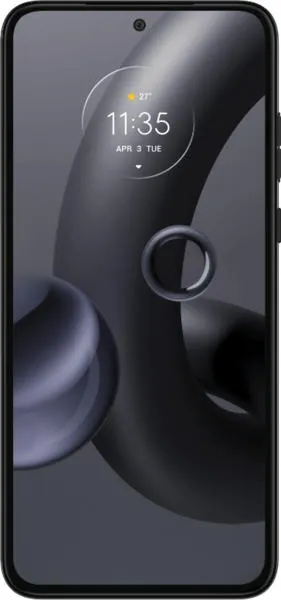
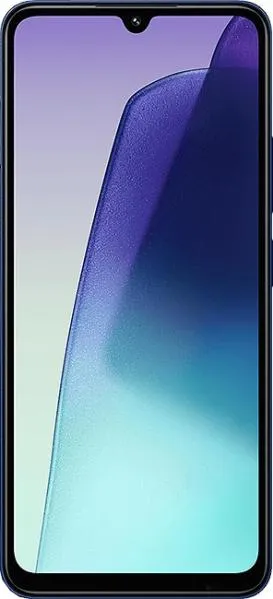
Let's dive into a comparative analysis of the Motorola Edge 30 Neo and the Xiaomi Redmi 14C, dissecting their specifications and uncovering what they truly offer users in the real world.
1. Specifications Breakdown
| Feature | Motorola Edge 30 Neo | Xiaomi Redmi 14C | Real-World Implications |
|---|---|---|---|
| Design | |||
| Dimensions (mm) | 152.9 x 71.2 x 7.8 | 171.9 x 77.8 x 8.2 | Neo is significantly more compact and pocketable. |
| Weight (g) | 155 | 211 | Neo is noticeably lighter, reducing hand fatigue. |
| Display | |||
| Type | P-OLED, 120Hz | IPS LCD, 120Hz | Neo offers deeper blacks, more vibrant colors, and better contrast. |
| Size | 6.28" | 6.88" | 14C provides a larger screen for media consumption but less portability. |
| Resolution | 1080 x 2400 | 720 x 1640 | Neo boasts much sharper visuals due to higher pixel density. |
| Performance | |||
| Chipset | Snapdragon 695 5G | Helio G81 Ultra | Neo's Snapdragon offers better overall performance and 5G connectivity. |
| CPU | Octa-core (2.2 GHz) | Octa-core (2.0 GHz) | Neo likely provides a smoother multitasking experience. |
| RAM | 8GB | 6/8GB(Variant Dependent) | Both offer ample RAM for everyday tasks, but configurations vary for 14C. |
| Camera | |||
| Main Camera | 64MP | 50MP | Neo's higher resolution suggests potentially more detailed photos. |
| Selfie Camera | 32MP | 13MP | Neo offers a significantly higher resolution selfie camera. |
| Battery Life | |||
| Capacity | 4020 mAh | 5160 mAh | 14C has a larger battery, likely resulting in longer battery life. |
| Charging | USB-C 3.1 | USB-C 2.0 | Neo supports faster charging speeds. |
| Other | |||
| OS | Android 12 (up to 15) | Android 14 | 14C ships with a newer Android version out of the box. |
| NFC | Yes | Yes | Both support contactless payments. |
2. Key Insights
The Motorola Edge 30 Neo shines with its superior display, compact design, and overall performance. The P-OLED screen with a 120Hz refresh rate delivers vibrant visuals and smooth scrolling, while the Snapdragon 695 provides reliable performance for everyday tasks and gaming. Its compact form factor makes it comfortable for one-handed use.
The Xiaomi Redmi 14C, on the other hand, prioritizes battery life with its massive 5160 mAh capacity. It also boasts a larger display, making it ideal for media consumption. However, it compromises on display quality, processing power, and charging speed. The lower resolution screen is noticeable, and the Helio G81 might struggle with demanding tasks compared to the Snapdragon 695. The newer Android version on the 14C offers potential software advantages.
3. User Profiles and Recommendations
Motorola Edge 30 Neo: Ideal for users who value a premium display, compact design, smooth performance, and fast charging. This phone excels in everyday tasks, moderate gaming, and content consumption on the go.
Xiaomi Redmi 14C: Best suited for users who prioritize long battery life and a large screen for media consumption. This phone is a good option for budget-conscious users who primarily use their phones for basic tasks, browsing, and watching videos.
4. Buying Decision Framework
Questions to Consider:
- Is portability and a premium display a priority? If yes, the Edge 30 Neo is the clear winner.
- Is battery life the most crucial factor? If yes, the Redmi 14C is the better choice.
- What is your budget and performance expectation? The Neo offers a performance advantage, but the 14C may provide better value depending on the specific configuration and price.
Scenario-Based Recommendations:
- Heavy user who values performance and portability: Motorola Edge 30 Neo
- Light user who prioritizes battery life and large screen: Xiaomi Redmi 14C
- Budget-conscious user who needs a balance of features: Consider the Redmi 14C in a higher RAM configuration if the price is significantly lower than the Neo.
My Choice: Motorola Edge 30 Neo
If I were choosing between these two, I'd go for the Motorola Edge 30 Neo. The superior display quality, more compact design, and overall performance of the Snapdragon 695 are compelling factors for me. While the Redmi 14C offers a larger battery, I personally value a smoother user experience and a more pocketable device. The faster charging on the Neo is also a significant advantage in my fast-paced life. The price difference, depending on the market and specific configuration, is usually justifiable for the noticeable upgrade in daily usability the Neo offers. A vibrant, responsive phone that fits comfortably in my pocket outweighs the need for exceptionally long battery life in my use case.
