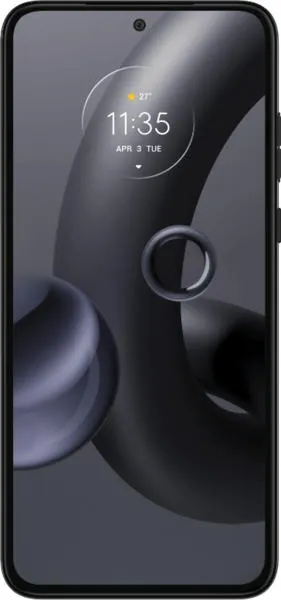
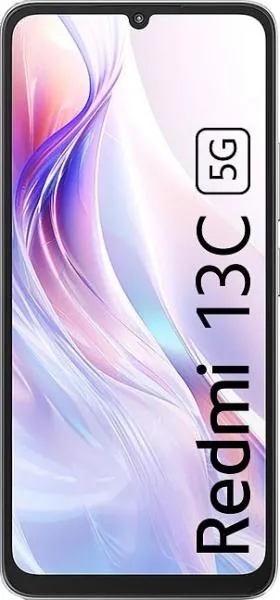
Motorola Edge 30 Neo vs. Xiaomi Redmi 13C 5G: A Detailed Comparison
Let's dive into a head-to-head comparison of the Motorola Edge 30 Neo and the Xiaomi Redmi 13C 5G, dissecting their specifications and uncovering what they truly offer in terms of real-world performance.
1. Specifications Breakdown
| Feature | Motorola Edge 30 Neo | Xiaomi Redmi 13C 5G | Real-World Implications |
|---|---|---|---|
| Design | |||
| Dimensions | 152.9 x 71.2 x 7.8 mm | 168 x 78 x 8.1 mm | Edge 30 Neo is significantly more compact and pocketable. |
| Weight | 155g | 192g | Edge 30 Neo feels lighter and less fatiguing for extended use. |
| Build Quality | N/A | N/A | Build quality can significantly impact durability; info lacking here. |
| Display | |||
| Display Type | P-OLED, 120Hz | IPS LCD, 90Hz | Edge 30 Neo: Deeper blacks, vibrant colors, smoother scrolling. |
| Resolution | 1080 x 2400 | 720 x 1600 | Edge 30 Neo: Sharper, more detailed visuals. |
| Size | 6.28" | 6.74" | Redmi 13C: Larger screen for media consumption, but less sharp. |
| Performance | |||
| Chipset | Snapdragon 695 5G | Dimensity 6100+ | Comparable performance, but benchmarks needed for definitive answer. |
| RAM | 8GB | 6GB | Edge 30 Neo: More RAM for smoother multitasking. |
| Storage | 128/256GB | 128GB | Edge 30 Neo offers a 256GB option for greater storage capacity. |
| Camera | |||
| Main Camera | 64MP, f/1.8 | 50MP, f/1.8 | Megapixels don't tell the whole story; image quality testing needed. |
| Selfie Camera | 32MP | 5MP | Edge 30 Neo: Significantly higher resolution selfie camera. |
| Video Recording | 1080p@120fps | 1080p@30fps | Edge 30 Neo: Smoother slow-motion video capture. |
| Battery Life | |||
| Capacity | 4020 mAh | 5000 mAh | Redmi 13C: Larger battery likely translates to longer battery life. |
| Charging Speed | N/A | N/A | Charging speed significantly impacts usability; info lacking here. |
| Other | |||
| NFC | Yes | No | Edge 30 Neo: Supports contactless payments and data transfer. |
| Operating System | Android 12 (up to 15) | Android 13 | Edge 30 Neo: Longer software update support guaranteed. |
2. Key Insights
The Motorola Edge 30 Neo shines with its compact design, premium P-OLED display with a 120Hz refresh rate, more RAM, a higher-resolution selfie camera, and NFC functionality. It promises a smoother, more visually engaging experience, especially for users who prioritize one-handed usability and vibrant multimedia consumption.
The Xiaomi Redmi 13C 5G, on the other hand, boasts a larger battery and a newer version of Android out of the box. It caters to users who prioritize battery life and a large screen for media consumption, potentially compromising on portability and display quality.
3. User Profiles and Recommendations
Edge 30 Neo: Ideal for users who value a compact, premium-feeling phone with a great display, smooth performance, and NFC for contactless payments. Excellent for social media enthusiasts, mobile gamers who prioritize responsiveness, and those who appreciate a pocketable device.
Redmi 13C 5G: Best suited for users seeking maximum battery life and a large display for consuming video content. A good choice for budget-conscious users who prioritize long usage times over top-tier performance or advanced features.
4. Buying Decision Framework
- What screen size and quality do you prefer? Compact and vibrant (Edge 30 Neo) or large and functional (Redmi 13C)?
- How important is battery life to you? If it's paramount, the Redmi 13C is likely the better choice.
- Do you need NFC for contactless payments? This is a key differentiator, as the Edge 30 Neo offers it while the Redmi 13C does not.
My Choice: The Motorola Edge 30 Neo
While the Redmi 13C 5G offers a larger battery, the Edge 30 Neo's combination of a superior display, smoother performance thanks to the higher refresh rate and more RAM, more compact form factor, NFC functionality, and longer software support makes it the more compelling device for me. I value the responsiveness and visual fidelity of a high-quality display, and the convenience of NFC is essential for my daily workflow. The slightly smaller battery is a trade-off I'm willing to make for the overall enhanced user experience. The Edge 30 Neo strikes a better balance between features, performance, and design, making it a more versatile and future-proof choice in my opinion.
