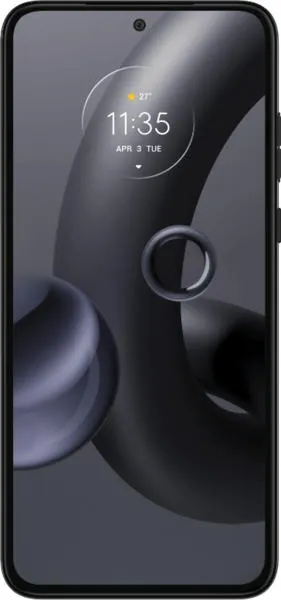
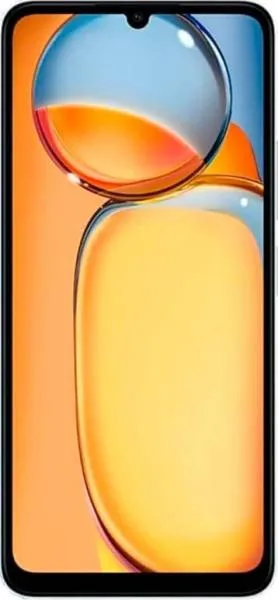
Motorola Edge 30 Neo vs. Xiaomi Redmi 13C: A Detailed Comparison
Let's dive into a head-to-head comparison of the Motorola Edge 30 Neo and the Xiaomi Redmi 13C, dissecting their specs and uncovering what they truly offer in the real world.
1. Specifications Breakdown
| Feature | Motorola Edge 30 Neo | Xiaomi Redmi 13C | Real-World Implications |
|---|---|---|---|
| Design | |||
| Dimensions (mm) | 152.9 x 71.2 x 7.8 | 168 x 78 x 8.1 | Edge 30 Neo is significantly more compact and pocketable. Redmi 13C is larger, potentially less comfortable for one-handed use. |
| Weight (g) | 155 | 192 | Edge 30 Neo is noticeably lighter, reducing hand fatigue during extended use. |
| Build Materials | Glass front, plastic frame | Plastic | Edge 30 Neo offers a more premium feel. Redmi 13C prioritizes durability with its robust plastic construction. |
| Display | |||
| Type | P-OLED | IPS LCD | Edge 30 Neo delivers deeper blacks, more vibrant colors, and better power efficiency. Redmi 13C offers wider viewing angles. |
| Size | 6.28" | 6.74" | Redmi 13C provides a larger screen for media consumption. Edge 30 Neo is more compact for one-handed use. |
| Resolution | 1080 x 2400 | 720 x 1600 | Edge 30 Neo boasts significantly sharper visuals due to higher pixel density (419 ppi vs. 260 ppi). |
| Refresh Rate | 120Hz | 90Hz | Edge 30 Neo offers smoother scrolling and animations, enhancing the overall user experience. |
| Performance | |||
| Chipset | Snapdragon 695 5G | Helio G85 | Both offer comparable performance for everyday tasks, but Snapdragon 695 generally edges out in benchmarks and GPU performance. |
| RAM | 8GB | 6/8GB | 8GB RAM on both ensures smooth multitasking. |
| Storage | 128/256GB | 128/256GB | Ample storage options on both devices. |
| Camera | |||
| Main Camera | 64MP (OV64B) | 50MP (S5KJN1) | Both sensors are capable, but the OV64B in the Edge 30 Neo generally produces better image quality in various lighting conditions. |
| Ultrawide | 13MP | N/A | Edge 30 Neo offers ultrawide photography for capturing broader scenes. |
| Selfie Camera | 32MP | 8MP | Edge 30 Neo boasts a significantly higher resolution selfie camera for sharper self-portraits. |
| Battery Life | |||
| Capacity | 4020 mAh | 5000 mAh | Redmi 13C has a larger battery capacity, potentially lasting longer on a single charge. Edge 30 Neo benefits from a more efficient OLED display |
| Charging | 33W | 18W | Edge 30 Neo supports significantly faster charging, minimizing downtime. |
2. Key Insights
- Performance: While benchmarks might show slight differences, both phones handle day-to-day tasks with ease. The Edge 30 Neo's advantage lies in its more powerful GPU, making it slightly better for gaming.
- Display: The Edge 30 Neo's P-OLED display is the clear winner here. The higher resolution, vibrant colors, and smoother refresh rate provide a far superior visual experience. The Redmi 13C's larger display might appeal to some, but the lower resolution is noticeable.
- Camera: The Edge 30 Neo's camera system is more versatile and generally produces better quality images, especially in low light. The inclusion of an ultrawide lens adds significant creative flexibility.
- Battery: The Redmi 13C boasts a larger battery, translating to potentially longer battery life. However, the Edge 30 Neo's OLED display consumes less power, potentially offsetting the difference. The Edge 30 Neo's faster charging is a definite advantage.
3. User Profiles and Recommendations
- Motorola Edge 30 Neo: Ideal for users who prioritize a premium design, a vibrant display, a capable camera, and fast charging. Its compact size also makes it great for one-handed use.
- Xiaomi Redmi 13C: Best suited for budget-conscious users who prioritize battery life and a large screen above all else. It's a solid choice for basic tasks, media consumption, and casual gaming.
4. Buying Decision Framework
- What matters most? Premium display and camera, compact design, or long battery life?
- What's your budget? The Edge 30 Neo sits in a higher price bracket.
- What's your usage pattern? Heavy media consumption, gaming, or everyday tasks?
My Choice: Motorola Edge 30 Neo
If I were choosing between these two, I'd go with the Motorola Edge 30 Neo. While the Redmi 13C offers a larger battery and a lower price, the Edge 30 Neo's superior display, more versatile camera system, faster charging, and more compact form factor are compelling advantages that align better with my priorities. The difference in user experience offered by the P-OLED display alone is significant. I value the smoother performance, richer colors, and deeper blacks for everyday use and media consumption. The improved camera system and faster charging are icing on the cake. While the price difference exists, the overall package offered by the Edge 30 Neo justifies the premium, making it a worthwhile investment in my opinion.
