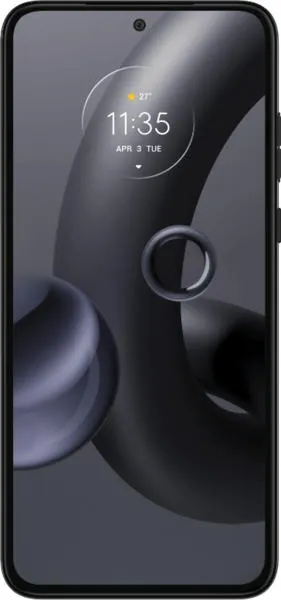
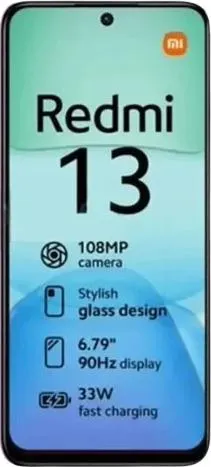
Motorola Edge 30 Neo vs. Xiaomi Redmi 13: A Detailed Comparison
Let's dive into a head-to-head comparison of the Motorola Edge 30 Neo and the Xiaomi Redmi 13, dissecting their specs and uncovering what they mean for you, the user.
1. Specifications Breakdown
| Feature | Motorola Edge 30 Neo | Xiaomi Redmi 13 | Real-World Implications |
|---|---|---|---|
| Design | |||
| Dimensions (mm) | 152.9 x 71.2 x 7.8 | 168.6 x 76.3 x 8.3 | Neo is significantly more compact, easier for one-handed use. |
| Weight (g) | 155 | 205 | Neo is noticeably lighter, more comfortable for extended use. |
| Display | |||
| Type | P-OLED, 120Hz | IPS LCD, 90Hz | Neo offers deeper blacks, more vibrant colors, smoother scrolling. |
| Size | 6.28" | 6.79" | Redmi 13 provides a larger screen for media consumption. |
| Resolution | 1080 x 2400 | 1080 x 2460 | Similar sharpness, Redmi 13 slightly taller due to aspect ratio. |
| Performance | |||
| Chipset | Snapdragon 695 5G | Helio G91 Ultra | Both offer decent mid-range performance, Snapdragon slightly better on benchmarks and in sustained performance. |
| CPU | Octa-core (2.2 GHz) | Octa-core (2.0 GHz) | Comparable performance for everyday tasks. |
| RAM | 8GB | 8GB (up to) | Sufficient for multitasking and smooth app switching. |
| Camera | |||
| Main Camera | 64MP, f/1.8 | 108MP, f/1.8 | Redmi 13 boasts higher resolution, potentially more detail. |
| Selfie Camera | 32MP | 13MP | Neo has a significantly higher resolution selfie camera. |
| Battery Life | |||
| Capacity | 4020 mAh | 5030 mAh | Redmi 13 has a substantially larger battery. |
| Other | |||
| OS | Android 12 (up to 15) | Android 14 | Neo has older initial software but guaranteed longer updates |
| Price Range | Medium | Low | Redmi 13 offers a more budget-friendly option. |
2. Key Insights
The Motorola Edge 30 Neo shines with its compact and lightweight design, making it incredibly pocketable and comfortable to hold. The 120Hz P-OLED display is a visual treat, offering vibrant colors and smooth scrolling. While its Snapdragon 695 isn't the most powerful chip, it's more than capable for everyday tasks.
The Xiaomi Redmi 13, on the other hand, prioritizes a larger display and a massive battery. The 6.79" screen is ideal for media consumption, and the 5030 mAh battery promises all-day endurance. The Helio G91 is no slouch in the performance department, but it may not be as power efficient as the Snapdragon. The 108MP main camera is enticing, but real-world image quality will depend on factors beyond resolution.
3. User Profiles and Recommendations
Edge 30 Neo: Ideal for users who value a compact, stylish phone with a premium display and smooth performance. Perfect for one-handed use, social media enthusiasts, and those who prioritize portability.
Redmi 13: Best suited for users who prioritize battery life and a large screen for media consumption. A great choice for budget-conscious buyers, gamers, and those who stream a lot of video.
4. Buying Decision Framework
- What's your budget? The Redmi 13 is the clear winner for budget-conscious buyers.
- Do you prioritize portability or screen size? Compact and lightweight? Choose the Neo. Big screen for media? Redmi 13.
- How important is camera quality? Both phones offer decent cameras, but the Redmi 13's 108MP sensor might be tempting for photography enthusiasts, though real world performance should be further evaluated.
My Choice: Motorola Edge 30 Neo
While the Redmi 13 offers compelling value, I'd personally choose the Motorola Edge 30 Neo. Its compact form factor, premium OLED display, and overall refined experience outweigh the Redmi 13's advantages in battery size and price for my personal preferences. I value one-handed usability and a visually stunning display, and the Neo delivers on both fronts. The guaranteed Android updates also give me peace of mind regarding long-term software support. While the Redmi 13's larger battery is tempting, I'm willing to sacrifice some battery life for a more pocketable and enjoyable everyday experience.
