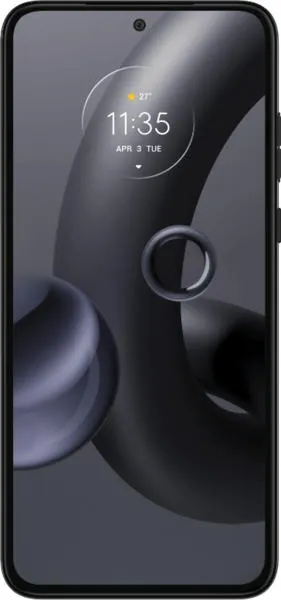
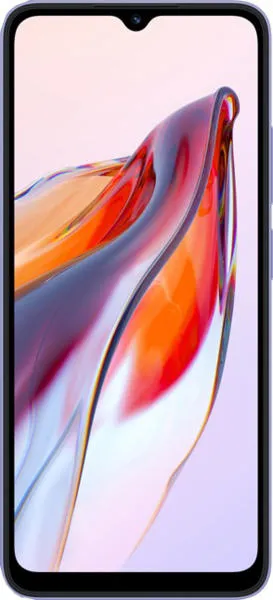
Motorola Edge 30 Neo vs. Xiaomi Redmi 12C: A Detailed Comparison
Let's dive into a head-to-head comparison of the Motorola Edge 30 Neo and the Xiaomi Redmi 12C, dissecting their specs and uncovering what they truly offer in real-world usage.
1. Specifications Breakdown
| Feature | Motorola Edge 30 Neo | Xiaomi Redmi 12C | Real-World Implications |
|---|---|---|---|
| Design | |||
| Dimensions (mm) | 152.9 x 71.2 x 7.8 | 168.8 x 76.4 x 8.8 | Edge 30 Neo is significantly more compact and pocketable. Redmi 12C is larger, potentially less comfortable for one-handed use. |
| Weight (g) | 155 | 192 | Edge 30 Neo is noticeably lighter, reducing hand fatigue during extended use. |
| Build Materials | Glass front, plastic frame | Plastic back, plastic frame | Edge 30 Neo offers a more premium feel with its glass front; Redmi 12C prioritizes durability with an all-plastic construction. |
| Display | |||
| Display Type | P-OLED, 120Hz | IPS LCD | Edge 30 Neo delivers vibrant colors, deeper blacks, and smoother scrolling thanks to the 120Hz refresh rate. Redmi 12C's display is less responsive and may show washed-out colors. |
| Display Size | 6.28" | 6.71" | Redmi 12C offers a larger screen for media consumption; Edge 30 Neo provides a more manageable size. |
| Resolution | 1080 x 2400 | 720 x 1650 | Edge 30 Neo boasts significantly sharper visuals due to higher pixel density (419 ppi vs. 268 ppi). |
| Performance | |||
| Chipset | Snapdragon 695 5G | Helio G85 | Edge 30 Neo offers better overall performance and 5G connectivity. Redmi 12C provides decent performance for everyday tasks. |
| CPU | Octa-core (2x2.2 GHz & 6x1.7 GHz) | Octa-core (2x2.0 GHz & 6x1.8 GHz) | Edge 30 Neo's slightly faster CPU clocks contribute to smoother multitasking. |
| RAM | 8GB | 3GB/4GB/6GB | Edge 30 Neo's 8GB RAM ensures seamless multitasking and app switching. Redmi 12C's RAM varies; lower configurations might experience performance limitations. |
| Camera | |||
| Main Camera | 64MP, f/1.8 | 50MP, f/1.8 | Both offer capable main cameras; real-world image quality will depend on factors beyond resolution. |
| Selfie Camera | 32MP | 5MP | Edge 30 Neo's significantly higher resolution selfie camera promises superior image quality for video calls and self-portraits. |
| Battery Life | |||
| Battery Capacity | 4020 mAh | 5000 mAh | Redmi 12C's larger battery likely translates to longer usage time on a single charge. Edge 30 Neo may require more frequent charging. |
| Charging | Fast charging | Standard charging | The Edge 30 Neo will likely charge much faster. |
2. Key Insights
The Motorola Edge 30 Neo shines with its compact design, vibrant 120Hz P-OLED display, superior performance thanks to the Snapdragon 695 and 8GB of RAM, and a high-resolution selfie camera. It's clearly positioned as a more premium mid-range device.
The Xiaomi Redmi 12C, on the other hand, prioritizes affordability and long battery life. While its performance is adequate for everyday tasks, it compromises on display quality, processing power, and camera capabilities compared to the Edge 30 Neo.
3. User Profiles and Recommendations
Edge 30 Neo: Ideal for users who value a compact, stylish phone with a smooth display, excellent performance, and good cameras. Perfect for social media enthusiasts, mobile gamers (casual), and those who prioritize a premium feel.
Redmi 12C: Best suited for budget-conscious users who prioritize long battery life and reliable performance for basic tasks like calling, texting, and browsing. A solid choice for students or as a secondary device. A great value phone for the average user.
4. Buying Decision Framework
- What is your budget? The Redmi 12C is significantly cheaper, making it a compelling option for budget-constrained buyers.
- What are your performance expectations? For demanding tasks and gaming, the Edge 30 Neo's superior processor and RAM are essential. If your needs are basic, the Redmi 12C is more than adequate.
- How important is display quality? The Edge 30 Neo's OLED display provides a far superior visual experience compared to the Redmi 12C's LCD.
My Choice: Motorola Edge 30 Neo
While the Redmi 12C offers incredible value for its price, I would choose the Motorola Edge 30 Neo. The smoother, more vibrant display, the significantly faster performance, the sleeker design, and the future-proof 5G connectivity are compelling advantages that outweigh the Redmi 12C's longer battery life for my personal needs. I value a responsive, enjoyable user experience, and the Edge 30 Neo delivers precisely that. I am willing to sacrifice some battery life for a significant bump in performance and overall user experience. The superior camera system in the Edge 30 Neo is also a deciding factor, as I frequently use my phone for photography and video recording.
