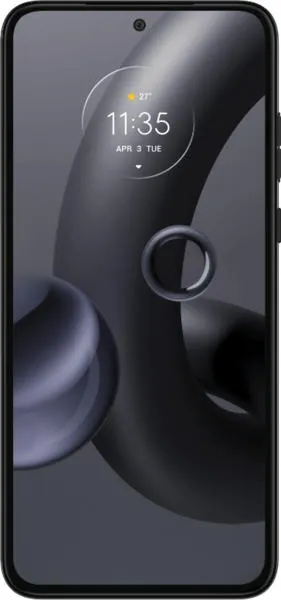
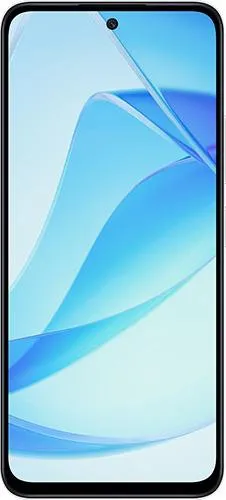
Motorola Edge 30 Neo vs. Xiaomi Redmi 12 5G: A Detailed Comparison
Hello, fellow tech enthusiasts! Today, we're diving deep into a comparative analysis of the Motorola Edge 30 Neo and the Xiaomi Redmi 12 5G. Both phones occupy the mid-range price segment, but their distinct specifications cater to different user preferences. Let's dissect the details and uncover which device reigns supreme.
1. Specifications Breakdown
| Feature | Motorola Edge 30 Neo | Xiaomi Redmi 12 5G | Real-World Implications |
|---|---|---|---|
| Design | |||
| Dimensions (mm) | 152.9 x 71.2 x 7.8 | 168.6 x 76.3 x 8.2 | Edge 30 Neo is significantly more compact and pocketable. Redmi 12 5G is larger. |
| Weight (g) | 155 | 199 | Edge 30 Neo is noticeably lighter, reducing hand fatigue. |
| Build Materials | Glass front/back | Glass front, plastic back | Edge 30 Neo feels more premium due to the glass back. |
| Display | |||
| Display Type | P-OLED, 120Hz | IPS LCD, 90Hz | Edge 30 Neo offers deeper blacks, vibrant colors, and smoother animations. |
| Size (inches) | 6.28 | 6.79 | Redmi 12 5G provides a larger screen for media consumption. |
| Resolution | 1080 x 2400 | 1080 x 2460 | Comparable sharpness; Redmi 12 5G slightly denser due to larger size. |
| Performance | |||
| Chipset | Snapdragon 695 5G | Snapdragon 4 Gen 2 | Edge 30 Neo offers significantly better CPU and GPU performance. |
| RAM (GB) | 8 | 6/8 | Edge 30 Neo's 8GB RAM ensures smooth multitasking. Redmi offers different tiers. |
| Camera | |||
| Main Camera (MP) | 64 | 50 | Edge 30 Neo boasts a higher resolution main sensor, potentially better detail. |
| Selfie Camera (MP) | 32 | 8 | Edge 30 Neo has a much higher resolution front camera for superior selfies. |
| Video Recording | 1080p@120fps | 1080p@30fps | Edge 30 Neo supports higher frame rate video recording for smoother slow-mo. |
| Battery Life | |||
| Capacity (mAh) | 4020 | 5000 | Redmi 12 5G has a larger battery capacity, potentially longer battery life. |
| Other | |||
| NFC | Yes | No | Edge 30 Neo supports contactless payments and data transfer. |
| OS | Android 12 (up to 15) | Android 13 (up to 14) | Both run Android; Edge 30 Neo potentially has longer software support timeline |
2. Key Insights
The Motorola Edge 30 Neo shines with its superior display, significantly faster performance thanks to the Snapdragon 695, and a more premium design. The 120Hz refresh rate makes scrolling and animations incredibly smooth. Its compact form factor is a major plus for one-handed use. However, the smaller battery might be a concern for heavy users.
The Xiaomi Redmi 12 5G, while offering a larger battery and screen, compromises on processing power and display quality. Its Snapdragon 4 Gen 2 is noticeably less powerful than the Edge 30 Neo's chip. The lack of NFC is a drawback for those reliant on contactless payments.
3. User Profiles and Recommendations
Edge 30 Neo: Ideal for users prioritizing performance, a vibrant display, compact design, and NFC functionality. Gamers, multitaskers, and content creators will appreciate its responsiveness and smooth user experience.
Redmi 12 5G: Suitable for users primarily focused on battery life and a large screen for media consumption. Casual users who prioritize affordability and long usage times over raw performance will find this a decent option.
4. Buying Decision Framework
- Is performance a priority? If yes, the Edge 30 Neo's superior processor and higher refresh rate display will provide a significantly better experience.
- How important is battery life? The Redmi 12 5G's larger battery likely lasts longer, but the Edge 30 Neo supports faster charging.
- Do you need NFC? If contactless payments are essential, the Edge 30 Neo is the only option.
My Choice: Motorola Edge 30 Neo
If I were choosing between these two, I'd go with the Motorola Edge 30 Neo. The performance difference between the Snapdragon 695 and 4 Gen 2 is substantial, and I value a smooth, responsive user experience. The OLED display's vibrant colors and 120Hz refresh rate are also significant draws. While the Redmi 12 5G boasts a larger battery, I find that the Edge 30 Neo's faster charging and overall more premium feel outweigh this advantage. The inclusion of NFC is crucial for my daily use, solidifying the Edge 30 Neo as the clear winner for my needs. I'm willing to sacrifice a bit of battery life for the significant gains in performance, display quality, and overall user experience. Plus, the more compact form factor fits my lifestyle better.
