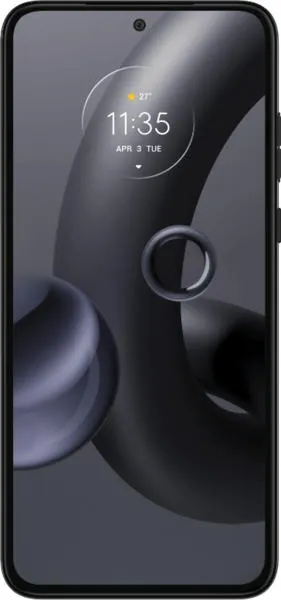
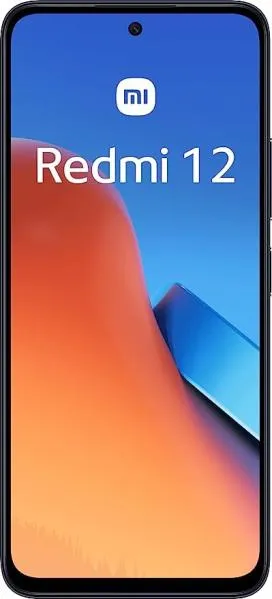
Motorola Edge 30 Neo vs. Xiaomi Redmi 12: A Deep Dive
Let's dissect the Motorola Edge 30 Neo and the Xiaomi Redmi 12, going beyond the spec sheet to understand what these phones offer in the real world.
1. Specifications Breakdown
| Feature | Motorola Edge 30 Neo | Xiaomi Redmi 12 | Real-World Implications |
|---|---|---|---|
| Design | |||
| Dimensions (mm) | 152.9 x 71.2 x 7.8 | 168.6 x 76.3 x 8.2 | Neo is significantly more compact and pocketable. Redmi 12 is larger, potentially less comfortable for one-handed use. |
| Weight (g) | 155 | 198.5 | Neo is noticeably lighter, reducing hand fatigue. |
| Build Materials | N/A | N/A | Build quality impacts durability and premium feel; information lacking here. |
| Display | |||
| Display Type | P-OLED, 120Hz | IPS LCD, 90Hz | Neo's OLED offers deeper blacks, vibrant colors, and potentially better battery efficiency in dark mode. Redmi 12's LCD might be brighter outdoors. |
| Size (inches) | 6.28 | 6.79 | Redmi 12 provides a larger screen for media consumption, but can be less manageable. |
| Resolution | 1080 x 2400 | 1080 x 2460 | Similar sharpness despite the size difference. |
| Refresh Rate | 120Hz | 90Hz | Neo offers smoother scrolling and animations. |
| Performance | |||
| Chipset | Snapdragon 695 5G | Helio G88 | Neo's Snapdragon 695 generally offers better performance and 5G connectivity. Helio G88 is more budget-oriented. |
| CPU | Octa-core (2x2.2 GHz & 6x1.7 GHz) | Octa-core (2x2.0 GHz & 6x1.8 GHz) | Neo likely provides a slight edge in processing power for demanding tasks. |
| GPU | Adreno 619 | Mali-G52 MC2 | Neo's GPU generally delivers superior gaming performance. |
| RAM | 8GB | 8GB | Both offer ample RAM for multitasking. |
| Camera | |||
| Main Camera | 64MP, f/1.8 | 50MP, f/1.8 | Megapixel count isn't everything; image quality depends on sensor size, processing, and other factors. More details on sensor quality are needed for a comprehensive comparison. |
| Ultrawide | 13MP | 8MP | Neo offers a higher resolution ultrawide lens. |
| Selfie Camera | 32MP | 8MP | Neo boasts a significantly higher resolution selfie camera. |
| Battery Life | |||
| Capacity | 4020 mAh | 5000 mAh | Redmi 12 has a larger battery, likely translating to longer usage time. However, real-world battery life depends on usage patterns and software optimization. |
2. Key Insights
- Performance: The Motorola Edge 30 Neo, powered by the Snapdragon 695, offers a clear performance advantage, especially for gaming and demanding applications. Its 5G capabilities also future-proof it.
- Display: While the Redmi 12 boasts a larger display, the Neo's OLED technology delivers richer visuals with deeper blacks and punchier colors. The 120Hz refresh rate on the Neo contributes to a more fluid user experience.
- Portability: The Edge 30 Neo is considerably smaller and lighter, making it more comfortable for one-handed use and pocket portability.
- Camera: While megapixel counts differ, a definitive assessment requires deeper analysis of sensor quality and image processing. The Neo's higher-resolution selfie camera suggests a potential advantage for selfie enthusiasts.
- Battery: The Redmi 12's larger 5000mAh battery likely provides longer endurance, but real-world battery life depends on various factors.
3. User Profiles and Recommendations
- Motorola Edge 30 Neo: Best suited for users who prioritize performance, a compact form factor, a vibrant display, and 5G connectivity. Ideal for gaming, multitasking, and content consumption on the go.
- Xiaomi Redmi 12: A good choice for budget-conscious users who value a large screen, long battery life, and basic functionality. Suitable for casual browsing, media consumption, and less demanding tasks.
4. Buying Decision Framework
- Do you prioritize performance and a premium display or battery life and affordability? If performance and display are paramount, the Neo is the clear winner. If battery life and budget are primary concerns, the Redmi 12 is a viable option.
- How important is portability and one-handed use? The Neo's compact design makes it significantly easier to handle and carry.
- Do you need 5G connectivity? The Neo offers 5G, while the Redmi 12 does not.
My Choice: I would choose the Motorola Edge 30 Neo. While the Redmi 12 offers a larger battery and lower price, I prioritize the Neo's superior performance, vibrant OLED display with a 120Hz refresh rate, more compact form factor, and 5G connectivity. These factors contribute to a more enjoyable and future-proof smartphone experience for my needs. The smoother performance and responsiveness would significantly enhance my daily usage, making the Neo a worthwhile investment.
