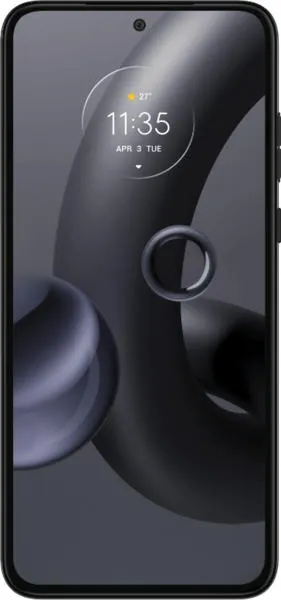
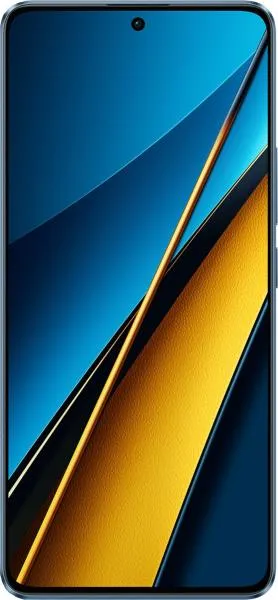
Let's dive into a comparative analysis of the Motorola Edge 30 Neo and the Xiaomi Poco X6, dissecting their technical specifications and translating them into real-world user experiences.
1. Specifications Breakdown
| Feature | Motorola Edge 30 Neo | Xiaomi Poco X6 | Real-World Implications |
|---|---|---|---|
| Design | |||
| Dimensions (mm) | 152.9 x 71.2 x 7.8 | 161.2 x 74.3 x 8 | Neo is significantly more compact and pocketable. Poco X6 offers a larger screen but sacrifices portability. |
| Weight (g) | 155 | 181 | Neo is noticeably lighter, reducing hand fatigue during extended use. |
| Display | |||
| Type | P-OLED, 120Hz | AMOLED, 120Hz | Both offer smooth scrolling and animations; AMOLED generally has better contrast and color vibrancy. |
| Size | 6.28" | 6.67" | Poco X6 boasts a larger display, enhancing media consumption and gaming. |
| Resolution | 1080 x 2400 | 1220 x 2712 | Poco X6 packs more pixels, resulting in sharper visuals. |
| Peak Brightness | N/A | 1800 nits | Poco X6's superior peak brightness ensures excellent outdoor visibility. |
| Performance | |||
| Chipset | Snapdragon 695 | Snapdragon 7s Gen 2 | Poco X6's newer, more powerful chip promises smoother multitasking and better gaming performance. |
| CPU | Octa-core (2.2 GHz) | Octa-core (2.4 GHz) | Poco X6's faster CPU clock speeds indicate improved responsiveness. |
| RAM | 8GB | 12GB | Poco X6's larger RAM allows for more apps to run in the background without impacting performance. |
| Camera | |||
| Main Camera | 64MP | 64MP | Similar resolution, but image quality depends on sensor and processing. Real-world testing needed. |
| Ultrawide | 13MP | 8MP | Neo has a higher resolution ultrawide, but lens quality and software processing are crucial factors. |
| Selfie Camera | 32MP | 16MP | Neo boasts a higher resolution selfie camera. |
| Battery Life | |||
| Capacity | 4020 mAh | 5100 mAh | Poco X6's significantly larger battery promises longer usage on a single charge. |
2. Key Insights
The Motorola Edge 30 Neo prioritizes compactness and portability, making it ideal for one-handed use. Its vibrant P-OLED display and capable Snapdragon 695 processor deliver a satisfying user experience for everyday tasks.
The Xiaomi Poco X6, on the other hand, excels in multimedia and gaming, thanks to its larger, brighter AMOLED display, more powerful Snapdragon 7s Gen 2 processor, and ample RAM. The larger battery also addresses a key concern for power users.
3. User Profiles and Recommendations
Edge 30 Neo: Best suited for users who value a compact, lightweight phone with good performance for everyday tasks, social media, and casual gaming. Its attractive design and vibrant colors also make it a stylish choice.
Poco X6: Ideal for users who prioritize a large screen, powerful performance for demanding games and apps, long battery life, and a great multimedia experience.
4. Buying Decision Framework
What is your priority: portability or screen size? If pocketability is paramount, the Edge 30 Neo wins. If a large screen for media consumption is crucial, the Poco X6 is the better choice.
What is your typical usage: casual or demanding? For everyday tasks and light gaming, the Edge 30 Neo suffices. For heavy gaming, multitasking, and demanding apps, the Poco X6's superior performance is necessary.
How important is battery life? If all-day battery life without recharging is essential, the Poco X6's significantly larger battery is a clear advantage.
My Choice: The Xiaomi Poco X6
While I appreciate the Motorola Edge 30 Neo's compact form factor, I would choose the Xiaomi Poco X6. The combination of a larger, brighter AMOLED display, a more powerful processor, significantly more RAM, and a substantial battery aligns perfectly with my usage patterns. As a tech journalist, I often push my devices to their limits with multitasking, multimedia editing, and on-the-go content creation. The Poco X6's superior performance and battery life would be invaluable in my daily workflow. While the increased size and weight are trade-offs, the significant performance and battery gains outweigh the portability compromise for my needs.
