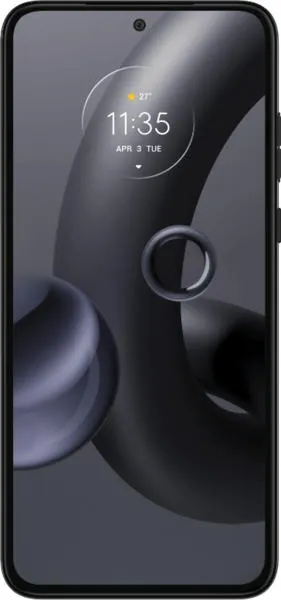
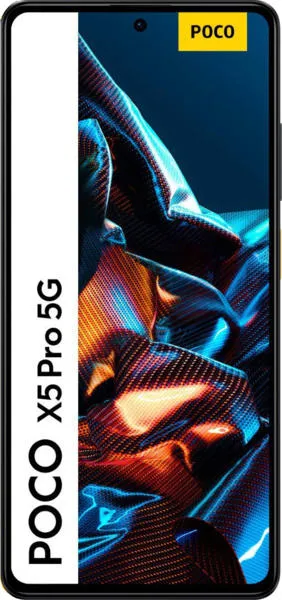
Let's dive into a comparative analysis of the Motorola Edge 30 Neo and the Xiaomi Poco X5 Pro, dissecting their technical specifications and translating them into real-world implications for you.
1. Specifications Breakdown
| Feature | Motorola Edge 30 Neo | Xiaomi Poco X5 Pro | Real-World Implications |
|---|---|---|---|
| Design | |||
| Dimensions (mm) | 152.9 x 71.2 x 7.8 | 162.9 x 76.0 x 7.9 | Neo is more compact and pocketable; Poco X5 Pro offers a larger canvas for media consumption. |
| Weight (g) | 155 | 181 | Neo is noticeably lighter, reducing hand fatigue during extended use. |
| Display | |||
| Type | P-OLED, 120Hz | AMOLED, 120Hz | Both offer smooth scrolling and animations; AMOLED generally provides deeper blacks and higher contrast. |
| Size | 6.28" | 6.67" | Poco X5 Pro has a larger screen for immersive viewing; Neo is more one-hand friendly. |
| Resolution | 1080 x 2400 | 1080 x 2400 | Sharpness is comparable on both, but the Neo's smaller size results in slightly higher pixel density. |
| HDR | No | HDR10+, Dolby Vision | Poco X5 Pro offers significantly better HDR support for compatible content, resulting in vibrant visuals. |
| Performance | |||
| Chipset | Snapdragon 695 | Snapdragon 778G | Poco X5 Pro boasts a more powerful processor, enabling smoother multitasking and demanding gaming. |
| CPU | Octa-core (2.2 GHz) | Octa-core (2.4 GHz) | Poco X5 Pro has a higher clock speed, translating to faster processing for demanding tasks. |
| GPU | Adreno 619 | Adreno 642L | Poco X5 Pro's GPU delivers superior graphics performance for gaming and visually intensive applications. |
| RAM | 8GB | 6/8GB | Both offer ample RAM for smooth multitasking; 8GB variant of Poco provides extra headroom for future needs. |
| Camera | |||
| Main Camera | 64MP | 108MP | Poco X5 Pro boasts higher resolution, potentially capturing more detail. Real-world performance depends on image processing. |
| Video | 1080p@120fps | 4K@30fps | Poco X5 Pro can record higher resolution video, but the Neo offers smoother slow-motion capture. |
| Battery Life | |||
| Capacity | 4020 mAh | 5000 mAh | Poco X5 Pro's larger battery likely provides significantly longer usage time on a single charge. |
2. Key Insights
The Poco X5 Pro is the clear performance champion, thanks to its more powerful Snapdragon 778G chipset and superior GPU. It also boasts a larger display, HDR support, and a significantly larger battery. However, it's noticeably heavier and larger than the Neo.
The Motorola Edge 30 Neo shines in its compact and lightweight design. It's the more pocketable and comfortable phone for one-handed use. While its performance is respectable for everyday tasks, it's not in the same league as the Poco X5 Pro for demanding applications or gaming. The Neo also stands out with its vibrant color options and stylish design.
3. User Profiles and Recommendations
Poco X5 Pro: Ideal for users who prioritize performance, a large screen for media consumption, long battery life, and high-resolution photography and videography. Gamers, power users, and those who consume a lot of media will appreciate this device.
Motorola Edge 30 Neo: Best suited for users who value a compact and lightweight phone that's easy to carry and use with one hand. Style-conscious individuals and those who prioritize portability over raw power will find the Neo appealing.
4. Buying Decision Framework
- What are your performance needs? Heavy gamer or multitasker? Choose the Poco X5 Pro. Primarily use social media, browsing, and light apps? The Neo is sufficient.
- How important is battery life? All-day use with heavy usage? The Poco X5 Pro's larger battery is a must. Moderate usage with charging opportunities? The Neo's battery should suffice.
- Do you prefer a compact phone or a larger screen? One-handed use and pocketability crucial? Go for the Neo. Immersive media viewing and gaming a priority? The Poco X5 Pro's larger screen is preferable.
My Choice: Xiaomi Poco X5 Pro
While I appreciate the Motorola Edge 30 Neo's compact design and stylish aesthetics, as a tech journalist who often pushes devices to their limits, I would choose the Xiaomi Poco X5 Pro. The superior performance, larger battery, and HDR-capable display are essential for my workflow. The ability to record 4K video is also a significant advantage for capturing high-quality content. While the extra weight and size are a trade-off, the performance gains and enhanced media experience of the Poco X5 Pro outweigh the portability benefits of the Neo for my specific needs.
