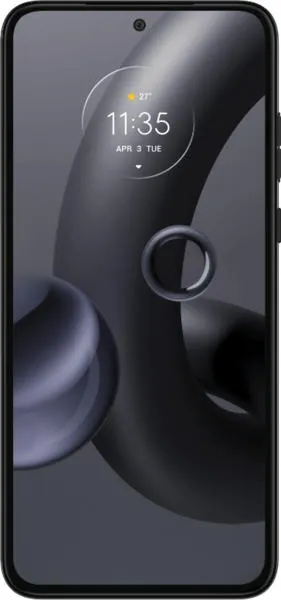
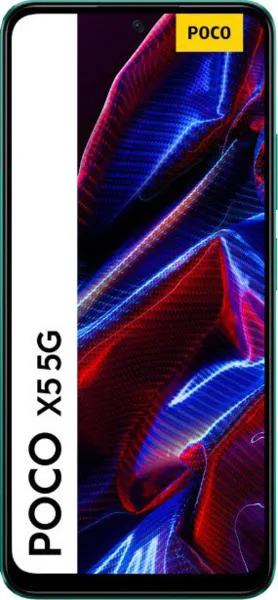
Let's dive into a comparative analysis of the Motorola Edge 30 Neo and the Xiaomi Poco X5, dissecting their technical specifications and translating them into real-world implications for you.
1. Specifications Breakdown
| Feature | Motorola Edge 30 Neo | Xiaomi Poco X5 | Real-World Implications |
|---|---|---|---|
| Design | |||
| Dimensions (mm) | 152.9 x 71.2 x 7.8 | 165.9 x 76.2 x 8 | Edge 30 Neo is noticeably more compact and pocketable. Poco X5 offers a larger canvas for media consumption. |
| Weight (g) | 155 | 189 | Edge 30 Neo is significantly lighter, reducing hand fatigue during extended use. |
| Build Materials | Glass front, plastic frame | Glass front, plastic frame, plastic back | Similar durability, but in-hand feel might vary. Poco X5 might be more prone to scratches on the back |
| Display | |||
| Type | P-OLED | AMOLED | Both offer vibrant colors and deep blacks. AMOLED generally has a slight edge in brightness. |
| Size | 6.28" | 6.67" | Poco X5 provides a larger screen for immersive viewing, while the Edge 30 Neo is more one-hand friendly. |
| Refresh Rate | 120Hz | 120Hz | Both deliver smooth scrolling and animations. |
| Resolution | 1080 x 2400 | 1080 x 2400 | Sharpness is comparable due to similar pixel density, despite the size difference. |
| Performance | |||
| Chipset | Snapdragon 695 5G | Snapdragon 695 5G | Identical processors indicate similar performance capabilities. |
| CPU | Octa-core (2x2.2 GHz & 6x1.7 GHz) | Octa-core (2x2.2 GHz & 6x1.7 GHz) | Same CPU architecture and clock speeds suggest comparable processing power. |
| GPU | Adreno 619 | Adreno 619 | Identical GPUs point to similar graphics performance for gaming and demanding applications. |
| RAM | 8GB | 6/8GB | 8GB RAM variant of both phones ensures smooth multitasking. |
| Camera | |||
| Main Camera | 64MP | 48MP | Edge 30 Neo boasts higher resolution, potentially capturing more detail. |
| Ultrawide | 13MP | 8MP | Edge 30 Neo offers a higher resolution ultrawide lens for broader perspectives. |
| Selfie Camera | 32MP | 13MP | Edge 30 Neo packs a significantly higher resolution selfie camera. |
| Battery Life | |||
| Capacity | 4020 mAh | 5000 mAh | Poco X5 has a considerably larger battery, likely translating to longer usage time. |
| Charging | 33W wired | 33W wired | Both phones offer moderately fast charging. |
2. Key Insights
Both phones share the same Snapdragon 695 processor, meaning day-to-day performance will be very similar. However, the Edge 30 Neo distinguishes itself with a more compact and lightweight design, making it ideal for one-handed use. Its camera system also seems superior on paper, particularly the selfie camera and ultrawide lens. The Poco X5 counters with a substantially larger battery and a bigger display, catering to users who prioritize media consumption and extended battery life.
3. User Profiles and Recommendations
Motorola Edge 30 Neo: Best suited for users who value a compact and lightweight phone with a strong camera system, especially for selfies and wide-angle shots. Its portability and stylish design will appeal to those constantly on the move.
Xiaomi Poco X5: Ideal for users who prioritize a large screen for immersive gaming and video watching, coupled with long battery life. It's a great choice for those who consume a lot of media or need a phone that can last all day on a single charge.
4. Buying Decision Framework
- Do you prioritize portability and a premium feel or a large screen and long battery life? If portability matters most, the Edge 30 Neo is the winner. If screen size and battery capacity are paramount, the Poco X5 takes the lead.
- How important is camera quality, particularly for selfies? The Edge 30 Neo boasts a significantly better camera setup on paper.
- What's your budget? Consider the price difference between the two phones and choose the one that offers the best value for your specific needs.
My Choice: Motorola Edge 30 Neo
While the Poco X5's larger battery is tempting, I'd personally choose the Motorola Edge 30 Neo. I value a compact and lightweight phone that fits comfortably in my pocket and is easy to use with one hand. The Edge 30 Neo's superior camera system, especially the higher resolution sensors for selfies and ultrawide shots, is a major draw for me. I'm also drawn to its more premium design and vibrant color options. While the battery capacity is smaller, I'm willing to make that trade-off for the enhanced portability and camera capabilities. I often carry a portable charger, mitigating the battery life difference. Ultimately, the Edge 30 Neo better aligns with my personal preferences and usage patterns.
