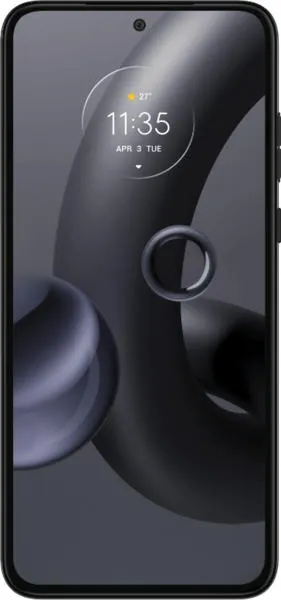
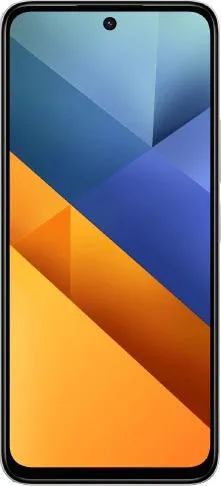
Motorola Edge 30 Neo vs. Xiaomi Poco M6 4G: A Detailed Comparison
Let's dive into a head-to-head comparison of the Motorola Edge 30 Neo and the Xiaomi Poco M6 4G, dissecting their specs and uncovering what they truly offer in real-world usage.
1. Specifications Breakdown
| Feature | Motorola Edge 30 Neo | Xiaomi Poco M6 4G | Real-World Implications |
|---|---|---|---|
| Design | |||
| Dimensions (mm) | 152.9 x 71.2 x 7.8 | 168.6 x 76.3 x 8.3 | Edge 30 Neo is significantly more compact and pocketable. Poco M6 4G is larger, potentially less comfortable for one-handed use. |
| Weight (g) | 155 | 205 | Edge 30 Neo is noticeably lighter, reducing hand fatigue during extended use. |
| Build Materials | N/A | N/A | Build quality impacts durability and premium feel; information lacking here. |
| Display | |||
| Display Type | P-OLED, 120Hz | IPS LCD, 90Hz | Edge 30 Neo offers deeper blacks, more vibrant colors, and smoother scrolling due to P-OLED and higher refresh rate. Poco M6 4G's IPS LCD is generally less power-efficient. |
| Size (inches) | 6.28 | 6.79 | Poco M6 4G provides a larger screen for media consumption, but may be less manageable for one-handed use. |
| Resolution | 1080 x 2400 | 1080 x 2460 | Both offer sharp visuals; the difference in resolution is negligible in daily use. |
| Performance | |||
| Chipset | Snapdragon 695 5G | Helio G91 | Snapdragon 695 generally offers better performance and power efficiency, along with 5G connectivity, a key advantage over the Poco M6 4G. |
| CPU | Octa-core (2.2 GHz) | Octa-core (2.0 GHz) | Both offer sufficient power for everyday tasks; Edge 30 Neo likely has a slight edge in demanding applications. |
| RAM | 8GB | 8GB | Both have ample RAM for multitasking and smooth performance. |
| Camera | |||
| Main Camera | 64MP | 108MP | Poco M6 4G boasts higher resolution, potentially capturing more detail. However, sensor size and image processing play a crucial role in overall image quality, which is not fully detailed here. |
| Selfie Camera | 32MP | 13MP | Edge 30 Neo has a significantly higher resolution selfie camera. |
| Battery Life | |||
| Capacity | 4020 mAh | 6000 mAh | Poco M6 4G has a substantially larger battery, likely resulting in significantly longer battery life. |
| Charging | N/A | N/A | Charging speed significantly impacts usability; information lacking here. |
| Other | |||
| NFC | Yes | Yes | Both support contactless payments and data transfer. |
| 5G | Yes | No | Edge 30 Neo offers future-proof 5G connectivity. |
| Price Range | Medium | Low | Poco M6 4G offers a more budget-friendly option. |
2. Key Insights
- Performance and Connectivity: The Edge 30 Neo's Snapdragon 695 with 5G provides a clear advantage in performance, efficiency, and future-proofing. The Poco M6 4G's Helio G91 is capable but lacks 5G.
- Display: The Edge 30 Neo's P-OLED display with a 120Hz refresh rate delivers a superior visual experience with vibrant colors and smooth scrolling.
- Battery Life: The Poco M6 4G boasts a much larger battery, promising significantly longer usage between charges. This is a major trade-off for the performance and display advantages of the Edge 30 Neo.
- Camera: While the Poco M6 4G has a higher resolution main camera (108MP vs. 64MP), real-world image quality depends on various factors not fully detailed in the specs. The Edge 30 Neo has a much better selfie camera.
- Design: The Edge 30 Neo is considerably more compact and lighter, making it more comfortable for one-handed use and portability.
3. User Profiles and Recommendations
- Motorola Edge 30 Neo: Ideal for users prioritizing performance, a premium display, compact design, and 5G connectivity. Suitable for demanding tasks, mobile gaming, and those seeking a stylish and pocketable device.
- Xiaomi Poco M6 4G: Best suited for budget-conscious users who prioritize long battery life and a large screen for media consumption. A good choice for casual users who are not heavy gamers or require cutting-edge performance.
4. Buying Decision Framework
- Is 5G connectivity essential for you? If yes, the Edge 30 Neo is the only option.
- Do you prioritize performance and a premium display or long battery life? The Edge 30 Neo excels in the former, while the Poco M6 4G champions the latter.
- What is your budget? The Poco M6 4G is the more affordable device.
My Choice: Motorola Edge 30 Neo
If I were choosing between these two, I'd go for the Motorola Edge 30 Neo. While the Poco M6 4G offers tempting battery life and a lower price, I value the superior performance, smoother display, more compact form factor, and future-proof 5G connectivity of the Edge 30 Neo. The better selfie camera is also a big plus for me. I'm willing to compromise a bit on battery life (and carry a power bank if needed) for the overall more premium and capable experience the Edge 30 Neo delivers. The Snapdragon 695's efficiency helps mitigate the smaller battery to some extent. In the long run, the 5G connectivity and overall performance of the Edge 30 Neo would make it a more satisfying device to use daily.
