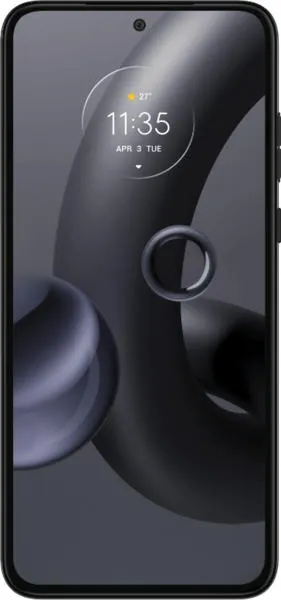
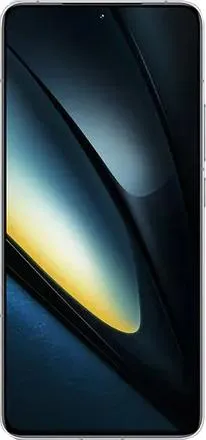
Motorola Edge 30 Neo vs. Xiaomi Poco F6 Pro: A Detailed Comparison
Let's dive deep into a head-to-head comparison of the Motorola Edge 30 Neo and the Xiaomi Poco F6 Pro, dissecting their specs and uncovering what they truly offer in real-world usage.
1. Specifications Breakdown
| Feature | Motorola Edge 30 Neo | Xiaomi Poco F6 Pro | Real-World Implications |
|---|---|---|---|
| Design | |||
| Dimensions (mm) | 152.9 x 71.2 x 7.8 | 160.9 x 75 x 8.2 | Neo is more compact and pocketable; F6 Pro has a larger footprint. |
| Weight (g) | 155 | 209 | Neo is significantly lighter, reducing hand fatigue. |
| Display | |||
| Type | P-OLED, 120Hz | AMOLED, 120Hz | Both offer smooth scrolling; AMOLED generally has better contrast. |
| Size | 6.28" | 6.67" | F6 Pro provides more screen real estate for media consumption. |
| Resolution | 1080 x 2400 | 1440 x 3200 | F6 Pro boasts sharper visuals due to higher resolution. |
| Peak Brightness | N/A | 4000 nits | F6 Pro offers exceptional outdoor visibility. |
| Performance | |||
| Chipset | Snapdragon 695 5G | Snapdragon 8 Gen 2 | F6 Pro delivers significantly faster processing and graphics. |
| CPU | Octa-core (2.2 GHz) | Octa-core (3.2 GHz) | F6 Pro handles demanding tasks and multitasking with ease. |
| RAM | 8GB | 12GB/16GB | F6 Pro offers smoother multitasking and app switching. |
| Camera | |||
| Main Camera | 64MP | 50MP | Both offer high-resolution sensors; image quality depends on processing. |
| Ultrawide | 13MP | 8MP | Neo has a higher resolution ultrawide. |
| Battery Life | |||
| Capacity | 4020 mAh | 5000 mAh | F6 Pro likely offers longer battery life due to larger capacity. |
2. Key Insights
- Performance Powerhouse: The Poco F6 Pro, with its Snapdragon 8 Gen 2, crushes the Edge 30 Neo in raw processing power. This translates to blazing-fast speeds, seamless multitasking, and effortless handling of demanding games. The Edge 30 Neo, while capable for everyday tasks, isn't in the same league.
- Display Delight: While both phones offer 120Hz refresh rates for butter-smooth scrolling, the F6 Pro's higher resolution AMOLED display delivers a noticeably sharper and more vibrant viewing experience. Its superior peak brightness ensures excellent outdoor readability.
- Compact vs. Commanding: The Edge 30 Neo is significantly lighter and smaller, making it ideal for one-handed use and pocket portability. The F6 Pro, with its larger display and battery, prioritizes immersive media consumption and longer battery life.
- Camera Considerations: While megapixel counts differ, real-world image quality will depend heavily on software processing. The Neo boasts a higher-resolution ultrawide lens. We need more data (e.g., DxOMark scores) to make a definitive judgment on camera performance.
3. User Profiles and Recommendations
- Edge 30 Neo: Best suited for users who prioritize a compact and lightweight phone for everyday communication, social media, and light gaming. Its lower price point makes it an attractive option for budget-conscious buyers.
- Poco F6 Pro: Ideal for power users, gamers, and multimedia enthusiasts who demand top-tier performance, a stunning display, and long battery life. The higher RAM options are beneficial for heavy multitasking.
4. Buying Decision Framework
- What is your budget? The Edge 30 Neo offers excellent value in the mid-range segment, while the F6 Pro commands a higher price for its flagship-level performance.
- What is your primary phone usage? Casual users will find the Neo sufficient, while power users will appreciate the F6 Pro's capabilities.
- Do you prioritize portability or screen size? The Neo's compact form factor is perfect for on-the-go use, whereas the F6 Pro's larger display enhances media consumption.
My Choice: Xiaomi Poco F6 Pro
While I appreciate the Motorola Edge 30 Neo's compact design and affordability, I would personally choose the Xiaomi Poco F6 Pro. As a tech enthusiast who often pushes devices to their limits, I value the raw power and future-proofing offered by the Snapdragon 8 Gen 2. The superior display and larger battery are also significant factors for my usage patterns, which involve lots of multitasking, media consumption, and on-the-go productivity. I'm willing to pay the premium for a device that can seamlessly handle my workflow and provide a premium user experience. The higher RAM options on the F6 Pro would also be critical for my usage.
