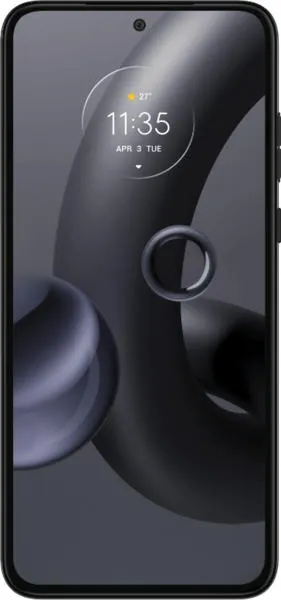
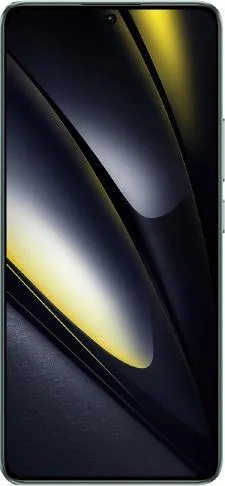
Motorola Edge 30 Neo vs. Xiaomi Poco F6: A Deep Dive
Let's dissect the Motorola Edge 30 Neo and the Xiaomi Poco F6, translating their spec sheets into real-world experiences. We'll uncover which phone best fits your needs and budget.
1. Specifications Breakdown
| Feature | Motorola Edge 30 Neo | Xiaomi Poco F6 | Real-World Implications |
|---|---|---|---|
| Design | |||
| Dimensions (mm) | 152.9 x 71.2 x 7.8 | 160.5 x 74.5 x 8.0 | Neo is noticeably smaller and lighter, great for one-handed use. Poco F6 might feel bulkier. |
| Weight (g) | 155 | 179 | Neo offers superior portability. |
| Display | |||
| Display Type | 6.28" P-OLED, 120Hz | 6.67" AMOLED, 120Hz | Both offer smooth scrolling and vibrant colors. Poco F6 boasts a larger, potentially brighter display with HDR10+ and Dolby Vision for superior media consumption. |
| Resolution | 1080 x 2400 | 1220 x 2712 | Poco F6 has a sharper display. Difference may not be noticeable in everyday use. |
| Peak Brightness | Not specified | Up to 2400 nits | Poco F6 excels in direct sunlight readability. |
| Performance | |||
| Chipset | Snapdragon 695 5G | Snapdragon 8s Gen 3 | Poco F6 significantly outperforms the Neo in demanding tasks like gaming and video editing thanks to its flagship-level processor. |
| CPU | Octa-core (2x2.2 GHz & 6x1.7 GHz) | Octa-core (1x3.0 GHz & 4x2.8 GHz & 3x2.0 GHz) | Poco F6's superior CPU architecture delivers faster processing and smoother multitasking. |
| RAM | 8GB | Up to 12GB | Both offer ample RAM for most users; Poco F6's higher RAM option provides headroom for future-proofing. |
| Camera | |||
| Main Camera | 64MP, f/1.8 | 50MP, f/1.6 | Poco F6 utilizes a larger sensor with wider aperture potentially capturing more light in low-light conditions. |
| Video Recording | 1080p@120fps | 4K@60fps, 1080p@240fps | Poco F6 offers superior video recording capabilities, including 4K resolution and higher slow-motion frame rates. |
| Battery Life | |||
| Battery Capacity | 4020 mAh | 5000 mAh | Poco F6 is expected to deliver significantly longer battery life. |
2. Key Insights
- Performance Powerhouse: The Poco F6 is a clear winner in performance, thanks to its Snapdragon 8s Gen 3 chip. This translates to a noticeably smoother experience in demanding applications and games. The Neo, with its Snapdragon 695, is capable for everyday tasks but will struggle with heavy lifting.
- Display Differences: While both phones offer 120Hz refresh rates, the Poco F6's larger AMOLED display with HDR10+ and Dolby Vision support provides a more immersive media experience. The Neo's P-OLED is no slouch, but lacks the same level of visual punch.
- Size and Portability: The Edge 30 Neo shines in portability. Its compact form factor makes it ideal for one-handed use. The Poco F6's larger display and battery contribute to its bulkier profile.
- Camera Considerations: While megapixel counts don't tell the whole story, the Poco F6's main camera with a Sony IMX882 sensor and wider aperture potentially offers better low-light performance. It undeniably wins in video recording capabilities.
3. User Profiles and Recommendations
- Motorola Edge 30 Neo: Best suited for users prioritizing a compact, stylish phone for everyday tasks like social media, browsing, and casual photography. Its vibrant display and decent performance make it a solid mid-range option for those on a budget.
- Xiaomi Poco F6: Ideal for power users, gamers, and content creators who demand top-tier performance and a premium multimedia experience. Its superior camera system and longer battery life also make it a compelling choice.
4. Buying Decision Framework
- What's your budget? The Poco F6 commands a higher price for its flagship-level features.
- What are your performance needs? For demanding tasks, the Poco F6 is a must. For everyday use, the Neo suffices.
- Do you prioritize portability or screen size? The Neo wins in portability, while the Poco F6 offers a more immersive viewing experience.
My Choice: The Xiaomi Poco F6
While I appreciate the Motorola Edge 30 Neo's compact design, as a tech enthusiast and someone who pushes their phone to its limits, I'd choose the Xiaomi Poco F6. Its superior performance, stunning display, and advanced camera system make it a more compelling overall package. The future-proof specs justify the higher price, ensuring a smooth and enjoyable user experience for years to come. I value the ability to seamlessly multitask, enjoy graphically demanding games, and capture high-quality photos and videos. The longer battery life is also a significant advantage for my busy lifestyle. While the larger size might take some getting used to, the benefits in performance and multimedia experience outweigh the trade-off in portability for me.
