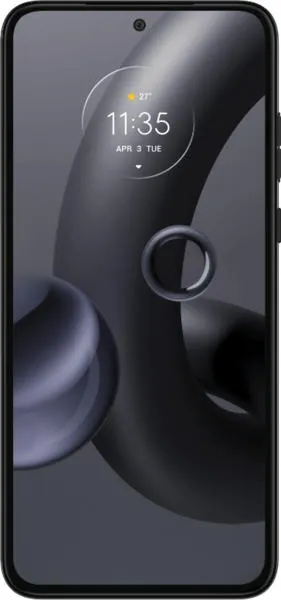
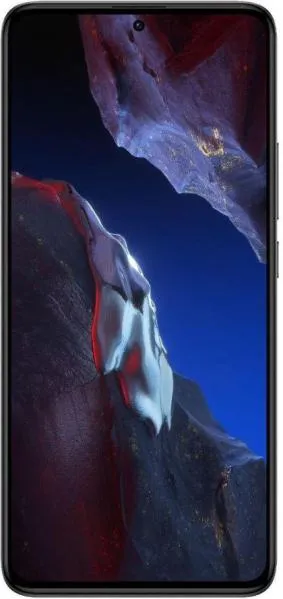
Motorola Edge 30 Neo vs. Xiaomi Poco F5 Pro: A Deep Dive
Let's dissect the Motorola Edge 30 Neo and the Xiaomi Poco F5 Pro, translating their spec sheets into real-world experiences. We'll uncover which phone reigns supreme and for whom.
1. Specifications Breakdown
| Feature | Motorola Edge 30 Neo | Xiaomi Poco F5 Pro | Real-World Implications |
|---|---|---|---|
| Design | |||
| Dimensions (mm) | 152.9 x 71.2 x 7.8 | 162.8 x 75.4 x 8.6 | Neo is significantly more compact and pocketable. Pro feels more substantial, potentially less agile. |
| Weight (g) | 155 | 204 | Neo is noticeably lighter, reducing hand fatigue during extended use. |
| Display | |||
| Type | P-OLED, 120Hz | AMOLED, 120Hz | Both offer smooth scrolling and animations. Pro boasts richer colors and higher peak brightness. |
| Size (inches) | 6.28 | 6.67 | Pro provides more screen real estate for media consumption. Neo is easier to use one-handed. |
| Resolution | 1080 x 2400 | 1440 x 3200 | Pro offers significantly sharper visuals. Neo is sufficient for everyday tasks. |
| Performance | |||
| Chipset | Snapdragon 695 | Snapdragon 8+ Gen 1 | Pro delivers flagship-level performance for demanding tasks and gaming. Neo handles daily use well. |
| RAM (GB) | 8 | 12 | Pro allows for more apps to run in the background without slowdown. |
| Camera | |||
| Main Camera (MP) | 64 | 64 | Comparable main camera resolution. Real-world image quality depends on sensor and processing. |
| Ultrawide (MP) | 13 | 8 | Neo offers a higher resolution ultrawide, capturing wider scenes. |
| Battery Life | |||
| Capacity (mAh) | 4020 | 5160 | Pro offers substantially longer battery life, reducing the need for frequent charging. |
2. Key Insights
Performance Powerhouse: The Poco F5 Pro, with its Snapdragon 8+ Gen 1 and ample RAM, is a performance beast. Expect seamless multitasking, smooth gaming, and effortless handling of demanding applications. The Edge 30 Neo, while not a slouch, caters to moderate usage.
Visual Feast: The F5 Pro's AMOLED display with HDR10+ and Dolby Vision support delivers a vibrant and immersive visual experience. The Edge 30 Neo's P-OLED is no slouch, providing smooth 120Hz refresh rates, but lacks the Pro's color depth and peak brightness.
Pocket Rocket vs. Big-Screen Beauty: The Edge 30 Neo prioritizes portability with its compact and lightweight design. The F5 Pro, with its larger display and battery, is geared towards media consumption and extended use.
Camera Considerations: Both phones boast a 64MP main camera, but the real differentiator lies in the secondary lenses and image processing. The Neo's higher resolution ultrawide might appeal to landscape photographers, while the Pro's overall camera system promises better versatility.
3. User Profiles and Recommendations
Edge 30 Neo: Ideal for users prioritizing a compact and lightweight phone for everyday tasks, social media, and casual photography. Its attractive price point makes it a compelling option for budget-conscious buyers.
Poco F5 Pro: Perfect for power users, gamers, and multimedia enthusiasts who demand top-tier performance, a stunning display, and long battery life.
4. Buying Decision Framework
What is your budget? The Edge 30 Neo sits in a lower price bracket, offering excellent value for its features.
What is your primary use case? For demanding tasks and multimedia, the Poco F5 Pro is superior. For everyday use and portability, the Neo shines.
Do you prioritize portability or battery life? The Neo is incredibly compact and light, while the F5 Pro boasts significantly longer battery life.
My Choice: The Xiaomi Poco F5 Pro
While I admire the Edge 30 Neo's compact design, I'd choose the Poco F5 Pro. As a tech journalist constantly pushing devices to their limits, I need the raw power and enduring battery life that the F5 Pro provides. The superior display and more versatile camera system further solidify my choice. While it comes at a premium, the performance leap and enhanced user experience justify the investment for my needs. The F5 Pro is a future-proof device capable of handling anything I throw at it, ensuring a smooth and productive workflow.
