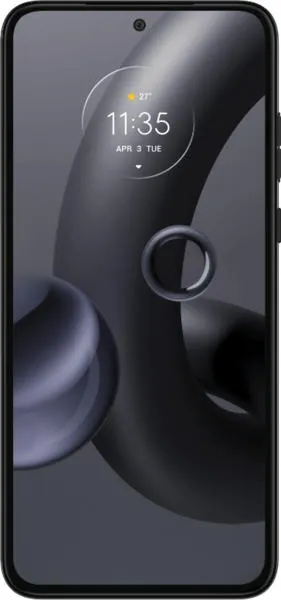
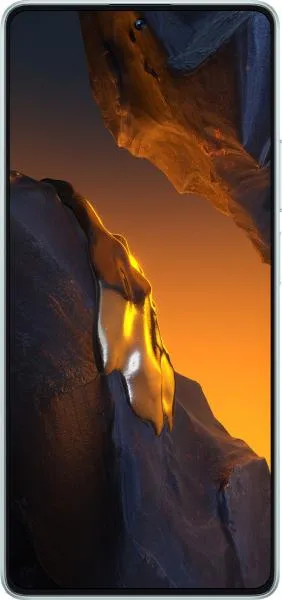
Motorola Edge 30 Neo vs. Xiaomi Poco F5: A Comparative Analysis
Let's dive deep into a head-to-head comparison of the Motorola Edge 30 Neo and the Xiaomi Poco F5, dissecting their technical specifications and translating them into real-world user experiences.
1. Specifications Breakdown
| Feature | Motorola Edge 30 Neo | Xiaomi Poco F5 | Real-World Implications |
|---|---|---|---|
| Design | |||
| Dimensions (mm) | 152.9 x 71.2 x 7.8 | 161.1 x 75.0 x 7.9 | Neo is noticeably more compact, easier for one-hand use and pocket portability. |
| Weight (g) | 155 | 181 | Neo is significantly lighter, reducing hand fatigue during extended use. |
| Display | |||
| Type | P-OLED, 120Hz | AMOLED, 120Hz | Both offer smooth scrolling and animations; AMOLED on the F5 might offer deeper blacks and richer colors. |
| Size | 6.28" | 6.67" | F5 provides a larger viewing area for media consumption, but Neo is more pocketable. |
| Resolution | 1080 x 2400 | 1080 x 2400 | Similar sharpness, though F5 has slightly lower pixel density due to larger size. |
| HDR | No | HDR10+, Dolby Vision | F5 delivers significantly better dynamic range and color accuracy in supported content. |
| Performance | |||
| Chipset | Snapdragon 695 | Snapdragon 7+ Gen 2 | F5 boasts significantly more powerful CPU and GPU, resulting in much faster performance in demanding tasks and games. |
| RAM | 8GB | 8/12GB | F5 offers a 12GB option for even smoother multitasking and future-proofing. |
| Camera | |||
| Main Camera | 64MP, f/1.8 | 64MP, f/1.8 | Comparable main camera resolution and aperture. Image quality will depend on processing. |
| Ultrawide | 13MP, f/2.2 | 8MP, f/2.2 | Neo has a higher resolution ultrawide, potentially capturing more detail. |
| Video | 1080p@120fps | 4K@30fps, 1080p@120fps | F5 can record in 4K, offering higher resolution video recording. |
| Battery Life | |||
| Capacity | 4020 mAh | 5000 mAh | F5 has a substantially larger battery, likely resulting in significantly longer usage time. |
2. Key Insights
- Performance: The Poco F5 is the clear winner in terms of raw power, thanks to its significantly newer and more powerful Snapdragon 7+ Gen 2 processor. This translates to smoother gaming, faster app loading, and better multitasking performance. The Edge 30 Neo, while adequate for everyday tasks, might struggle with more demanding applications.
- Display: While both offer 120Hz refresh rates, the F5's AMOLED display with HDR10+ and Dolby Vision support provides a superior visual experience with richer colors, deeper blacks, and greater dynamic range, especially noticeable when consuming HDR content.
- Battery Life: The F5's larger 5000mAh battery provides a clear advantage in terms of longevity. Expect significantly longer usage time compared to the Neo's 4020mAh battery.
- Portability: The Edge 30 Neo shines in portability. Its smaller size and lighter weight make it more comfortable for one-handed use and easier to carry in pockets.
3. User Profiles and Recommendations
- Power User/Gamer: The Poco F5 is the better choice for demanding users who prioritize performance, a larger display, and long battery life.
- Casual User/Portability Focused: The Edge 30 Neo is a solid option for casual users who prioritize a compact and lightweight design, and whose usage primarily involves everyday tasks like social media, browsing, and light photography.
4. Buying Decision Framework
- What is your budget? Both phones fall in the mid-range category, but specific pricing may vary.
- What are your performance needs? Heavy gamers and multitaskers will appreciate the F5's power. Casual users will find the Neo sufficient.
- What is more important: portability or a larger screen and battery? The Neo excels in portability, while the F5 offers a more immersive media experience and longer battery life.
My Choice: As Alex Griffin, I would choose the Xiaomi Poco F5. While I appreciate the Neo's compact design, as a tech journalist, I need the extra processing power for running benchmarking apps, editing videos on the go, and multitasking efficiently. The F5's superior performance, longer battery life, and stunning HDR display outweigh the benefits of the Neo's portability for my specific needs. The ability to record 4K video is also a crucial factor for my work. While the price difference might be a consideration for some, the significant performance jump and enhanced feature set make the F5 a worthwhile investment in my opinion.
