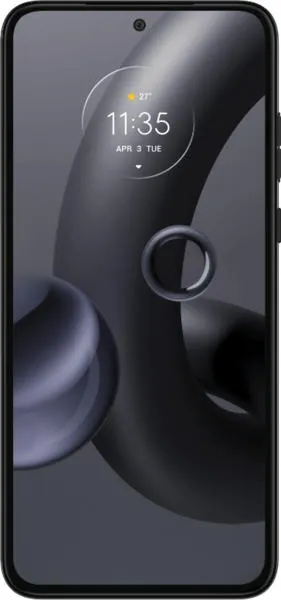
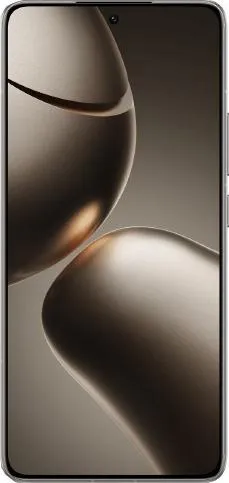
Motorola Edge 30 Neo vs. Xiaomi 14T Pro: A Comparative Analysis
Hello fellow tech enthusiasts! Today, we're diving deep into a head-to-head comparison of two intriguing mid-range contenders: the Motorola Edge 30 Neo and the Xiaomi 14T Pro. Let's dissect their specs, uncover their strengths and weaknesses, and ultimately, determine which phone reigns supreme for different user needs.
1. Specifications Breakdown
| Feature | Motorola Edge 30 Neo | Xiaomi 14T Pro | Real-World Implications |
|---|---|---|---|
| Design | |||
| Dimensions (mm) | 152.9 x 71.2 x 7.8 | 160.4 x 75.1 x 8.4 | 14T Pro is larger and heavier; Edge 30 Neo is more pocketable. |
| Weight (g) | 155 | 209 | Noticeable difference in hand; Edge 30 Neo feels lighter. |
| Display | |||
| Type | P-OLED, 120Hz | AMOLED, 144Hz | Both offer smooth scrolling; 14T Pro has slightly higher refresh rate and potentially better color accuracy. |
| Size (inches) | 6.28 | 6.67 | 14T Pro offers a larger screen for media consumption. |
| Resolution | 1080 x 2400 | 1220 x 2712 | 14T Pro boasts sharper visuals due to higher resolution. |
| Peak Brightness | N/A | 4000 nits | 14T Pro's display will be significantly more visible in direct sunlight. |
| HDR | No | HDR10+, Dolby Vision | Superior dynamic range and color accuracy on the 14T Pro for supported content. |
| Performance | |||
| Chipset | Snapdragon 695 5G | Dimensity 9300+ | 14T Pro significantly more powerful, enabling smoother multitasking and gaming. |
| CPU | Octa-core (2.2 GHz) | Octa-core (3.4 GHz) | 14T Pro offers significantly faster processing speeds. |
| RAM | 8GB | 12GB | More RAM on the 14T Pro allows for more apps to run in the background without performance slowdown. |
| Camera | |||
| Main Sensor | 64MP, f/1.8 | 50MP, f/1.6, OIS | 14T Pro likely to produce better low-light images due to wider aperture and OIS. Larger sensor on 14T Pro. |
| Ultrawide | 13MP | 12MP | Similar ultrawide capabilities. |
| Telephoto | N/A | 50MP, f/2.0, OIS | Dedicated telephoto lens on the 14T Pro for optical zoom. |
| Video | 1080p@120fps | 8K@30fps | 14T Pro capable of significantly higher resolution video recording. |
| Battery Life | |||
| Capacity | 4020 mAh | 5000 mAh | 14T Pro likely to offer longer battery life due to larger capacity. |
2. Key Insights
- Performance: The Xiaomi 14T Pro boasts a clear advantage in processing power with its Dimensity 9300+ chipset and 12GB of RAM, outperforming the Edge 30 Neo's Snapdragon 695. This translates to a smoother experience for demanding tasks and gaming.
- Display: While both phones offer high refresh rate displays, the 14T Pro's AMOLED panel with HDR10+ and Dolby Vision support provides a visually richer experience. Its higher resolution and peak brightness also contribute to a superior display.
- Camera: The 14T Pro's camera system, featuring a larger main sensor with OIS, a dedicated telephoto lens, and 8K video recording, significantly outclasses the Edge 30 Neo's camera setup.
- Battery: The 14T Pro's larger 5000mAh battery should comfortably outlast the Edge 30 Neo's 4020mAh battery.
- Size and Weight: The Edge 30 Neo is considerably smaller and lighter, making it more pocketable and comfortable for one-handed use.
3. User Profiles and Recommendations
- Motorola Edge 30 Neo: Ideal for users prioritizing a compact and lightweight phone for everyday use, social media, and light gaming. Its lower price point makes it a budget-friendly option.
- Xiaomi 14T Pro: Best suited for power users who demand top-tier performance, a stunning display, and a versatile camera system. Excellent for mobile gaming, content creation, and multimedia consumption.
4. Buying Decision Framework
- What is your budget? The Edge 30 Neo is significantly more affordable.
- Do you prioritize performance and camera quality? If so, the 14T Pro is the clear winner.
- Is portability and one-handed use important? The Edge 30 Neo excels in this area.
My Choice: Xiaomi 14T Pro
While I appreciate the Edge 30 Neo's compact design and affordability, the Xiaomi 14T Pro's superior performance, stunning display, and advanced camera system are compelling. As someone who values a smooth user experience, high-quality visuals, and the ability to capture stunning photos and videos, the 14T Pro aligns perfectly with my needs. The price difference is justifiable for the significant leap in overall capabilities. The future-proofing offered by the 14T Pro's cutting-edge hardware ensures it will remain a top performer for years to come.
