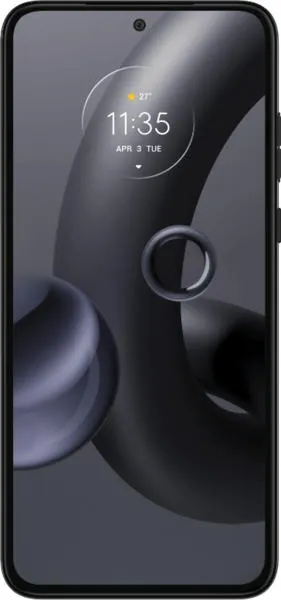
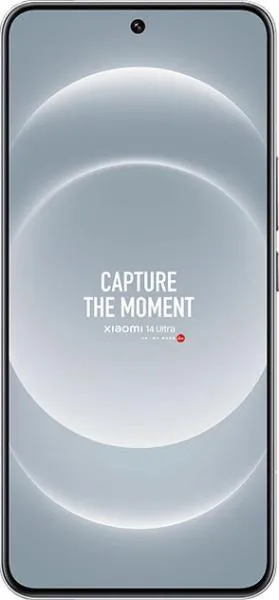
Let's dive into a comparative analysis of the Motorola Edge 30 Neo and the Xiaomi 14 Ultra, dissecting their technical specifications and translating them into real-world user experiences.
1. Specifications Breakdown
| Feature | Motorola Edge 30 Neo | Xiaomi 14 Ultra | Real-World Implications |
|---|---|---|---|
| Design | |||
| Dimensions (mm) | 152.9 x 71.2 x 7.8 | 161.4 x 75.3 x 9.2 | Edge 30 Neo is significantly more compact and pocketable. 14 Ultra feels substantial. |
| Weight (g) | 155 | 229.5 | Edge 30 Neo is much lighter for comfortable one-handed use. 14 Ultra is noticeably heavier. |
| Display | |||
| Size (inches) | 6.28 | 6.73 | 14 Ultra offers a larger screen for more immersive content consumption. |
| Resolution | 1080 x 2400 | 1440 x 3200 | 14 Ultra boasts sharper visuals due to higher pixel density. |
| Type | P-OLED, 120Hz | LTPO AMOLED, 120Hz | Both offer smooth scrolling and animations. 14 Ultra's LTPO allows for dynamic refresh rate |
| Performance | |||
| Chipset | Snapdragon 695 5G | Snapdragon 8 Gen 3 | 14 Ultra provides significantly faster processing and graphics performance. |
| RAM | 8GB | 16GB | 14 Ultra can handle more demanding tasks and multitasking with ease. |
| Camera | |||
| Main Sensor | 64MP, f/1.8 | 50MP, f/1.63 | 14 Ultra's larger sensor and wider aperture likely capture superior low-light photos. |
| Ultrawide | 13MP | 50MP | 14 Ultra's ultrawide offers vastly improved resolution and detail. |
| Telephoto | N/A | 50MP (3.2x & 5x) | 14 Ultra features dual telephoto lenses for versatile zoom capabilities. |
| Battery Life | |||
| Capacity (mAh) | 4020 | 5000 | 14 Ultra likely offers longer battery life due to larger capacity and efficient chipset. |
2. Key Insights
Performance: The Xiaomi 14 Ultra is a clear winner in terms of raw performance, thanks to the cutting-edge Snapdragon 8 Gen 3. This translates to a smoother user experience, especially for demanding tasks like gaming and video editing. The Edge 30 Neo, with its Snapdragon 695, is no slouch for everyday use but will show its limitations when pushed.
Camera: The 14 Ultra's camera system is significantly more advanced, featuring a larger main sensor, a high-resolution ultrawide, and dual telephoto lenses. This translates to greater versatility, superior low-light performance, and impressive zoom capabilities. The Edge 30 Neo's camera is decent for casual photography but lacks the 14 Ultra's sophistication.
Display: While both phones offer 120Hz refresh rates for smooth visuals, the 14 Ultra's LTPO panel allows for dynamic adjustment, conserving battery life. Its higher resolution also delivers sharper images and text. The Edge 30 Neo's P-OLED display is vibrant and responsive, but the 14 Ultra provides a more premium visual experience.
Portability: The Edge 30 Neo's compact size and lighter weight make it a clear winner for one-handed use and pocketability. The 14 Ultra, while larger and heavier, feels premium and substantial in hand.
3. User Profiles and Recommendations
Motorola Edge 30 Neo: Ideal for users seeking a compact, stylish, and affordable phone for everyday tasks like social media, browsing, and casual photography. Its lighter weight and smaller size make it particularly appealing for those who prioritize portability.
Xiaomi 14 Ultra: Best suited for power users and photography enthusiasts who demand top-tier performance, a cutting-edge camera system, and an immersive display. Its premium features come at a higher price, but it delivers a flagship experience.
4. Buying Decision Framework
- What is your budget? The Edge 30 Neo is significantly more affordable.
- What are your primary use cases? For everyday tasks, the Edge 30 Neo suffices. For demanding applications and photography, the 14 Ultra excels.
- Do you prioritize portability or a larger screen? The Edge 30 Neo is more compact, while the 14 Ultra offers a larger display.
My Choice: Xiaomi 14 Ultra
While I appreciate the Motorola Edge 30 Neo's compact design and affordability, I would choose the Xiaomi 14 Ultra. As a tech journalist focused on the intricacies of mobile technology, I value cutting-edge performance and advanced camera capabilities. The 14 Ultra's Snapdragon 8 Gen 3, coupled with its impressive camera system and stunning display, provides a compelling package that aligns with my needs for both personal use and professional content creation. The higher price is justified by the significant leap in performance and features, making it a worthy investment for the long term. The superior camera system alone would be a game-changer for capturing high-quality photos and videos for my articles and social media. While the size and weight are a trade-off, the overall experience offered by the 14 Ultra is simply too enticing to ignore.
