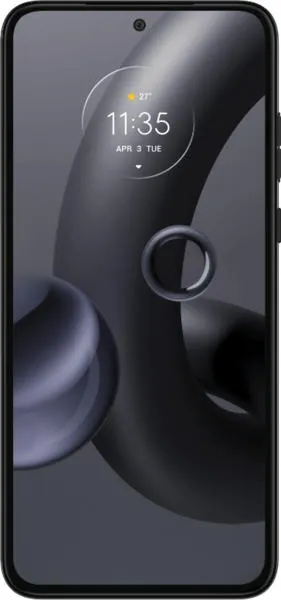
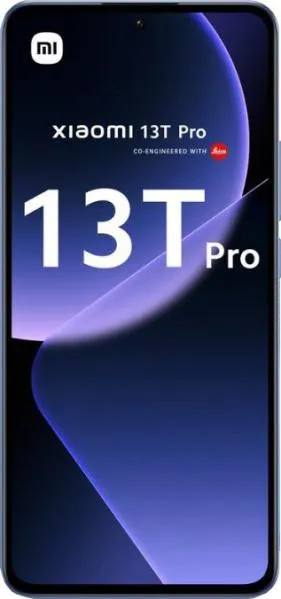
Let's dive into a comparative analysis of the Motorola Edge 30 Neo and the Xiaomi 13T Pro, dissecting their specifications and translating them into real-world implications for you.
1. Specifications Breakdown
| Feature | Motorola Edge 30 Neo | Xiaomi 13T Pro | Real-World Implications |
|---|---|---|---|
| Design | |||
| Dimensions (mm) | 152.9 x 71.2 x 7.8 | 162.2 x 75.7 x 8.5 | The Edge 30 Neo is noticeably smaller and lighter, making it more pocketable and comfortable for one-handed use. |
| Weight (g) | 155 | 200 | The 13T Pro's heft might be noticeable in extended use but suggests a more premium build quality. |
| Display | |||
| Type | P-OLED | AMOLED | Both offer vibrant colors and deep blacks. AMOLED generally has a slight edge in brightness. |
| Size (inches) | 6.28 | 6.67 | The 13T Pro offers a larger screen for more immersive media consumption. |
| Refresh Rate (Hz) | 120 | 144 | The 13T Pro's higher refresh rate results in smoother scrolling and animations, particularly noticeable in gaming. |
| Resolution | 1080 x 2400 | 1220 x 2712 | The 13T Pro boasts a sharper display with higher pixel density. |
| HDR | No | Yes (HDR10+, Dolby Vision) | The 13T Pro supports HDR content, resulting in a wider dynamic range and more realistic visuals. |
| Performance | |||
| Chipset | Snapdragon 695 | Dimensity 9200+ | The 13T Pro's Dimensity 9200+ significantly outperforms the Snapdragon 695, offering much faster processing and graphics. |
| RAM (GB) | 8 | 12 | More RAM on the 13T Pro allows for smoother multitasking and handling demanding applications. |
| Camera | |||
| Main Camera (MP) | 64 | 50 (Sony IMX707) | While the Edge 30 Neo has a higher megapixel count, the 13T Pro utilizes a larger, more advanced sensor (IMX707) for potentially better low-light performance and overall image quality. |
| Video | 1080p@120fps | 8K@24fps | The 13T Pro offers significantly higher video resolution capabilities. |
| Battery Life | |||
| Capacity (mAh) | 4020 | 5000 | The 13T Pro has a substantially larger battery, promising longer usage time. |
2. Key Insights
- Performance: The Xiaomi 13T Pro is the clear winner in terms of raw performance, thanks to its flagship Dimensity 9200+ processor and ample RAM. This translates to a smoother, faster experience across all tasks, especially demanding games and applications.
- Display: While both phones offer excellent displays, the 13T Pro pulls ahead with its larger size, sharper resolution, higher refresh rate, and HDR support. This results in a more immersive and visually appealing experience for media consumption and gaming.
- Camera: The 13T Pro likely has a superior camera system despite the lower megapixel count on its primary lens. The larger sensor size and inclusion of a telephoto lens provide versatility and potentially better low-light performance. Its 8K video recording capability significantly outclasses the Edge 30 Neo.
- Portability: The Edge 30 Neo shines in its compact form factor. It's considerably lighter and smaller, making it ideal for one-handed use and comfortable pocket carry.
- Battery: The 13T Pro's larger battery capacity should easily provide longer usage time compared to the Edge 30 Neo.
3. User Profiles and Recommendations
- Motorola Edge 30 Neo: Best suited for users prioritizing a compact and lightweight phone for everyday communication, social media, and light gaming. Its attractive design and vibrant display are bonuses. Budget-conscious users will also appreciate its lower price point.
- Xiaomi 13T Pro: Ideal for power users, gamers, and multimedia enthusiasts who demand top-tier performance, a stunning display, and advanced camera features.
4. Buying Decision Framework
- What is your budget? The Edge 30 Neo offers great value in the mid-range segment, while the 13T Pro commands a higher price for its flagship-level features.
- What is your priority? Prioritize portability and ease of use? Choose the Edge 30 Neo. Prioritize performance, multimedia, and gaming? Choose the 13T Pro.
- How important is battery life? If all-day battery life is crucial, the 13T Pro with its larger battery is the better choice.
My Choice
I would choose the Xiaomi 13T Pro. As a tech journalist who constantly tests demanding apps and games, the performance leap offered by the Dimensity 9200+ is incredibly appealing. The superior display and camera system are also significant factors, enhancing both my work and leisure activities. While I appreciate the Edge 30 Neo's compactness, the 13T Pro's overall package, including the future-proof features, justifies the higher price for my needs. The significantly longer battery life also aligns with my on-the-go lifestyle.
