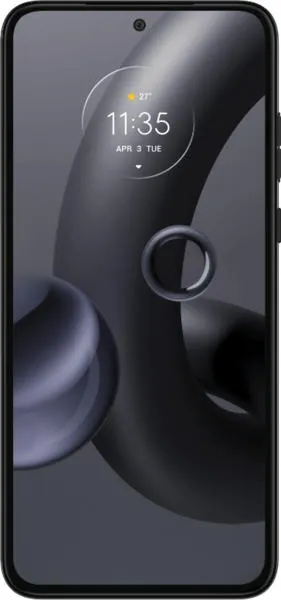
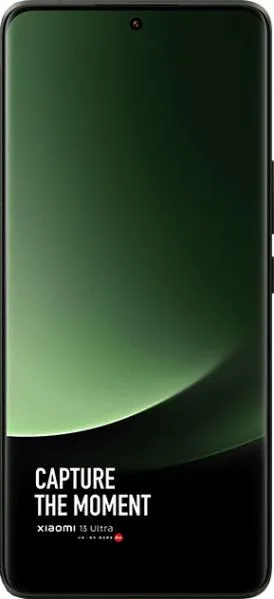
Motorola Edge 30 Neo vs. Xiaomi 13 Ultra: A Deep Dive
Let's dissect the Motorola Edge 30 Neo and the Xiaomi 13 Ultra, two phones occupying very different spaces in the Android ecosystem. I'll break down their specs, analyze their real-world performance, and help you figure out which one might be your perfect match.
1. Specifications Breakdown
| Feature | Motorola Edge 30 Neo | Xiaomi 13 Ultra | Real-World Implications |
|---|---|---|---|
| Design | |||
| Dimensions (mm) | 152.9 x 71.2 x 7.8 | 163.2 x 74.6 x 9.1 | Neo: More compact and pocketable. Ultra: Larger, more substantial |
| Weight (g) | 155 | 227 | Neo: Noticeably lighter for comfortable one-handed use. |
| Display | |||
| Size (inches) | 6.28 | 6.73 | Ultra: More immersive media consumption. |
| Resolution | 1080 x 2400 | 1440 x 3200 | Ultra: Sharper, more detailed visuals. |
| Type | P-OLED, 120Hz | LTPO AMOLED, 120Hz | Ultra: Superior contrast, power efficiency, and brightness. |
| Performance | |||
| Chipset | Snapdragon 695 | Snapdragon 8 Gen 2 | Ultra: Significantly faster processing, smoother multitasking. |
| RAM (GB) | 8 | 12/16 | Ultra: More headroom for demanding apps and future-proofing. |
| Camera | |||
| Main Sensor (MP) | 64 | 50 (1-inch) | Ultra: Larger sensor captures more light, better low-light photos. |
| Lenses | Dual | Quad (Leica) | Ultra: Versatile zoom capabilities, professional-grade optics. |
| Battery Life | |||
| Capacity (mAh) | 4020 | 5000 | Ultra: Longer lasting battery. |
2. Key Insights
- Performance: The Snapdragon 8 Gen 2 in the Xiaomi 13 Ultra blows the Edge 30 Neo's 695 out of the water. Expect flagship-level speed, seamless gaming, and effortless multitasking from the Ultra. The Neo is sufficient for everyday tasks, but don't expect the same level of responsiveness.
- Camera: The 1-inch sensor on the 13 Ultra is a game-changer. Combined with Leica optics, it delivers exceptional image quality, particularly in challenging lighting. The Neo's camera is decent for its price, but it's not in the same league.
- Display: Both phones offer 120Hz refresh rates for smooth scrolling, but the Ultra's LTPO AMOLED panel provides better power efficiency and higher peak brightness. Its Dolby Vision and HDR10+ support also enhance media consumption.
- Size and Weight: The Edge 30 Neo is significantly smaller and lighter, making it ideal for one-handed use and portability. The 13 Ultra is a larger, heavier device geared towards media consumption and productivity on the go.
3. User Profiles and Recommendations
- Edge 30 Neo: This phone is perfect for budget-conscious users who prioritize portability and a smooth user experience for everyday tasks. It's great for social media, web browsing, light gaming, and casual photography.
- Xiaomi 13 Ultra: This is a flagship phone for power users and photography enthusiasts. It's ideal for demanding tasks, mobile gaming, content creation, and capturing professional-quality photos and videos.
4. Buying Decision Framework
- What's your budget? The Neo is a mid-range device, while the Ultra is a premium flagship.
- What are your performance needs? Do you need top-tier processing power, or is a mid-range chip sufficient?
- How important is camera quality? Are you a photography enthusiast, or is a decent camera enough?
Scenario-Based Recommendations:
- Student on a Budget: Edge 30 Neo
- Professional Photographer: Xiaomi 13 Ultra
- Gamer: Xiaomi 13 Ultra
- Casual User: Edge 30 Neo (if budget is a concern), Xiaomi 13 Ultra (if top-tier performance is desired)
My Choice: Xiaomi 13 Ultra
While the Motorola Edge 30 Neo is a respectable mid-ranger, the Xiaomi 13 Ultra aligns perfectly with my needs. As a tech journalist, I demand top-tier performance for multitasking, running benchmarks, and capturing high-quality photos and videos for my articles. The 1-inch sensor and Leica optics are incredibly enticing. The larger, brighter display also enhances my media consumption and productivity on the go. While the price is significantly higher, the Ultra's cutting-edge technology and superior overall experience justify the investment for my professional needs. It's a device that empowers me to do my job more effectively and stay at the forefront of mobile technology.
