Motorola Edge 30 Neo vs. Xiaomi 13 Lite: A Detailed Comparison
Hello fellow tech enthusiasts! Today, we're diving deep into a comparative analysis of two compelling mid-range smartphones: the Motorola Edge 30 Neo and the Xiaomi 13 Lite. Both devices offer enticing features at their price point, but let's dissect the specifications and uncover the nuances that set them apart.
1. Specifications Breakdown
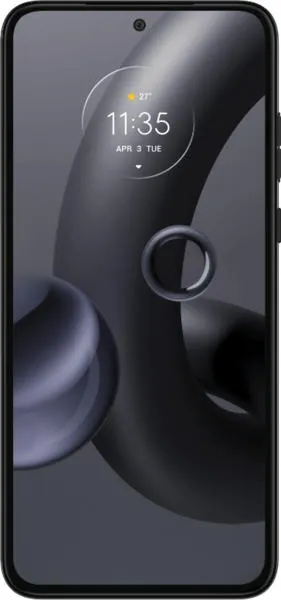
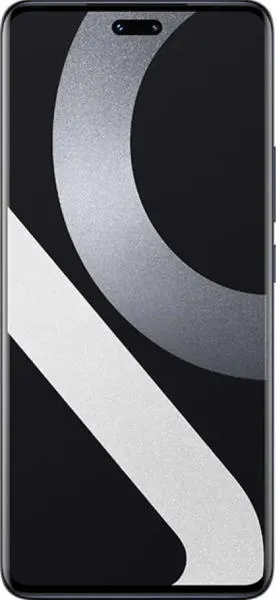
| Feature | Motorola Edge 30 Neo | Xiaomi 13 Lite | Real-World Implications |
|---|---|---|---|
| Design | |||
| Dimensions (mm) | 152.9 x 71.2 x 7.8 | 159.2 x 72.7 x 7.2 | Xiaomi is taller and wider, Motorola significantly thinner |
| Weight (g) | 155 | 171 | Motorola is noticeably lighter |
| Display | |||
| Type | P-OLED, 120Hz | AMOLED, 120Hz | Both offer smooth scrolling; color reproduction may vary slightly due to different underlying technologies. Xiaomi offers Dolby Vision and HDR10+ for enhanced video playback quality. |
| Size | 6.28" | 6.55" | Xiaomi has a larger screen for more immersive content |
| Resolution | 1080 x 2400 | 1080 x 2400 | Sharpness is comparable due to similar pixel density, though Xiaomi's larger display might show individual pixels slightly more easily. |
| Performance | |||
| Chipset | Snapdragon 695 | Snapdragon 7 Gen 1 | Xiaomi boasts a more powerful and efficient processor, resulting in smoother multitasking and better gaming performance. |
| CPU | Octa-core (2.2 GHz) | Octa-core (2.4 GHz) | Xiaomi's higher clock speed indicates faster processing |
| GPU | Adreno 619 | Adreno 644 | Xiaomi offers superior graphics performance |
| RAM | 8GB | 8GB | Both offer ample RAM for smooth multitasking |
| Camera | |||
| Main Camera | 64MP | 50MP | While Motorola has higher resolution, Xiaomi uses a larger Sony IMX766 sensor known for better low-light performance and dynamic range. |
| Selfie Camera | 32MP | 32MP + 8MP Depth | Xiaomi includes a depth sensor for improved portrait mode. |
| Battery Life | |||
| Capacity | 4020 mAh | 4500 mAh | Xiaomi offers a larger battery capacity, likely translating to longer usage time. |
2. Key Insights
The Xiaomi 13 Lite stands out with its superior performance thanks to the Snapdragon 7 Gen 1 chipset and Adreno 644 GPU. This translates to a noticeably smoother experience for demanding tasks like gaming and multitasking. It also boasts a larger battery and a more advanced main camera sensor. The dual front-facing cameras, including a depth sensor, suggest superior portrait selfies. The display supports Dolby Vision and HDR10+, enhancing video quality significantly.
The Motorola Edge 30 Neo, however, shines in its compact and lightweight design. It's significantly thinner and lighter than the Xiaomi, making it more pocketable and comfortable for one-handed use. While its processor is less powerful, it's still capable of handling everyday tasks efficiently. It also offers incredibly fast charging speeds (68W), getting you back to full power quickly.
3. User Profiles and Recommendations
Xiaomi 13 Lite: Ideal for users who prioritize performance, a vibrant display with HDR support, and longer battery life. Gamers, content creators, and heavy multimedia users would appreciate its capabilities.
Motorola Edge 30 Neo: Perfect for users who value a compact and lightweight phone without sacrificing essential features. Its stylish design and comfortable handling make it a great choice for those seeking a sleek and portable device. The fast charging is a huge bonus for busy individuals.
4. Buying Decision Framework
- What matters most: performance or portability? If you need a powerful phone for demanding tasks, the Xiaomi is the winner. If a slim, lightweight design is paramount, choose the Motorola.
- How important is battery life? The Xiaomi's larger battery likely provides longer usage on a single charge.
- What is your budget? Consider the price difference between the two models and assess whether the Xiaomi's performance upgrade justifies the extra cost.
My Choice: Xiaomi 13 Lite
While I appreciate the Motorola Edge 30 Neo's sleek design and portability, the Xiaomi 13 Lite's superior performance, larger battery, and advanced camera features make it the more compelling choice for me. The Snapdragon 7 Gen 1 is a significant upgrade, promising a smoother and more responsive user experience. As someone who frequently uses their phone for photography and multitasking, the Xiaomi's capabilities align better with my needs. The improved display technology with Dolby Vision and HDR10+ is a significant advantage for media consumption, a key factor for me. Though heavier and larger, the trade-off for performance and features is worthwhile in my opinion.
