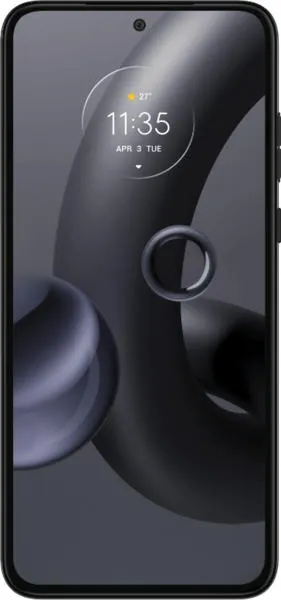
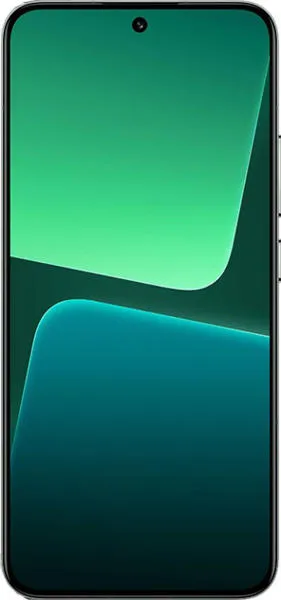
Let's dive into a comparative analysis of the Motorola Edge 30 Neo and the Xiaomi 13, dissecting their technical specifications and translating them into real-world user experiences.
1. Specifications Breakdown
| Feature | Motorola Edge 30 Neo | Xiaomi 13 | Real-World Implications |
|---|---|---|---|
| Design | |||
| Dimensions (mm) | 152.9 x 71.2 x 7.8 | 152.8 x 71.5 x 8 | Neo is slightly thinner. Xiaomi 13 might feel a tad more substantial in hand. |
| Weight (g) | 155 | 185 | Neo is significantly lighter, enhancing one-handed use and portability. |
| Display | |||
| Type | P-OLED, 120Hz | AMOLED, 120Hz | Both offer smooth scrolling and animations. AMOLED generally offers deeper blacks. |
| Size (inches) | 6.28 | 6.36 | Negligible difference in screen real estate. |
| Resolution | 1080 x 2400 | 1080 x 2400 | Identical sharpness. |
| Peak Brightness | N/A | 1900 nits | Xiaomi 13's vastly superior peak brightness ensures excellent outdoor visibility. |
| HDR | No | Dolby Vision, HDR10+ | Xiaomi 13 provides a richer, more dynamic viewing experience for HDR content. |
| Performance | |||
| Chipset | Snapdragon 695 | Snapdragon 8 Gen 2 | Xiaomi 13 boasts significantly faster processing, enabling smoother multitasking and gaming. |
| CPU | Octa-core (2.2 GHz) | Octa-core (3.2 GHz) | Xiaomi 13's higher clock speeds translate to noticeable performance gains. |
| GPU | Adreno 619 | Adreno 740 | Xiaomi 13 offers a substantial leap in graphics performance for demanding games. |
| RAM | 8GB | 8GB/12GB | Xiaomi 13 offers a 12GB RAM option for even more aggressive multitasking. |
| Camera | |||
| Main Camera | 64MP, f/1.8 | 50MP, f/1.8 | Xiaomi 13 utilizes a larger sensor (Sony IMX800) known for excellent image quality. |
| Ultrawide | 13MP, f/2.2 | 12MP, f/2.2 | Comparable ultrawide capabilities. |
| Telephoto | None | 10MP, f/2.0 | Xiaomi 13 offers optical zoom, absent in the Neo. |
| Video | 1080p@120fps | 8K@24fps | Xiaomi 13 capable of significantly higher resolution video recording. |
| Battery Life | |||
| Capacity | 4020 mAh | 4500 mAh | Xiaomi 13 has a larger battery, potentially leading to longer battery life. |
2. Key Insights
- Performance: The Xiaomi 13 is a clear winner in terms of raw performance, thanks to its flagship Snapdragon 8 Gen 2 processor. The Edge 30 Neo, with its Snapdragon 695, is sufficient for everyday tasks but will struggle with demanding applications and games.
- Display: While both phones have 120Hz refresh rates, the Xiaomi 13's AMOLED display with HDR10+ and Dolby Vision support, coupled with its exceptional brightness, delivers a superior visual experience.
- Camera: The Xiaomi 13 boasts a more versatile camera system with a larger main sensor, an optical zoom lens, and superior video recording capabilities. The Edge 30 Neo's camera is respectable for its price but lacks the Xiaomi 13's advanced features and overall image quality.
- Portability: The Edge 30 Neo's significantly lighter weight makes it more comfortable for extended use and one-handed operation.
3. User Profiles and Recommendations
- Motorola Edge 30 Neo: Best suited for budget-conscious users who prioritize portability and a smooth user experience for everyday tasks like browsing, social media, and light gaming. Its vibrant color options also make it appealing to style-conscious individuals.
- Xiaomi 13: Ideal for power users, mobile gamers, and photography enthusiasts who demand top-tier performance, a stunning display, and a versatile camera system.
4. Buying Decision Framework
- What is your budget? The Edge 30 Neo is significantly more affordable.
- What are your performance needs? For demanding tasks and gaming, the Xiaomi 13 is essential.
- What are your photography priorities? The Xiaomi 13 offers superior camera versatility and quality.
My Choice: Xiaomi 13
While the Motorola Edge 30 Neo offers excellent value for its price, I would choose the Xiaomi 13. As a tech journalist who frequently uses demanding applications, captures photos and videos, and values a premium visual experience, the Xiaomi 13's superior performance, stunning display, and versatile camera system are compelling. The higher price is justified by the significant jump in capabilities. The slight increase in size and weight is a minor trade-off for the substantial gains in overall user experience. I appreciate having a device that can handle anything I throw at it, from intensive multitasking to high-end mobile gaming and capturing professional-quality photos.
