Motorola Edge 30 Neo vs. vivo V30: A Deep Dive for the Discerning Smartphone User
The mid-range smartphone market is fiercely competitive, with manufacturers vying for your attention with compelling features and attractive price points. Today, we'll dissect two contenders: the Motorola Edge 30 Neo and the vivo V30. We'll go beyond the spec sheet, translating technical jargon into real-world implications to help you decide which phone fits your lifestyle.
1. Specifications Breakdown
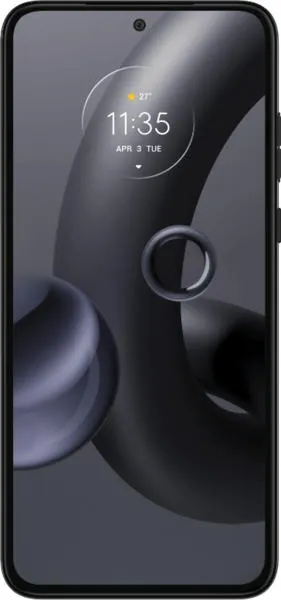
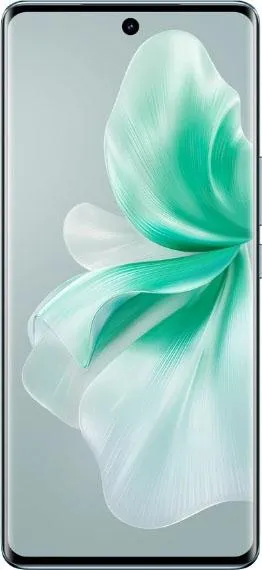
| Feature | Motorola Edge 30 Neo | vivo V30 | Real-World Implications |
|---|---|---|---|
| Design | |||
| Dimensions (mm) | 152.9 x 71.2 x 7.8 | 164.4 x 75.1 x 7.5 | Neo is noticeably smaller and more pocketable; V30 boasts a larger screen presence. |
| Weight (g) | 155 | 186 | Neo is significantly lighter, reducing hand fatigue during extended use. |
| Display | |||
| Type/Refresh Rate | 6.28" P-OLED, 120Hz | 6.78" AMOLED, 120Hz | Both offer smooth scrolling and animations; V30's larger AMOLED might deliver richer colors and deeper blacks. |
| Resolution | 1080 x 2400 | 1260 x 2800 | V30 has a sharper display due to higher resolution and pixel density. |
| Performance | |||
| Chipset | Snapdragon 695 5G | Snapdragon 7 Gen 3 | V30's newer, more powerful processor will handle demanding tasks and gaming with greater ease. |
| RAM | 8GB | 8GB | Both offer ample RAM for multitasking; however, the V30's superior processor will make multitasking feel smoother. |
| OS | Android 12 (up to 15) | Android 14 (up to 16) | V30 ships with a newer Android version, potentially offering more features and longer software support. |
| Camera | |||
| Main Camera | 64MP, f/1.8 | 50MP, f/1.88 | Megapixel count isn't everything; real-world image quality will depend on sensor size, processing, and lens quality. V30 uses a slightly larger sensor which could translate to better low light photography. |
| Selfie Camera | 32MP, f/2.4 | 50MP, f/2.0 | V30's higher resolution selfie camera with a wider aperture (f/2.0) suggests superior low-light selfie performance. |
| Video | 1080p@120fps | 4K@30fps | V30 can record in higher resolution; Neo offers higher frame rate slow-motion at 1080p. |
| Battery Life | |||
| Capacity | 4020 mAh | 5000 mAh | V30's significantly larger battery capacity suggests longer usage time on a single charge. |
2. Key Insights
- Performance: The vivo V30 is the clear winner in processing power, thanks to the Snapdragon 7 Gen 3. This translates to smoother gaming, faster app loading, and a more responsive overall experience.
- Display: While both offer 120Hz refresh rates, the V30's larger AMOLED with higher resolution and HDR10+ support provides a more immersive visual experience.
- Battery: The V30's 5000mAh battery significantly outpaces the Neo's 4020mAh, meaning you'll likely get a full day of heavy use without needing a recharge.
- Portability: The Motorola Edge 30 Neo is smaller and lighter, making it more comfortable for one-handed use and pocket carry.
- Software: The vivo V30 ships with a more recent version of Android, suggesting longer software updates and access to newer features.
3. User Profiles and Recommendations
- Motorola Edge 30 Neo: Ideal for users prioritizing portability, style (due to its smaller size and vibrant color options), and a smooth user experience for everyday tasks. Its lower price point also makes it a strong value proposition.
- vivo V30: Best suited for power users, gamers, and multimedia enthusiasts who demand top-tier performance, a stunning display, long battery life, and the latest Android features.
4. Buying Decision Framework
- What is your budget? The Edge 30 Neo is generally more affordable.
- What are your performance needs? Gamers and heavy multitaskers will appreciate the V30's superior processing power.
- How important is battery life? The V30's larger battery is a significant advantage for all-day use.
My Choice: I would choose the vivo V30. While I appreciate the portability of the Edge 30 Neo, the V30's significant advantages in performance, display, and battery life are compelling. As someone who values a future-proof device with a smooth, responsive experience, the V30's Snapdragon 7 Gen 3 and larger battery outweigh the Neo's smaller form factor. The longer software support implied by the newer Android version is also a significant factor in my decision. I'm willing to compromise slightly on portability for a significantly enhanced overall user experience.
