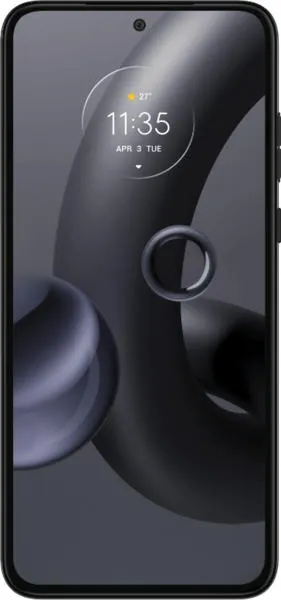
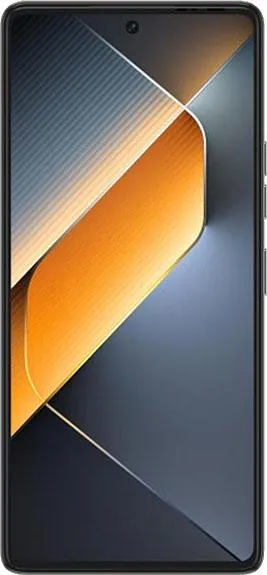
Motorola Edge 30 Neo vs. Tecno Pova 6 Pro: A Detailed Comparison
Let's dive into a head-to-head comparison of the Motorola Edge 30 Neo and the Tecno Pova 6 Pro, dissecting their specs and uncovering what they truly offer in real-world usage.
1. Specifications Breakdown
| Feature | Motorola Edge 30 Neo | Tecno Pova 6 Pro | Real-World Implications |
|---|---|---|---|
| Design | |||
| Dimensions (mm) | 152.9 x 71.2 x 7.8 | 165.5 x 76.1 x 7.9 | Edge 30 Neo is significantly more compact and pocketable. Pova 6 Pro is larger, potentially less comfortable for one-handed use. |
| Weight (g) | 155 | 198 | Edge 30 Neo is noticeably lighter, reducing hand fatigue during extended use. |
| Display | |||
| Type | P-OLED, 120Hz | AMOLED, 120Hz | Both offer smooth scrolling and animations. AMOLED generally delivers deeper blacks and higher contrast. |
| Size | 6.28" | 6.78" | Pova 6 Pro provides a larger screen for media consumption, but may feel cumbersome for some. |
| Resolution | 1080 x 2400 | 1080 x 2436 | Similar sharpness; difference is negligible in daily use. |
| Performance | |||
| Chipset | Snapdragon 695 5G | Dimensity 6080 | Both are mid-range chipsets, but Dimensity 6080 generally offers slightly better performance in benchmarks. Real-world difference may vary. |
| CPU | Octa-core (2x2.2 GHz & 6x1.7 GHz) | Octa-core (2x2.4 GHz & 6x2.0 GHz) | Pova 6 Pro likely has a slight edge in processing power, especially for demanding tasks. |
| RAM | 8GB | 12GB (as tested) | Pova 6 Pro's larger RAM enables better multitasking and app switching. |
| Camera | |||
| Main | 64MP | 108MP | Pova 6 Pro boasts higher resolution, potentially capturing more detail. Image quality depends on various factors, not just megapixels. |
| Selfie | 32MP | 32MP | Similar selfie camera resolution. |
| Battery Life | |||
| Capacity | 4020 mAh | 6000 mAh | Pova 6 Pro's significantly larger battery promises much longer usage time between charges. |
2. Key Insights
- Portability vs. Screen Real Estate: The Edge 30 Neo prioritizes portability with its compact and lightweight design, while the Pova 6 Pro offers a larger display for immersive media consumption.
- Performance Prowess: The Pova 6 Pro, with its Dimensity 6080 chipset and larger RAM, likely delivers a smoother experience, especially when multitasking or running demanding applications. However, the Snapdragon 695 in the Edge 30 Neo is no slouch and should handle everyday tasks with ease.
- Camera Capabilities: While the Pova 6 Pro boasts a 108MP main camera, megapixel count doesn't tell the whole story. Real-world image quality will depend on factors like sensor size, image processing, and lens quality. The Edge 30 Neo's 64MP camera could still produce excellent results.
- Endurance Champion: The Pova 6 Pro's massive 6000mAh battery is a clear winner in the battery life department, promising significantly longer usage time compared to the Edge 30 Neo.
3. User Profiles and Recommendations
- Edge 30 Neo: Ideal for users who prioritize a compact and lightweight phone that's easy to carry and use with one hand. Excellent choice for those seeking a balance of style, performance, and portability.
- Pova 6 Pro: Best suited for power users who demand long battery life and a large screen for gaming, media consumption, and multitasking. A strong contender for those who prioritize performance and endurance above all else.
4. Buying Decision Framework
- What matters most: portability or screen size? If you value a compact and lightweight phone, the Edge 30 Neo is the clear winner. If a large screen for immersive experiences is paramount, choose the Pova 6 Pro.
- How important is battery life? If all-day battery life or even multi-day usage is a critical requirement, the Pova 6 Pro's massive battery is a compelling advantage.
- What's your budget? Consider the price difference between the two phones and weigh it against the features and performance you need. The Pova 6 Pro, as tested with 12GB of RAM, is generally more expensive. The Edge 30 Neo often offers a more attractive price-to-performance ratio, especially in its 8GB/128GB configuration.
My Choice: I would personally choose the Motorola Edge 30 Neo. While the Pova 6 Pro offers impressive specs on paper, especially the battery and larger RAM, I highly value portability and a comfortable in-hand feel. The Edge 30 Neo's compact design, coupled with its capable performance and stylish aesthetics, aligns more closely with my personal preferences. The significantly lighter weight is a major factor for me. While the Pova 6 Pro's huge battery is tempting, I prioritize the ergonomics and ease of use offered by the smaller, lighter Edge 30 Neo. Plus, the Edge 30 Neo's price is typically more appealing for the features offered.
