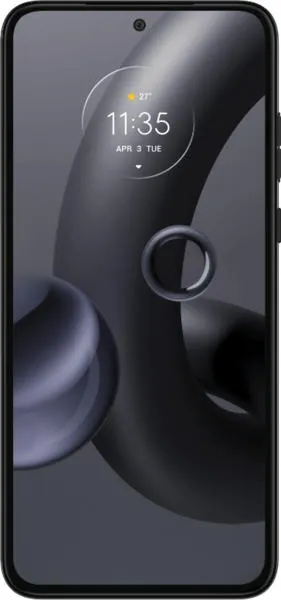
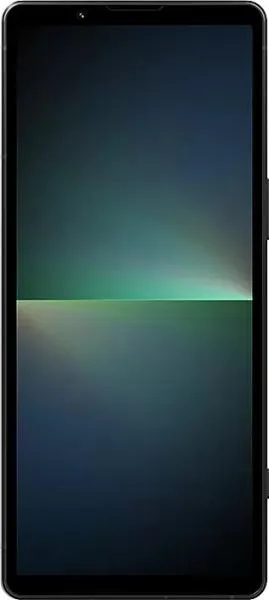
Let's dive into a comparative analysis of the Motorola Edge 30 Neo and the Sony Xperia 5 V, dissecting their technical specifications and translating them into real-world implications for you.
1. Specifications Breakdown
| Feature | Motorola Edge 30 Neo | Sony Xperia 5 V | Real-World Implications |
|---|---|---|---|
| Design | |||
| Dimensions (mm) | 152.9 x 71.2 x 7.8 | 154 x 68 x 8.6 | Xperia 5 V is slightly taller and thicker, Edge 30 Neo is narrower. Noticeable in hand. |
| Weight (g) | 155 | 182 | Xperia 5 V is significantly heavier; impacts one-handed use and pocket comfort. |
| Display | |||
| Type | P-OLED, 120Hz | OLED, 120Hz | Both offer smooth scrolling and animations. OLED generally boasts better contrast and blacks. |
| Size (inches) | 6.28 | 6.1 | Negligible size difference; both suitable for one-handed use (though weight differs). |
| Resolution | 1080 x 2400 | 1080 x 2520 | Similar sharpness; Xperia 5 V slightly denser due to smaller screen, but practically indistinguishable. |
| Performance | |||
| Chipset | Snapdragon 695 5G | Snapdragon 8 Gen 2 | Xperia 5 V dramatically outperforms in CPU and GPU intensive tasks: gaming, video editing, etc. |
| RAM | 8GB | 8GB | Same RAM; multitasking should be comparable, but Xperia's superior processor provides headroom. |
| Camera | |||
| Main Sensor | 64MP, f/1.8 | 48MP, f/1.9 | Xperia 5 V utilizes a larger sensor, potentially capturing more light in low-light conditions. |
| Video | 1080p@120fps | 4K@120fps | Xperia 5 V offers significantly higher resolution and frame rate video recording capabilities. |
| Battery Life | |||
| Capacity (mAh) | 4020 | 5000 | Xperia 5 V has a considerably larger battery, likely resulting in longer usage time. |
2. Key Insights
The Sony Xperia 5 V is the clear powerhouse here, boasting a flagship Snapdragon 8 Gen 2 processor that eclipses the Motorola Edge 30 Neo's mid-range Snapdragon 695. This translates to significantly faster performance in demanding applications, smoother gaming, and quicker multitasking. The Xperia 5 V also shines with its superior camera capabilities, offering 4K video recording at 120fps and a larger main camera sensor, potentially delivering better low-light performance. Its substantially larger battery also promises extended usage time.
The Motorola Edge 30 Neo counters with its lighter and more compact design, making it more pocketable and comfortable for extended one-handed use. While its performance is respectable for everyday tasks, it won't match the Xperia 5 V in demanding scenarios. The Edge 30 Neo also offers a vibrant P-OLED display with a 120Hz refresh rate, ensuring a smooth and responsive user experience.
3. User Profiles and Recommendations
Motorola Edge 30 Neo: Ideal for users prioritizing portability, comfortable one-handed use, and a smooth display experience for everyday tasks like web browsing, social media, and light gaming. Its attractive price point makes it a compelling option for budget-conscious consumers.
Sony Xperia 5 V: Perfect for power users, mobile gamers, content creators, and anyone demanding top-tier performance, exceptional camera quality, and long battery life. The premium price tag reflects its flagship-level capabilities.
4. Buying Decision Framework
- What is your budget? The Edge 30 Neo offers excellent value for its price, while the Xperia 5 V commands a flagship price.
- What are your primary use cases? For everyday tasks, the Edge 30 Neo suffices. For demanding applications and content creation, the Xperia 5 V excels.
- Do you prioritize portability and one-handed use? The Edge 30 Neo is lighter and more compact.
My Choice: Sony Xperia 5 V
While the Motorola Edge 30 Neo offers great value, I would choose the Sony Xperia 5 V. As a tech journalist constantly testing demanding applications and pushing devices to their limits, the raw power of the Snapdragon 8 Gen 2, coupled with the superior camera capabilities and extended battery life, are essential. The slightly larger size and weight are a trade-off I'm willing to make for the significant performance gains and future-proofing that the Xperia 5 V provides. Its advanced camera system, capable of capturing stunning 4K slow-motion footage, is particularly enticing for documenting events and capturing detailed video reviews. Ultimately, the Xperia 5 V aligns better with my needs as a power user and content creator.
