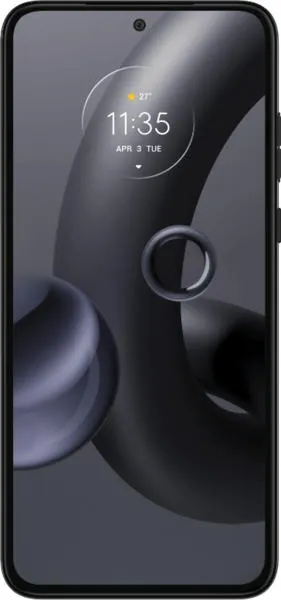
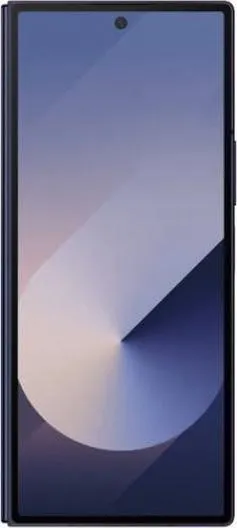
Let's dive into a comparative analysis of the Motorola Edge 30 Neo and the Samsung Galaxy Z Fold6. These two phones occupy distinct segments of the market, catering to different needs and priorities.
1. Specifications Breakdown
| Feature | Motorola Edge 30 Neo | Samsung Galaxy Z Fold6 | Real-World Implications |
|---|---|---|---|
| Design | |||
| Dimensions | 152.9 x 71.2 x 7.8 mm | 153.5 x 132.6 x 5.6 mm (Folded) | Fold6's unique folding design offers portability and a larger screen when unfolded. |
| Weight | 155g | 239g | Edge 30 Neo is significantly lighter, ideal for one-handed use. Fold6 is heavier due to its complex hinge mechanism. |
| Foldable | No | Yes | Fold6 transforms from a phone to a mini-tablet, enabling multitasking and content consumption. |
| Display | |||
| Size | 6.28" | 7.6" (Main), 6.3" (Cover) | Fold6 offers significantly more screen real estate for productivity and media. |
| Type | P-OLED, 120Hz | Foldable Dynamic AMOLED 2X, 120Hz | Both offer smooth scrolling and vibrant colors. Fold6's AMOLED potentially delivers deeper blacks. |
| Resolution | 1080 x 2400 | 2160 x 1856(Main) 2376 x 968 (Cover) | Fold6 boasts a sharper display, especially noticeable when viewing high-resolution content. |
| Performance | |||
| Chipset | Snapdragon 695 5G | Snapdragon 8 Gen 3 | Fold6 packs a flagship processor, translating to significantly faster performance and smoother multitasking. |
| RAM | 8GB | 12GB | Fold6's larger RAM enables seamless app switching and handling demanding tasks without slowdown. |
| Camera | |||
| Main Camera | 64MP | 50MP | While Fold6 has a slightly lower resolution, image quality likely depends more on sensor and processing. |
| Zoom | Digital | Optical 3x, Digital 30x | Fold6 offers true optical zoom for clearer zoomed-in shots. |
| Battery Life | |||
| Capacity | 4020 mAh | 4400 mAh | Fold6's larger battery is needed to power the larger display and demanding processor, actual battery life will vary with usage. |
2. Key Insights
- Performance: The Fold6's Snapdragon 8 Gen 3 significantly outperforms the Edge 30 Neo's Snapdragon 695. This translates to a smoother experience in demanding tasks, gaming, and multitasking.
- Display: The Fold6's foldable AMOLED display is a game-changer, offering a tablet-like experience in a pocketable device. While the Edge 30 Neo's P-OLED display is competent, it can't match the Fold6's size or unique functionality.
- Portability: The Edge 30 Neo prioritizes portability with its lightweight and slim design. The Fold6, while pocketable when folded, is noticeably heavier and bulkier.
- Price: The Edge 30 Neo is positioned as a mid-range device, while the Fold6 sits firmly in the premium flagship category, reflecting the cutting-edge technology it offers.
3. User Profiles and Recommendations
- Edge 30 Neo: Ideal for users seeking a stylish, lightweight phone with good battery life and a vibrant display for everyday tasks. It's a great option for those prioritizing affordability and portability.
- Fold6: Perfect for power users, multitaskers, and content creators who crave a larger screen and top-tier performance. The folding screen opens up new possibilities for productivity and entertainment.
4. Buying Decision Framework
- Budget: Are you looking for a mid-range or premium flagship device?
- Priorities: Do you value portability and one-handed use, or a larger screen for multitasking and media consumption?
- Performance Needs: Do you require top-tier processing power for demanding tasks and gaming, or is good enough performance sufficient for everyday use?
My Choice: I would choose the Samsung Galaxy Z Fold6. While the price is significantly higher, the innovative folding screen technology, coupled with the flagship performance, aligns perfectly with my needs as a tech journalist. The ability to seamlessly transition from a phone to a mini-tablet for content creation, multitasking, and media consumption is invaluable. The superior performance ensures a smooth and efficient workflow, crucial for staying on top of the fast-paced tech world. Though the added weight is a consideration, the benefits of the larger display and powerful processor outweigh the trade-off for me. The Edge 30 Neo is a compelling mid-range option, but the Fold6's groundbreaking technology and top-tier specs make it the clear winner for my specific requirements.
