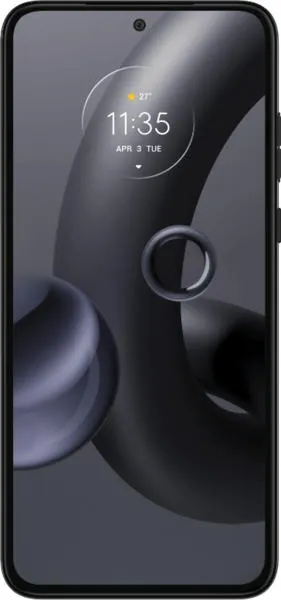
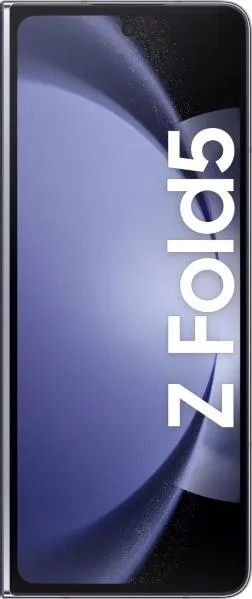
Let's dive into a comparative analysis of the Motorola Edge 30 Neo and the Samsung Galaxy Z Fold5. These two phones occupy distinct spaces in the market, catering to different needs and priorities.
1. Specifications Breakdown
| Feature | Motorola Edge 30 Neo | Samsung Galaxy Z Fold5 | Real-World Implications |
|---|---|---|---|
| Design | |||
| Dimensions (mm) | 152.9 x 71.2 x 7.8 | 154.9 x 129.9 x 6.1 (Folded); 154.9 x 67.1 x 13.4 (Unfolded) | Fold5 significantly larger when unfolded, offering tablet-like functionality; Neo more pocketable. |
| Weight (g) | 155 | 253 | Neo noticeably lighter, contributing to greater one-handed comfort. |
| Foldable | No | Yes | Fold5's folding screen enables unique multitasking and viewing experiences. |
| Display | |||
| Size (inches) | 6.28 | 7.6 (Main); 6.2 (Cover) | Fold5 boasts a significantly larger main display for immersive content consumption. |
| Resolution (px) | 1080 x 2400 | 2176 x 1812 (Main); 2316 x 904 (Cover) | Fold5 offers higher resolution on its main display, resulting in sharper visuals. |
| Type | P-OLED | Dynamic AMOLED 2X | Both offer vibrant colors and deep blacks; Fold5 likely brighter with potentially better HDR. |
| Refresh Rate (Hz) | 120 | 120 | Both deliver smooth scrolling and animations. |
| Performance | |||
| Chipset | Snapdragon 695 5G | Snapdragon 8 Gen 2 | Fold5 significantly more powerful, handling demanding tasks and gaming with ease. |
| CPU | Octa-core (2.2 GHz) | Octa-core (3.36 GHz) | Fold5 provides noticeably faster processing speeds and smoother multitasking. |
| RAM (GB) | 8 | 12 | Fold5's larger RAM enables better multitasking and app switching. |
| Camera | |||
| Main Camera (MP) | 64 | 50 | Both offer high-resolution main sensors; image quality depends on processing and sensor specifics. |
| Front Camera (MP) | 32 | 10 (Cover); 4 (Under-display) | Neo offers a higher-resolution selfie camera; Fold5 offers more versatile placement options. |
| Battery Life | |||
| Capacity (mAh) | 4020 | 4400 | Fold5 has a slightly larger battery; actual battery life depends on usage patterns. |
2. Key Insights
Motorola Edge 30 Neo: This phone prioritizes portability and affordability. Its compact design, lightweight build, and vibrant P-OLED display make it a great option for one-handed use and media consumption on the go. However, its mid-range processor limits its performance capabilities for demanding tasks and gaming.
Samsung Galaxy Z Fold5: This is a premium, flagship device offering a unique foldable experience. Its large, high-resolution main display provides a tablet-like experience for productivity and entertainment. The powerful Snapdragon 8 Gen 2 processor ensures smooth performance, even with demanding applications. However, its size, weight, and price point might not be suitable for all users.
3. User Profiles and Recommendations
Edge 30 Neo: Ideal for users seeking a stylish, compact, and affordable phone for everyday use, social media, and light gaming. Suitable for those who prioritize portability and value.
Galaxy Z Fold5: Best suited for power users, multitaskers, and content creators who value a large screen for productivity and immersive experiences. A good choice for those who embrace cutting-edge technology and are willing to pay a premium.
4. Buying Decision Framework
- What is your budget? The Fold5 is significantly more expensive than the Edge 30 Neo.
- Do you prioritize portability or screen real estate? The Neo is more compact and pocketable, while the Fold5 offers a larger, foldable display.
- What are your performance needs? The Fold5 offers significantly more processing power for demanding tasks and gaming.
My Choice:
While I admire the technological marvel of the Z Fold5, I would personally choose the Motorola Edge 30 Neo. As a tech journalist who values portability and practicality, the Neo's compact form factor and lighter weight resonate more with my daily needs. I prioritize a phone that comfortably fits in my pocket and can be easily used with one hand. While the Fold5 offers incredible screen real estate and performance, those features don't outweigh the benefits of portability and affordability for my personal use case. I'm also conscious of the significant price difference; the Neo offers excellent value for its capabilities. Ultimately, the best choice depends on individual priorities and needs, but for me, the Neo strikes the right balance.
