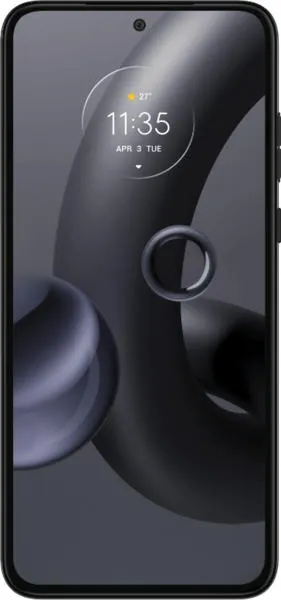

Motorola Edge 30 Neo vs. Samsung Galaxy Tab S9 FE+: A Deep Dive
Let's dissect the Motorola Edge 30 Neo and the Samsung Galaxy Tab S9 FE+, two devices occupying the "medium price" range but catering to vastly different needs. One's a pocket-friendly smartphone, the other a spacious tablet. This comparison goes beyond the spec sheet, exploring how these differences translate to real-world use.
1. Specifications Breakdown
| Feature | Motorola Edge 30 Neo | Samsung Galaxy Tab S9 FE+ | Real-World Implications |
|---|---|---|---|
| Design | |||
| Dimensions (mm) | 152.9 x 71.2 x 7.8 | 285.4 x 185.4 x 6.5 | Neo: Pocketable, one-handed use; S9 FE+: Larger footprint, two-handed operation, media consumption |
| Weight (g) | 155 | 627 | Neo: Light and comfortable; S9 FE+: Noticeably heavier, less portable |
| Display | |||
| Size (inches) | 6.28 | 12.4 | Neo: Standard smartphone size; S9 FE+: Expansive for multitasking, media, creativity |
| Resolution (px) | 1080 x 2400 | 1600 x 2560 | Both sharp, but S9 FE+ offers more screen real estate |
| Type | P-OLED, 120Hz | IPS LCD, 90Hz | Neo: Vivid colors, deeper blacks, smoother scrolling; S9 FE+: Wider viewing angles, less battery drain |
| Performance | |||
| Chipset | Snapdragon 695 5G | Exynos 1380 | S9 FE+: More powerful for demanding tasks and multitasking |
| RAM (GB) | 8 | 8/12 | Sufficient for most tasks on both; 12GB on S9 FE+ benefits heavy users |
| OS | Android 12 (up to 15) | Android 13 (up to 17) | Neo: Slightly older, but upgradable; S9 FE+: Newer, longer software support |
| Camera | |||
| Rear | 64MP + 13MP | 12MP+8MP | Neo: Higher resolution main sensor; Image quality comparison needs real-world testing |
| Selfie | 32MP | 8MP | Neo: Higher resolution for selfies |
| Battery Life | |||
| Capacity (mAh) | 4020 | 10090 | S9 FE+: Significantly larger battery, expected to last much longer |
2. Key Insights
- Portability vs. Productivity: The Neo prioritizes portability, slipping easily into pockets. The S9 FE+ sacrifices portability for a larger canvas ideal for multitasking, media consumption, and creative endeavors.
- Display Trade-offs: The Neo's P-OLED delivers vibrant colors and inky blacks, enhanced by a 120Hz refresh rate for smooth scrolling. The S9 FE+'s IPS LCD offers wider viewing angles and potentially better battery efficiency, but lacks the punchy contrast of OLED.
- Performance Muscle: The Exynos 1380 in the S9 FE+ is the clear winner in processing power, enabling smoother performance in demanding applications and heavy multitasking. The Snapdragon 695 in the Neo is capable for everyday tasks but may struggle with intensive workloads.
- Camera Considerations: On paper, the Neo boasts higher resolution sensors. However, megapixels don't tell the whole story. Real-world image quality depends on factors like sensor size, processing, and software optimization, requiring hands-on testing for a definitive comparison. The S9 FE+'s cameras are geared towards casual use rather than professional photography.
- Battery Endurance: The massive 10090mAh battery in the S9 FE+ promises significantly longer usage time compared to the Neo's 4020mAh battery. This is a crucial advantage for users who demand all-day battery life.
3. User Profiles and Recommendations
- Motorola Edge 30 Neo: Ideal for users who prioritize a compact, lightweight phone with a vibrant display and good performance for everyday tasks. Suitable for social media, web browsing, casual gaming, and photography.
- Samsung Galaxy Tab S9 FE+: Best suited for users who value a large screen for productivity, media consumption, creative work (drawing, note-taking), and multitasking. Excellent for students, artists, and professionals who need a portable workstation.
4. Buying Decision Framework
- What is your primary use case? Daily communication and portability or content creation and productivity?
- How important is battery life? All-day endurance or frequent charging acceptable?
- What is your budget? While both are mid-range, the S9 FE+ will likely be more expensive.
My Choice
If I were choosing, I'd opt for the Samsung Galaxy Tab S9 FE+. While I appreciate the portability of the Edge 30 Neo, my workflow heavily relies on multitasking, content creation, and note-taking. The S9 FE+'s expansive display, powerful processor, and long battery life align perfectly with my needs. I'm willing to trade off pocketability for the significant productivity gains and immersive media experience offered by the tablet. The longer software update cycle is also a compelling factor for long-term use.
