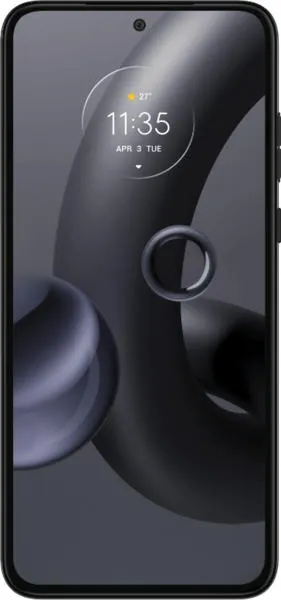
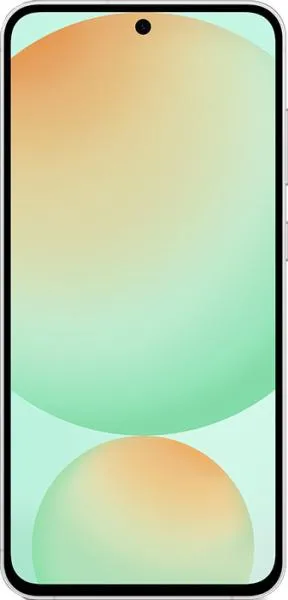
Motorola Edge 30 Neo vs. Samsung Galaxy S24 FE: A Deep Dive
Let's dissect the Motorola Edge 30 Neo and the Samsung Galaxy S24 FE, two compelling mid-range contenders vying for your attention. We'll go beyond the spec sheets to uncover what these numbers really mean for your daily life.
1. Specifications Breakdown
| Feature | Motorola Edge 30 Neo | Samsung Galaxy S24 FE | Real-World Implications |
|---|---|---|---|
| Design | |||
| Dimensions (mm) | 152.9 x 71.2 x 7.8 | 162 x 77.3 x 8 | S24 FE is larger; Neo is more pocketable. |
| Weight (g) | 155 | 213 | Neo is significantly lighter, reducing hand fatigue. |
| Display | |||
| Type | P-OLED, 120Hz | Dynamic AMOLED 2X, 120Hz | Both offer smooth scrolling; AMOLED generally boasts better contrast and color vibrancy. |
| Size | 6.28" | 6.7" | S24 FE provides more screen real estate for media consumption. |
| Resolution | 1080 x 2400 | 1080 x 2340 | Comparable sharpness; negligible difference in pixel density. |
| Peak Brightness | N/A | 1900 nits | S24 FE offers superior outdoor visibility. |
| Performance | |||
| Chipset | Snapdragon 695 5G | Exynos 2400e | S24 FE's newer, more powerful chipset delivers significantly better performance across the board. |
| CPU | Octa-core (2.2 GHz) | Deca-core (3.1 GHz) | S24 FE handles demanding tasks and multitasking with greater ease. |
| GPU | Adreno 619 | Xclipse 940 | S24 FE offers a substantial boost in graphics performance for gaming and media editing. |
| RAM | 8GB | 8GB | Comparable multitasking capabilities. |
| Camera | |||
| Main Camera | 64MP | 50MP (GN3 sensor) | S24 FE likely produces better image quality due to a larger sensor and advanced processing. |
| Ultrawide | 13MP | 13MP | Comparable ultrawide capabilities. |
| Telephoto | N/A | 8MP | S24 FE offers optical zoom for clearer distant shots. |
| Video | 1080p@120fps | 8K@30fps | S24 FE boasts significantly higher video resolution capabilities. |
| Battery Life | |||
| Capacity | 4020 mAh | 4700 mAh | S24 FE likely provides longer battery life due to larger capacity and potential optimizations. |
2. Key Insights
The Motorola Edge 30 Neo shines in its compact, lightweight design and vibrant P-OLED display. It's a great option for those seeking a comfortable one-handed experience without sacrificing smooth performance for everyday tasks.
The Samsung Galaxy S24 FE, however, is a powerhouse. Its cutting-edge Exynos processor, superior camera system with telephoto lens, brighter display, and larger battery cater to users who demand top-tier performance, excellent photography, and all-day battery life.
3. User Profiles and Recommendations
Edge 30 Neo: Ideal for users prioritizing portability, comfortable one-handed use, and stylish design. Social media enthusiasts, casual gamers, and those seeking a reliable, affordable device will find it appealing.
Galaxy S24 FE: Geared towards power users, mobile photographers, and content creators. Its robust performance, versatile camera system, and long battery life make it suitable for demanding tasks, gaming, and multimedia consumption. The inclusion of a telephoto lens opens up creative photography options.
4. Buying Decision Framework
- What is your budget? The S24 FE commands a higher price, reflecting its superior specs.
- What is your priority? Portability and ease of use (Neo) or raw power and advanced features (S24 FE)?
- What are your typical usage patterns? Light to moderate usage (Neo) or heavy usage, gaming, and content creation (S24 FE)?
My Choice: Samsung Galaxy S24 FE
While I appreciate the Edge 30 Neo's compact form factor, the Galaxy S24 FE's superior performance, versatile camera system, including the crucial telephoto lens, and enhanced battery life are decisive factors for me. As someone who pushes their phone hard with multitasking, photography, and occasional gaming, the S24 FE aligns better with my needs. The future-proofed processor and expected software update support from Samsung also contribute to its long-term value. The price difference is justified by the significant performance leap and advanced features. In the ever-evolving landscape of mobile technology, investing in a device that can handle future demands is paramount.
