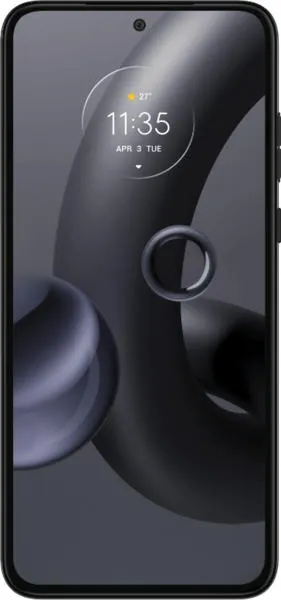
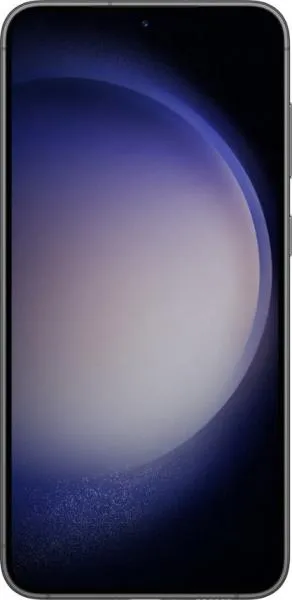
Motorola Edge 30 Neo vs. Samsung Galaxy S23+: A Real-World Comparison
Let's dive deep into a comparative analysis of the Motorola Edge 30 Neo and the Samsung Galaxy S23+, dissecting their technical specifications and translating them into practical, everyday experiences.
1. Specifications Breakdown
| Feature | Motorola Edge 30 Neo | Samsung Galaxy S23+ | Real-World Implications |
|---|---|---|---|
| Design | |||
| Dimensions (mm) | 152.9 x 71.2 x 7.8 | 157.8 x 76.2 x 7.6 | S23+ is slightly larger; Neo is more compact and pocketable. |
| Weight (g) | 155 | 196 | Neo is significantly lighter, reducing hand fatigue during extended use. |
| Display | |||
| Size (inches) | 6.28 | 6.6 | S23+ offers a larger viewing area for media consumption. |
| Resolution (px) | 1080 x 2400 | 1080 x 2340 | Virtually identical sharpness; both are crisp and detailed. |
| Type | P-OLED, 120Hz | Dynamic AMOLED 2X, 120Hz | S23+ likely has better color accuracy, brightness, and HDR performance due to AMOLED technology. |
| Performance | |||
| Chipset | Snapdragon 695 5G | Snapdragon 8 Gen 2 | S23+ boasts significantly faster processing power for demanding tasks and gaming. |
| RAM (GB) | 8 | 8 | Equal RAM capacity for multitasking, but S23+'s superior processor will handle heavy loads more efficiently. |
| Camera | |||
| Main Camera (MP) | 64 | 50 | Megapixel count isn't everything; S23+ likely has larger sensor pixels for improved low-light performance. |
| Video | 1080p@120fps | 8K@30fps | S23+ offers much higher resolution video recording capabilities. |
| Battery Life | |||
| Capacity (mAh) | 4020 | 4700 | S23+ has a larger battery, likely resulting in longer usage time. |
2. Key Insights
- Performance Disparity: The Snapdragon 8 Gen 2 in the S23+ is a flagship processor, delivering a substantial performance advantage over the mid-range Snapdragon 695 in the Neo. This translates to smoother gaming, faster app loading, and more responsive multitasking on the S23+.
- Display Nuances: While both phones have 120Hz refresh rates, the S23+'s Dynamic AMOLED 2X panel is expected to offer superior contrast, brighter visuals, and richer colors compared to the Neo's P-OLED. The S23+'s HDR10+ support further enhances the viewing experience for compatible content.
- Camera Considerations: The S23+ boasts a more versatile triple-camera system with a telephoto lens for optical zoom, and likely benefits from Samsung's advanced image processing. While the Neo's 64MP main camera might seem impressive on paper, the S23+'s larger sensor and superior optics are likely to deliver better overall image quality, especially in low light.
- Portability vs. Longevity: The Neo's lighter and more compact design prioritizes portability, while the S23+'s larger battery favors extended usage time. This represents a key trade-off for users to consider based on their individual priorities.
3. User Profiles and Recommendations
- Motorola Edge 30 Neo: Ideal for users seeking a stylish, lightweight, and affordable phone for everyday tasks like social media, web browsing, and casual photography. Its compact size makes it perfect for one-handed use.
- Samsung Galaxy S23+: Best suited for power users, mobile gamers, and photography enthusiasts who demand top-tier performance, a stunning display, and a versatile camera system.
4. Buying Decision Framework
- What is your budget? The Neo is significantly more affordable than the S23+.
- Do you prioritize performance or portability? The S23+ excels in performance; the Neo prioritizes portability.
- How important is camera quality and versatility? The S23+ offers a superior camera experience.
My Choice: Samsung Galaxy S23+
While the Motorola Edge 30 Neo offers excellent value for its price, I would choose the Samsung Galaxy S23+. The significant leap in performance with the Snapdragon 8 Gen 2, coupled with the brighter and more vibrant AMOLED display and the more versatile camera system, justifies the higher price for me. As a tech journalist who often uses demanding applications and appreciates high-quality visuals, the S23+ aligns better with my needs and priorities. The slightly larger size and weight are a trade-off I'm willing to make for the significant gains in performance and features. The longer battery life is a bonus that ensures I can stay productive throughout the day.
