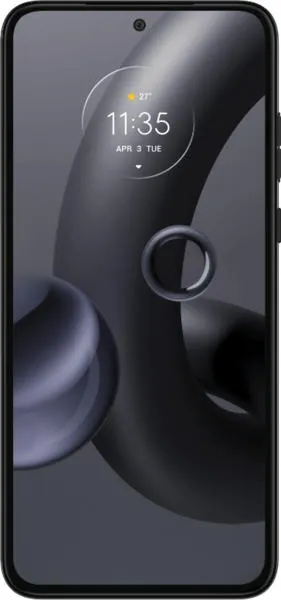
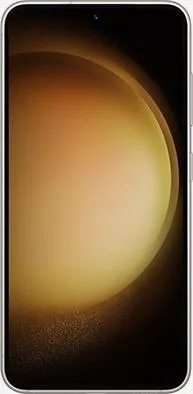
Motorola Edge 30 Neo vs. Samsung Galaxy S23: A Deep Dive
Let's dissect the Motorola Edge 30 Neo and the Samsung Galaxy S23, translating their spec sheets into real-world experiences. We'll uncover which phone reigns supreme and for whom.
1. Specifications Breakdown
| Feature | Motorola Edge 30 Neo | Samsung Galaxy S23 | Real-World Implications |
|---|---|---|---|
| Design | |||
| Dimensions (mm) | 152.9 x 71.2 x 7.8 | 146.3 x 70.9 x 7.6 | S23 is slightly more compact, potentially easier for one-handed use. |
| Weight (g) | 155 | 168 | Neo is noticeably lighter, reducing hand fatigue during extended use. |
| Display | |||
| Type | P-OLED, 120Hz | AMOLED, 120Hz | Both offer smooth scrolling and responsive gaming; AMOLED generally delivers deeper blacks and higher contrast. |
| Size (inches) | 6.28 | 6.1 | Neo provides a slightly larger screen for media consumption. |
| Resolution (px) | 1080 x 2400 | 1080 x 2340 | Virtually identical sharpness; differences are negligible in everyday use. |
| Peak Brightness | N/A | 1750 nits | S23's significantly higher brightness ensures excellent outdoor visibility. A major advantage for sunlight readability. |
| Performance | |||
| Chipset | Snapdragon 695 5G | Snapdragon 8 Gen 2 | S23 boasts a flagship processor, translating to significantly faster performance in demanding tasks, gaming, and multitasking. |
| CPU | Octa-core (2.2 GHz) | Octa-core (3.36 GHz) | S23's superior CPU architecture and clock speeds deliver a substantial performance leap. |
| GPU | Adreno 619 | Adreno 740 | S23's more powerful GPU ensures smoother gaming and faster graphics rendering. |
| RAM | 8GB | 8GB | Both offer ample RAM for everyday tasks; S23's faster processor better utilizes the RAM. |
| Camera | |||
| Main Camera (MP) | 64 | 50 | While Neo has higher resolution, S23 utilizes a larger sensor (Samsung GN5) likely resulting in better low-light performance. |
| Video | 1080p@120fps | 8K@30fps | S23 offers significantly higher video resolution capabilities. |
| Battery Life | |||
| Capacity (mAh) | 4020 | 3900 | Neo has a slightly larger battery; real-world battery life depends on optimization and usage patterns. |
2. Key Insights
The Samsung Galaxy S23 is the clear performance champion, thanks to its cutting-edge Snapdragon 8 Gen 2 processor. This translates to a blazing-fast user experience, effortless multitasking, and smooth gaming even with demanding titles. Its brighter display ensures comfortable outdoor use. The camera system, while lower in megapixel count on the main lens, likely produces superior image quality due to its advanced sensor technology.
The Motorola Edge 30 Neo shines in its lightweight design and slightly larger battery. While its processor is less powerful, it's still capable of handling everyday tasks with ease. The Neo represents excellent value, offering a solid feature set at a more accessible price point.
3. User Profiles and Recommendations
- Power User / Gamer: The Galaxy S23 is the unequivocal choice. Its flagship performance, superior camera, and bright display cater to demanding users.
- Budget-Conscious User / Casual User: The Edge 30 Neo offers excellent value. It's ideal for users who prioritize a lightweight design, long battery life, and reliable performance for everyday tasks without breaking the bank.
4. Buying Decision Framework
- What's your budget? The Neo offers significant cost savings.
- What's your performance need? Heavy multitasking and gaming? S23 is the winner.
- What are your priorities? Portability and battery life? The Neo excels here.
My Choice: Samsung Galaxy S23
While the Motorola Edge 30 Neo presents a compelling value proposition, I'd choose the Samsung Galaxy S23. As a tech journalist who often pushes devices to their limits, the raw power and future-proofing offered by the S23's Snapdragon 8 Gen 2 are irresistible. The superior camera system and brighter display further solidify its position as the better overall device for my needs, despite the higher price tag. The compact form factor is also a significant plus for me. Ultimately, the S23's performance headroom ensures a smoother, more enjoyable user experience in the long run.
