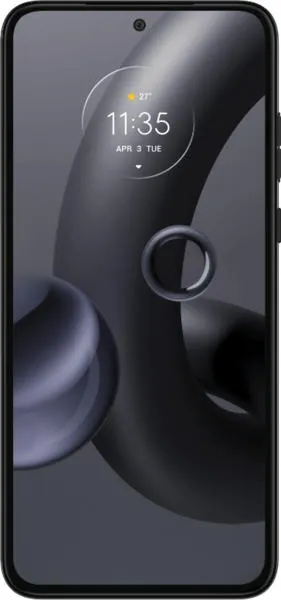
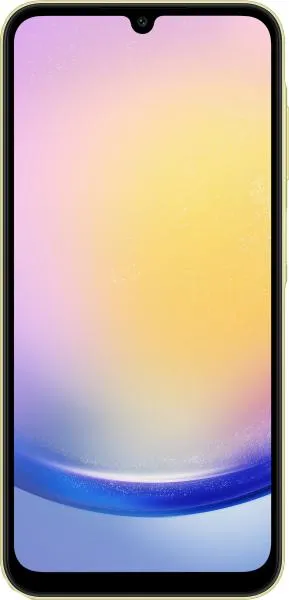
Motorola Edge 30 Neo vs. Samsung Galaxy A15: A Deep Dive
Let's dissect the Motorola Edge 30 Neo and Samsung Galaxy A15, two mid-range contenders vying for your attention. We'll go beyond the spec sheet to uncover what these numbers really mean for your daily life.
1. Specifications Breakdown
| Feature | Motorola Edge 30 Neo | Samsung Galaxy A15 | Real-World Implications |
|---|---|---|---|
| Design | |||
| Dimensions (mm) | 152.9 x 71.2 x 7.8 | 160.1 x 76.8 x 8.4 | Neo is significantly more compact and pocketable. A15 is larger, potentially less comfortable to hold. |
| Weight (g) | 155 | 200 | Neo feels lighter and less bulky in hand. |
| Display | |||
| Type | P-OLED, 120Hz | Super AMOLED, 90Hz | Neo's display offers deeper blacks and smoother animations due to the higher refresh rate. |
| Size (inches) | 6.28 | 6.5 | A15 offers slightly more screen real estate. |
| Resolution (px) | 1080 x 2400 | 1080 x 2340 | Virtually identical sharpness. |
| Performance | |||
| Chipset | Snapdragon 695 5G | Helio G99 | Both offer comparable mid-range performance, though the 695 might have a slight edge in some tasks. |
| CPU | Octa-core (2.2 GHz) | Octa-core (2.2 GHz) | Similar CPU configurations suggest comparable processing power. |
| GPU | Adreno 619 | Mali-G57 MC2 | Gaming performance might be slightly better on the Neo, but real-world differences will be subtle. |
| RAM (GB) | 8 | 6/8 | 8GB RAM on the Neo ensures smoother multitasking. A15 offers a 6GB variant, potentially impacting performance. |
| Camera | |||
| Main Camera (MP) | 64 | 50 | Neo boasts a higher resolution main sensor, potentially capturing more detail. |
| Selfie Camera (MP) | 32 | 13 | Neo's significantly higher resolution selfie camera is a clear advantage for video calls and self-portraits. |
| Battery Life | |||
| Capacity (mAh) | 4020 | 5000 | A15 packs a considerably larger battery, likely resulting in significantly longer usage time. |
| OS | Android 12 (up to 15) | Android 14 | A15 ships with a newer Android version, potentially offering more features and longer software support. |
2. Key Insights
The Motorola Edge 30 Neo shines with its compact design, vibrant 120Hz P-OLED display, and a higher-resolution camera system, especially the selfie camera. It's the sleeker, more pocketable option with a smoother user interface thanks to the higher refresh rate display.
The Samsung Galaxy A15, however, boasts a significantly larger battery and the latest Android OS out of the box. Its strength lies in endurance and potentially longer software updates. While its processor is comparable to the Neo's, the lower RAM options (4GB/6GB) might lead to performance hiccups with heavy multitasking compared to the Neo's 8GB.
3. User Profiles and Recommendations
Edge 30 Neo: Ideal for users who prioritize a compact and stylish phone with a smooth, vibrant display. Heavy social media users, mobile gamers (to an extent), and those who value a great selfie experience will appreciate the Neo.
Galaxy A15: Best suited for users who prioritize long battery life and the latest software features. If you're a light user who hates charging frequently, or you value software updates, the A15 makes more sense.
4. Buying Decision Framework
- How important is portability and one-handed use? If crucial, the Edge 30 Neo's compact form factor is the winner.
- Do you prioritize battery life above all else? The Galaxy A15's larger battery will provide significantly more uptime.
- Are you a heavy multitasker or mobile gamer? The Edge 30 Neo's 8GB RAM and slightly more powerful GPU give it an advantage.
My Choice: The Motorola Edge 30 Neo
While the Galaxy A15's battery life is tempting, I'd personally choose the Motorola Edge 30 Neo. Its compact size, vibrant 120Hz P-OLED display, and superior camera system, particularly the 32MP selfie shooter, are more compelling to me. I value a smooth, responsive user experience and a phone that easily fits in my pocket. While I acknowledge the A15's battery advantage, I'm willing to trade some battery life for the Neo's superior design, display, and camera capabilities. The higher refresh rate significantly impacts daily usage, making everything feel more fluid and responsive, which is a priority for me.
