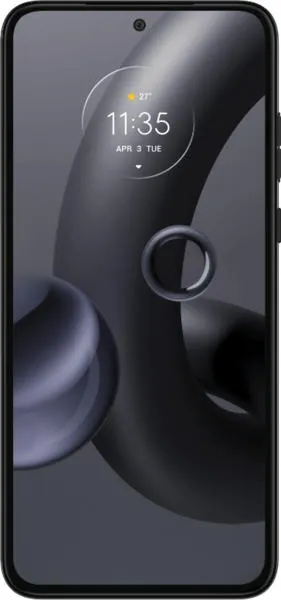

Motorola Edge 30 Neo vs. Samsung Galaxy A14 5G: A Detailed Comparison
Hello fellow tech enthusiasts! Today, we're diving deep into a comparative analysis of the Motorola Edge 30 Neo and the Samsung Galaxy A14 5G. Both phones occupy the competitive mid-range market, but their distinct specifications cater to different user preferences. Let's dissect the details and uncover which device reigns supreme.
1. Specifications Breakdown
| Feature | Motorola Edge 30 Neo | Samsung Galaxy A14 5G | Real-World Implications |
|---|---|---|---|
| Design | |||
| Dimensions (mm) | 152.9 x 71.2 x 7.8 | 167.7 x 78 x 9.1 | Edge 30 Neo is significantly more compact and pocketable. A14 5G is larger and potentially bulkier. |
| Weight (g) | 155 | 202 | Edge 30 Neo feels lighter in hand, reducing fatigue during extended use. |
| Display | |||
| Type | P-OLED, 120Hz | PLS LCD, 90Hz | Edge 30 Neo offers deeper blacks, more vibrant colors, and smoother scrolling thanks to P-OLED and higher refresh rate. A14 5G's LCD might appear less vibrant in direct sunlight. |
| Size | 6.28" | 6.6" | A14 5G provides a larger screen for media consumption, but the Edge 30 Neo's size is still ample for most tasks. |
| Resolution | 1080 x 2400 | 1080 x 2408 | Comparable sharpness on both devices. |
| Performance | |||
| Chipset | Snapdragon 695 5G | Exynos 1330 5G | Both offer capable mid-range performance, but benchmarks suggest the Exynos 1330 might have a slight edge in raw power. Real-world usage will likely be very similar. |
| RAM | 8GB | 4GB/6GB/8GB | 8GB RAM on the Edge 30 Neo ensures smoother multitasking and app switching compared to the base 4GB A14 model. |
| OS | Android 12 (up to 15) | Android 13 (up to 14) | Edge 30 Neo has a longer software update commitment, potentially receiving more security and feature updates. |
| Camera | |||
| Main | 64MP | 50MP | Both should deliver good image quality in daylight. More detailed comparison requires real-world camera tests. |
| Selfie | 32MP | 13MP | Edge 30 Neo boasts a higher resolution selfie camera, potentially capturing more detail. |
| Battery Life | |||
| Capacity | 4020 mAh | 5000 mAh | A14 5G likely offers longer battery life due to its significantly larger capacity. However, software optimization and usage patterns heavily influence real-world endurance. |
2. Key Insights
- Display: The Edge 30 Neo's P-OLED display with a 120Hz refresh rate is a clear winner for visual experience.
- Performance: Performance should be comparable, with the Exynos potentially having a slight edge in processing power, while the Edge 30 Neo benefits from 8GB of RAM as standard.
- Software: Motorola's commitment to longer software updates is a significant advantage for the Edge 30 Neo.
- Battery: The Galaxy A14 5G's larger battery promises longer usage, but real-world results depend on various factors.
- Size and Weight: The Edge 30 Neo's compact form factor is a major plus for one-handed use and portability.
3. User Profiles and Recommendations
- Edge 30 Neo: Ideal for users prioritizing a premium display, compact design, and longer software support. Excellent for media consumption, social media, and everyday tasks.
- Galaxy A14 5G: Best suited for users who value battery life above all else and prefer a larger display. A solid choice for those seeking a budget-friendly 5G phone with extended usage time.
4. Buying Decision Framework
- Is display quality a top priority? If yes, the Edge 30 Neo's OLED screen is the way to go.
- How important is battery life? If all-day endurance is crucial, the Galaxy A14 5G's larger battery is more compelling.
- What's your budget and desired form factor? The Edge 30 Neo commands a slight premium for its superior features and compact design. The A14 offers more RAM and storage configurations at varying price points.
My Choice: The Motorola Edge 30 Neo
While the Galaxy A14 5G offers a compelling battery and competitive performance, I would choose the Motorola Edge 30 Neo. The vibrant P-OLED display with a 120Hz refresh rate, coupled with the compact and lightweight design, is a winning combination for me. Motorola's commitment to software updates also ensures the device will remain secure and feature-rich for longer. The slightly smaller battery is a trade-off I'm willing to make for the superior overall user experience. The sleek aesthetics and pocketability of the Edge 30 Neo seal the deal, making it the more appealing option in my book.
