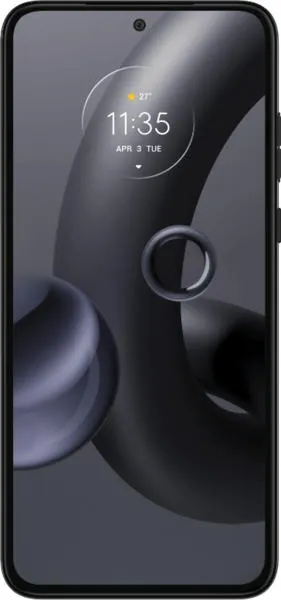
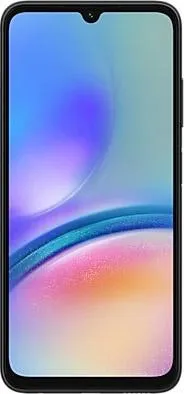
Motorola Edge 30 Neo vs. Samsung Galaxy A05s: A Detailed Comparison
Let's dive into a head-to-head comparison of the Motorola Edge 30 Neo and the Samsung Galaxy A05s, dissecting their specs and uncovering what they truly offer in real-world use.
1. Specifications Breakdown
| Feature | Motorola Edge 30 Neo | Samsung Galaxy A05s | Real-World Implications |
|---|---|---|---|
| Design | |||
| Dimensions (mm) | 152.9 x 71.2 x 7.8 | 168 x 77.8 x 8.8 | Neo is significantly more compact and pocketable. A05s is larger, heavier. |
| Weight (g) | 155 | 194 | Neo feels lighter and easier to handle for extended use. |
| Display | |||
| Type | P-OLED, 120Hz | PLS LCD, 90Hz | Neo offers deeper blacks, vibrant colors, and smoother animations. |
| Size | 6.28" | 6.7" | A05s provides a larger viewing area for media consumption. |
| Resolution | 1080 x 2400 | 1080 x 2400 | Both offer sharp visuals, but Neo's higher PPI might offer slightly better clarity. |
| Performance | |||
| Chipset | Snapdragon 695 5G | Snapdragon 680 4G | Neo benefits from 5G connectivity and generally faster performance. |
| CPU | Octa-core (2.2 GHz) | Octa-core (2.4 GHz) | Both offer decent performance for everyday tasks, but Neo edges out in demanding applications. |
| RAM | 8GB | 4GB/6GB | Neo's 8GB RAM ensures smoother multitasking and app switching. |
| Camera | |||
| Main Camera | 64MP, f/1.8 | 50MP, f/1.8 | Both should capture detailed photos in good lighting. |
| Ultrawide | 13MP | N/A | Neo's ultrawide lens provides a wider field of view for creative shots. |
| Selfie Camera | 32MP | 13MP | Neo boasts a higher resolution selfie camera for sharper self-portraits. |
| Battery Life | |||
| Capacity | 4020 mAh | 5000 mAh | A05s likely offers longer battery life due to its larger capacity. |
2. Key Insights
- Performance: The Motorola Edge 30 Neo, powered by the Snapdragon 695 5G, coupled with 8GB of RAM, delivers a noticeable performance advantage, particularly in demanding tasks and multitasking. The 5G connectivity future-proofs the device.
- Display: While the A05s boasts a larger display, the Neo's P-OLED screen with a 120Hz refresh rate offers a superior visual experience with richer colors, deeper blacks, and smoother scrolling. This difference is significant in everyday use.
- Camera: The Neo's camera system is more versatile thanks to the inclusion of an ultrawide lens. While megapixel counts aren't everything, the Neo's higher-resolution selfie camera will likely produce more detailed self-portraits.
- Portability: The Edge 30 Neo is significantly smaller and lighter, making it more comfortable for one-handed use and pocket carry.
3. User Profiles and Recommendations
- Motorola Edge 30 Neo: Best suited for users who prioritize performance, a premium display, and a compact form factor. Ideal for those who engage in mobile gaming, consume media on the go, and value a smooth user experience. Also a great choice for anyone who wants 5G connectivity.
- Samsung Galaxy A05s: A solid option for budget-conscious users who prioritize long battery life and a large screen for media consumption. Suitable for casual users who primarily use their phones for browsing, social media, and communication.
4. Buying Decision Framework
- Is 5G connectivity important to you? If yes, the Neo is the only option.
- Do you prioritize performance and a premium display? If so, the Neo's P-OLED screen and faster processor will be more appealing.
- Is battery life your primary concern? If yes, the A05s' larger battery capacity likely offers longer usage time.
My Choice: I would choose the Motorola Edge 30 Neo. While the Samsung Galaxy A05s offers a larger battery, the Neo's superior performance, vibrant P-OLED display with a 120Hz refresh rate, 5G connectivity, and more compact design are compelling advantages that better fit my personal preferences and usage patterns. The smoother user experience, versatility of the camera system, and future-proof nature of 5G make the Neo a more compelling overall package for me. I value the responsiveness and visual quality that the Neo provides, even with the trade-off of slightly shorter battery life. The size and weight difference is also a significant factor for me, as I prefer a more pocketable device.
