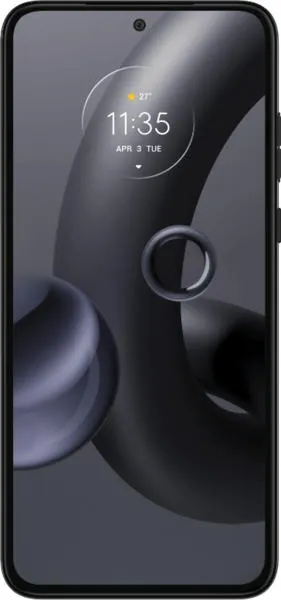

Motorola Edge 30 Neo vs. Realme C55: A Detailed Comparison
Let's dive into a head-to-head comparison of the Motorola Edge 30 Neo and the Realme C55, dissecting their specifications and uncovering what they truly offer in terms of real-world performance.
1. Specifications Breakdown
| Feature | Motorola Edge 30 Neo | Realme C55 | Real-World Implications |
|---|---|---|---|
| Design | |||
| Dimensions (mm) | 152.9 x 71.2 x 7.8 | 165.6 x 75.9 x 7.9 | Edge 30 Neo is significantly more compact and pocketable. |
| Weight (g) | 155 | 189.5 | Edge 30 Neo is noticeably lighter, reducing hand fatigue during extended use. |
| Build Materials | Glass front, plastic frame | Plastic Back/Frame | Edge 30 Neo feels more premium |
| Display | |||
| Type | P-OLED, 120Hz | IPS LCD, 90Hz | Edge 30 Neo offers deeper blacks, more vibrant colors, and smoother animations. C55 has a larger display. |
| Size | 6.28" | 6.72" | C55 provides a larger viewing area for media consumption; Edge 30 Neo is more one-hand friendly. |
| Resolution | 1080 x 2400 | 1080 x 2400 | Both offer sharp visuals, but the Edge 30 Neo's smaller size results in slightly higher pixel density. |
| Performance | |||
| Chipset | Snapdragon 695 5G | Helio G88 | Edge 30 Neo boasts better CPU and GPU performance, leading to smoother multitasking and gaming. It also has 5G connectivity. |
| RAM | 8GB | 8GB | Both offer ample RAM for smooth day-to-day performance. |
| Storage | 128/256GB | 256GB | Both offer sufficient storage; Edge 30 Neo has a 128GB option for a potentially lower price point. |
| Camera | |||
| Main Camera | 64MP, f/1.8 | 64MP | Image quality will depend on software processing; both use the same sensor, the OmniVision OV64B. |
| Selfie Camera | 32MP | 8MP | Edge 30 Neo boasts a significantly higher resolution selfie camera. |
| Battery Life | |||
| Capacity | 4020 mAh | 5000 mAh | Realme C55 offers a larger battery capacity, likely resulting in longer battery life. |
| Charging | 33W wired | 33W wired | Both offer relatively fast charging speeds. |
| Other | |||
| NFC | Yes | Yes | Both support contactless payments and data transfer. |
| Operating System | Android 12 (up to 15) | Android 13 | Edge 30 Neo has confirmed future OS updates. C55 launches with a newer Android version. |
2. Key Insights
- Performance: The Snapdragon 695 in the Edge 30 Neo significantly outperforms the Helio G88 in the C55. This translates to a smoother user experience, especially for demanding tasks and gaming. The inclusion of 5G in the Edge 30 Neo is also a major advantage for future-proofing.
- Display: While the C55 boasts a larger display, the Edge 30 Neo's P-OLED panel with a 120Hz refresh rate offers a superior visual experience with richer colors, deeper blacks, and smoother scrolling.
- Design and Build: The Edge 30 Neo is more compact and lighter, making it more comfortable for one-handed use. Its glass front also gives it a more premium feel. The C55 prioritizes a larger battery and display at the expense of size and weight.
- Camera: While both phones share a primary 64MP sensor (the OmniVision OV64B), real-world image quality will heavily depend on software processing. The Edge 30 Neo's higher-resolution selfie camera is a notable advantage for selfie enthusiasts.
3. User Profiles and Recommendations
- Motorola Edge 30 Neo: Ideal for users who prioritize performance, a premium feel, a vibrant display, and a compact form factor. Excellent for users who value having the latest technology, including 5G connectivity.
- Realme C55: Best suited for budget-conscious users who prioritize battery life and a large display for media consumption. A good option for those seeking a basic smartphone for everyday tasks without demanding high performance.
4. Buying Decision Framework
- Is top-tier performance and a future-proof device a priority? If yes, the Edge 30 Neo with its Snapdragon 695 and 5G is the clear winner.
- Is battery life the most critical factor? If maximizing screen-on time is paramount, the C55 with its 5000mAh battery will likely last longer.
- What is your budget? The Edge 30 Neo tends to be slightly more expensive. If price is a major concern, the C55 offers a more affordable option with a larger display and battery.
My Choice: I would choose the Motorola Edge 30 Neo. While the Realme C55 offers a larger battery and display, I prioritize the significantly better performance, smoother 120Hz P-OLED display, more compact design, and the future-proofing offered by 5G connectivity. The superior selfie camera and confirmed future OS updates further solidify the Edge 30 Neo as the more compelling device for my needs. I'm willing to compromise slightly on battery life for a more well-rounded and powerful smartphone experience.
