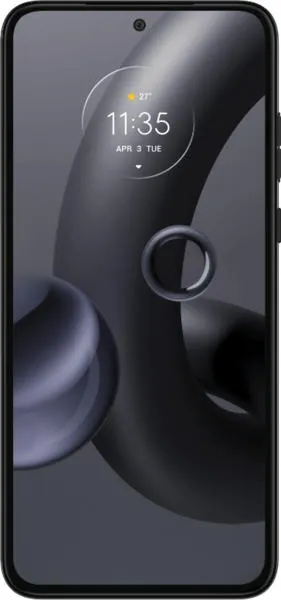
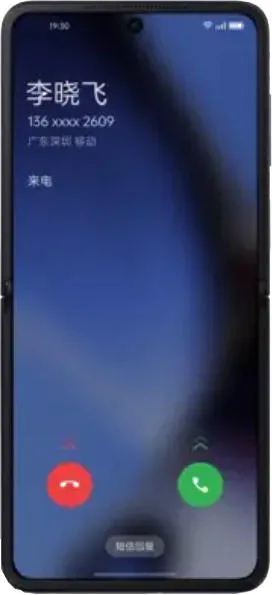
Motorola Edge 30 Neo vs. Oppo Find N2 Flip: A Detailed Comparison
Let's dive into a head-to-head comparison of the Motorola Edge 30 Neo and the Oppo Find N2 Flip, dissecting their specs and uncovering what they truly offer in real-world use.
1. Specifications Breakdown
| Feature | Motorola Edge 30 Neo | Oppo Find N2 Flip | Real-World Implications |
|---|---|---|---|
| Design | |||
| Dimensions (mm) | 152.9 x 71.2 x 7.8 | 166.2 x 75.2 x 7.5 | Neo is noticeably smaller and lighter, easier for one-handed use; Flip is pocketable when folded. |
| Weight (g) | 155 | 191 | Neo is significantly lighter, reducing hand fatigue. |
| Foldable | No | Yes | Flip offers a compact folded form factor, potentially more durable screen with less bulk |
| Display | |||
| Type | P-OLED, 120Hz | LTPO AMOLED, 120Hz | Both offer smooth scrolling and animations; LTPO on Flip enables more efficient variable refresh rate |
| Size (inches) | 6.28 | 6.8 | Flip provides a larger viewing area for media consumption. |
| Resolution (px) | 1080 x 2400 | 1080 x 2520 | Comparable sharpness; Flip slightly taller due to aspect ratio. |
| Peak Brightness | Unspecified | 1600 nits | Flip likely offers better outdoor visibility. |
| Performance | |||
| Chipset | Snapdragon 695 5G | Dimensity 9000+ | Flip boasts significantly faster processing power for demanding tasks and gaming. |
| RAM (GB) | 8 | 8 or 16 | More RAM options on Flip (up to 16GB). |
| OS | Android 12 (up to 15) | Android 13 (up to 17) | Flip launches with a newer Android version and longer software support commitment. |
| Camera | |||
| Main Sensor (MP) | 64 | 50 | Both offer high-resolution main cameras, likely comparable image quality in daylight. |
| Selfie Camera (MP) | 32 | 32 | Comparable selfie camera resolution. |
| Battery Life | |||
| Capacity (mAh) | 4020 | 4300 | Flip has a slightly larger battery, potentially longer battery life. |
| Charging Speed | Unspecified | Unspecified | Requires additional information to provide accurate and meaningful comparisons |
2. Key Insights
- Performance: The Oppo Find N2 Flip, with its Dimensity 9000+ processor, dramatically outperforms the Motorola Edge 30 Neo's Snapdragon 695. This translates to a smoother, more responsive experience, especially in demanding applications and games.
- Form Factor: The Flip's foldable design is its defining feature. While adding complexity, it offers a compact form factor when closed, potentially better screen protection, and a unique user experience. The Neo's traditional candy bar design prioritizes simplicity and pocketability.
- Display: Both phones feature 120Hz displays for smooth visuals. However, the Flip's LTPO panel allows for a more energy-efficient variable refresh rate, potentially extending battery life. The Flip's higher peak brightness will also be beneficial in bright sunlight.
- Software: The Find N2 Flip ships with a newer Android version and a longer update commitment, ensuring a more up-to-date and secure experience in the long run.
3. User Profiles and Recommendations
- Motorola Edge 30 Neo: Ideal for users who prioritize a lightweight, affordable phone with a good display and reliable performance for everyday tasks. Its smaller size is perfect for one-handed use.
- Oppo Find N2 Flip: Best suited for users who value cutting-edge technology, a unique foldable design, top-tier performance, and a longer software support lifecycle. The larger display and battery are also advantages for power users.
4. Buying Decision Framework
- Is a foldable design a priority? If yes, the Find N2 Flip is the clear choice.
- What is your budget? The Edge 30 Neo is likely more affordable.
- How important is raw performance? For demanding tasks and gaming, the Find N2 Flip is significantly more powerful.
My Choice: Oppo Find N2 Flip
While the Motorola Edge 30 Neo is a solid device, I would choose the Oppo Find N2 Flip. The foldable form factor intrigues me, offering a compact size when closed and a larger screen when open. The significant performance advantage of the Dimensity 9000+, the newer Android version with a longer update promise, and the potentially improved battery life due to the LTPO display are compelling. I'm willing to pay a premium for the innovative design and superior overall experience. The advancements in foldable technology represented in the Find N2 Flip are too enticing to ignore. While potentially more fragile than a traditional slab phone, the benefits in portability and screen protection offered by the folding design, coupled with flagship-level performance, outweigh the risks for me.
