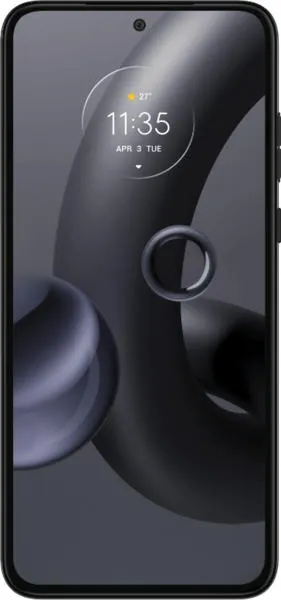
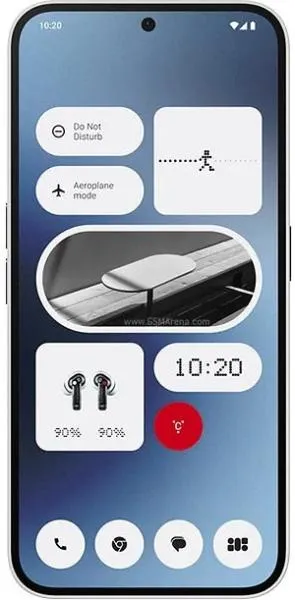
Let's dive into a comparative analysis of the Motorola Edge 30 Neo and the Nothing Phone (2a), dissecting their specifications and translating them into real-world implications for you.
1. Specifications Breakdown
| Feature | Motorola Edge 30 Neo | Nothing Phone (2a) | Real-World Implications | |
|---|---|---|---|---|
| Design | ||||
| Dimensions (mm) | 152.9 x 71.2 x 7.8 | 161.7 x 76.3 x 8.6 | Neo is significantly more compact and pocketable. (2a) feels more substantial, potentially less comfortable. | |
| Weight (g) | 155 | 190 | Neo is noticeably lighter, reducing hand fatigue during extended use. | |
| Display | ||||
| Type | P-OLED | AMOLED | Both offer vibrant colors and deep blacks. AMOLED generally has a slight edge in brightness and contrast. | |
| Size | 6.28" | 6.7" | (2a) provides a larger viewing area for media consumption, but Neo is more one-hand friendly. | |
| Refresh Rate | 120Hz | 120Hz | Both deliver smooth scrolling and animations. | |
| Resolution | 1080 x 2400 | 1080 x 2412 | Virtually identical pixel density, ensuring sharp visuals on both. | |
| Performance | ||||
| Chipset | Snapdragon 695 | Dimensity 7200 Pro | (2a) boasts a significantly more powerful processor, translating to smoother multitasking and gaming. | |
| CPU | Octa-core (2.2 GHz) | Octa-core (2.8 GHz) | (2a)'s higher clock speeds mean faster app loading and responsiveness. | |
| GPU | Adreno 619 | Mali-G610 MC4 | (2a) offers superior graphics performance, beneficial for demanding games and visual applications. | |
| RAM | 8GB | 12GB | (2a)'s larger RAM enables better multitasking and background app retention. | |
| Camera | ||||
| Main Sensor | 64MP | 50MP | While Neo has higher resolution, (2a) uses a larger sensor (Samsung GN9) known for excellent low-light performance. | |
| Wide Angle | 13MP | 50MP | (2a) significantly upgrades the wide-angle experience with a higher resolution and potentially better quality. | |
| Selfie | 32MP | 32MP | Comparable selfie cameras on paper, real-world performance needs further testing. | |
| Battery Life | ||||
| Capacity | 4020 mAh | 5000 mAh | (2a) offers a considerably larger battery, likely resulting in significantly longer usage time. |
2. Key Insights
Performance: The Nothing Phone (2a) is the clear winner in terms of raw power, thanks to its Dimensity 7200 Pro chipset and ample RAM. This translates to a noticeably smoother and more responsive user experience, especially for demanding tasks like gaming and multitasking. The Edge 30 Neo, while sufficient for everyday use, might show some lag under heavy load.
Display: While both phones offer 120Hz refresh rates for fluid visuals, the Nothing Phone (2a)'s larger AMOLED display provides a more immersive experience for media consumption. The Edge 30 Neo's smaller P-OLED is no slouch, offering vibrant colors and excellent contrast, making it ideal for one-handed use.
Camera: This is a closer contest. While the Edge 30 Neo boasts a higher resolution main sensor (64MP vs. 50MP), the Nothing Phone (2a) utilizes a larger sensor size (1/1.56") and superior sensor model (Samsung GN9) known for capturing more light, which often results in better image quality, especially in challenging lighting conditions. The (2a)'s dramatically improved wide-angle lens is also a significant advantage.
Battery: The Nothing Phone (2a)'s significantly larger 5000 mAh battery promises substantially longer battery life compared to the Edge 30 Neo's 4020 mAh. For users who prioritize all-day usage without frequent charging, the (2a) holds a clear edge.
Portability: The Motorola Edge 30 Neo is considerably smaller and lighter, making it much more pocketable and comfortable for one-handed use.
3. User Profiles and Recommendations
Motorola Edge 30 Neo: Best suited for users who prioritize portability, compact design, and value vibrant visuals in a smaller form factor. Ideal for those who primarily use their phones for social media, browsing, and light tasks.
Nothing Phone (2a): The power user's choice. Its superior performance, larger display, enhanced camera system (especially the main and wide-angle lenses), and long-lasting battery make it perfect for gaming, content creation, multitasking, and extended use without charging.
4. Buying Decision Framework
- What is your budget? Both phones fall in the mid-range category, but specific pricing may vary.
- What are your primary phone usage patterns? Heavy gaming, multitasking, and media consumption favor the Nothing Phone (2a). Lighter usage with a focus on portability favors the Edge 30 Neo.
- How important is battery life to you? If all-day battery life is crucial, the Nothing Phone (2a)'s larger battery is a significant advantage.
My Choice: Nothing Phone (2a)
While I appreciate the Motorola Edge 30 Neo's compact design, as a tech journalist and heavy smartphone user, I'd opt for the Nothing Phone (2a). The significant performance leap offered by the Dimensity 7200 Pro, coupled with the larger battery, superior camera system (especially the main and wide-angle), and expansive display, aligns perfectly with my needs. I often push my devices to their limits with multitasking, content creation, and on-the-go productivity, and the (2a) seems better equipped to handle those demands. The slightly larger size is a trade-off I'm willing to make for the significant gains in performance and battery life. Furthermore, the improved camera hardware, particularly the larger main sensor, suggests better low-light performance and overall image quality – a crucial factor for documenting events and capturing visuals for my articles.
