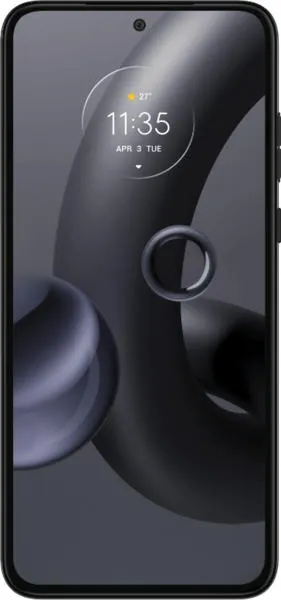
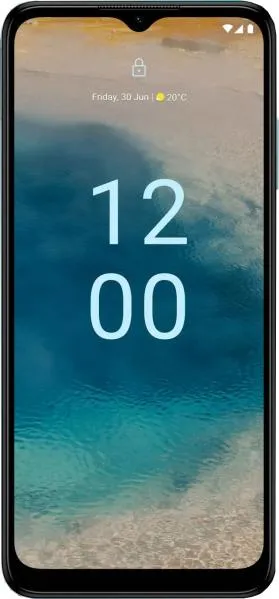
Motorola Edge 30 Neo vs. Nokia G22: A Comparative Analysis
The mid-range smartphone market is fiercely competitive, with devices vying for attention based on features, performance, and price. Today, we'll dissect the Motorola Edge 30 Neo and the Nokia G22, two contenders aiming to strike the perfect balance. Let's dive deep into their specifications and uncover what they offer in real-world usage.
1. Specifications Breakdown
| Feature | Motorola Edge 30 Neo | Nokia G22 | Real-World Implications |
|---|---|---|---|
| Design | |||
| Dimensions (mm) | 152.9 x 71.2 x 7.8 | 165 x 76.2 x 8.5 | Neo is significantly more compact and pocketable. G22 feels larger, potentially less comfortable for one-handed use. |
| Weight (g) | 155 | 196.2 | Neo is noticeably lighter, reducing hand fatigue during extended use. |
| Build Materials | Glass front, plastic frame | Plastic frame, Gorilla Glass 3 front | Both offer decent durability, but Neo's glass back adds a premium feel. |
| Display | |||
| Display Type | 6.28" P-OLED, 120Hz | 6.52" IPS LCD, 90Hz | Neo's OLED delivers richer colors, deeper blacks, and smoother animations. G22's LCD is adequate but less vibrant. |
| Resolution | 1080 x 2400 | 720 x 1600 | Neo boasts sharper visuals and crisper text due to its higher pixel density (419 ppi vs. 270 ppi). |
| Performance | |||
| Chipset | Snapdragon 695 5G | Unisoc T606 | Neo offers significantly better performance and 5G connectivity, enabling faster app loading, smoother multitasking, and future-proof network access. |
| CPU | Octa-core (2x2.2 GHz & 6x1.7 GHz) | Octa-core (2x1.6 GHz & 6x1.6 GHz) | Neo's higher clock speeds translate to quicker processing for demanding tasks. G22 might struggle with intensive applications or heavy multitasking. |
| RAM | 8GB | 4GB | Neo's larger RAM allows for more apps to run in the background without performance slowdown. G22 might experience occasional stutter with multiple apps open. |
| Camera | |||
| Main Camera | 64MP, f/1.8 | 50MP, f/1.8 | Both offer high-resolution sensors, but real-world image quality depends on processing. Neo likely benefits from the superior Snapdragon ISP. |
| Video Recording | 1080p@120fps | 1080p@30fps | Neo can capture smoother slow-motion video. |
| Battery Life | |||
| Capacity | 4020 mAh | 5050 mAh | G22 likely provides longer battery life due to its larger capacity and less demanding display. Neo's faster refresh rate and powerful processor consume more power. |
2. Key Insights
Motorola Edge 30 Neo: The standout features are its vibrant OLED display with a 120Hz refresh rate, the powerful Snapdragon 695 processor enabling smooth performance and 5G connectivity, and its sleek, lightweight design. While the battery capacity is smaller, the overall user experience will be significantly smoother and faster.
Nokia G22: The key advantages lie in its long-lasting battery, thanks to the large 5050 mAh capacity and lower-resolution display. It also boasts repairability, making it a more sustainable choice. However, it compromises on performance and display quality.
3. User Profiles and Recommendations
Edge 30 Neo: Ideal for users who prioritize performance, a premium display, and a compact form factor. Excellent for social media enthusiasts, mobile gamers, and those who demand a smooth and responsive user experience.
Nokia G22: Best suited for budget-conscious users who prioritize battery life and value repairability. A good choice for users who primarily use their phone for calling, texting, web browsing, and light media consumption.
4. Buying Decision Framework
- What is your budget? The G22 is a more affordable option.
- Do you prioritize performance and a premium display or long battery life and repairability? The Neo excels in the former, while the G22 in the latter.
- Do you need 5G connectivity? The Neo is 5G enabled, the G22 is not.
My Choice: Motorola Edge 30 Neo
While the Nokia G22's battery life is tempting, I would personally choose the Motorola Edge 30 Neo. As a tech enthusiast, I value the smooth and responsive experience offered by the 120Hz OLED display and the powerful Snapdragon 695. 5G connectivity is also crucial for future-proofing. The Neo's compact and lightweight design further sweetens the deal. The slightly higher price is a worthwhile trade-off for the significant gains in performance, display quality, and overall user experience. I am willing to carry a power bank to compensate for the smaller battery.
