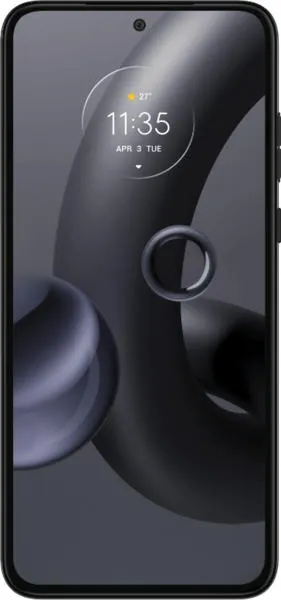
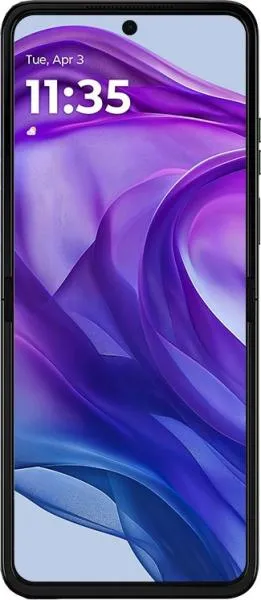
Motorola Edge 30 Neo vs. Motorola Razr 50 Ultra: A Detailed Comparison
Let's dive into a head-to-head comparison of the Motorola Edge 30 Neo and the Motorola Razr 50 Ultra, dissecting their specs and uncovering what they truly offer in real-world use.
1. Specifications Breakdown
| Feature | Motorola Edge 30 Neo | Motorola Razr 50 Ultra | Real-World Implications |
|---|---|---|---|
| Design | |||
| Dimensions (mm) | 152.9 x 71.2 x 7.8 | 171.4 x 74 x 7.1 | Razr 50 Ultra is taller and wider when unfolded, significantly more compact when folded. Neo is thinner and lighter overall. |
| Weight (g) | 155 | 189 | Neo is noticeably lighter for comfortable one-handed use. Razr 50 Ultra's weight is typical for a foldable. |
| Foldable | No | Yes | Razr 50 Ultra offers the unique portability of a foldable phone. |
| Display | |||
| Type | P-OLED, 120Hz | Foldable LTPO AMOLED, 165Hz | Razr boasts a superior display with higher refresh rate, Dolby Vision, HDR10+, and a brighter peak brightness. |
| Size (inches) | 6.28 | 6.9 | Razr offers a larger main screen for immersive content consumption. |
| Resolution (px) | 1080 x 2400 | 1080 x 2640 | Both offer sharp visuals, but the Razr has a slightly taller aspect ratio. |
| Performance | |||
| Chipset | Snapdragon 695 5G | Snapdragon 8+ Gen 1 | Razr 50 Ultra significantly outperforms the Neo in processing power, enabling smoother multitasking and demanding gaming. |
| RAM (GB) | 8 | 12 | More RAM in the Razr allows for seamless app switching and handling heavy tasks. |
| Camera | |||
| Main Camera (MP) | 64 | 50 | Razr uses a larger sensor (1/1.56") despite lower resolution, potentially offering better low-light performance. |
| Selfie Camera (MP) | 32 | 32 | Comparable selfie cameras on paper, real-world performance needs further testing. |
| Battery Life | |||
| Capacity (mAh) | 4020 | 3800 | Neo has a slightly larger battery, but real-world battery life depends heavily on usage patterns and software optimization. |
2. Key Insights
- Performance: The Razr 50 Ultra's Snapdragon 8+ Gen 1 and 8GB RAM deliver flagship-level performance, making it ideal for demanding tasks and gaming. The Neo's Snapdragon 695 is capable for everyday use but won't handle intensive tasks as smoothly.
- Display: The Razr 50 Ultra's foldable LTPO AMOLED display with a 165Hz refresh rate, Dolby Vision, and HDR10+ support offers a visually stunning experience. The Neo's 120Hz P-OLED is good but lacks the advanced features of the Razr.
- Form Factor: The Razr 50 Ultra's foldable design is its defining feature, offering unmatched portability. The Neo is a more traditional slab phone, prioritizing thinness and lightness.
- Camera: While megapixel counts differ, sensor size and processing play a crucial role in image quality. Real-world camera comparisons are needed to determine a clear winner.
3. User Profiles and Recommendations
- Edge 30 Neo: Best for users seeking a stylish, lightweight, and affordable 5G phone for everyday tasks, social media, and casual photography. Its vibrant colors and compact form factor make it a great option for those prioritizing portability and ease of use.
- Razr 50 Ultra: Ideal for users who value cutting-edge technology, a premium viewing experience, and the unique portability of a foldable phone. It's a statement piece that excels in multitasking, gaming, and content consumption.
4. Buying Decision Framework
- Is a foldable design a priority? If yes, the Razr 50 Ultra is the clear choice.
- What's your budget? The Neo offers excellent value for its price, while the Razr 50 Ultra commands a premium.
- What are your performance needs? For demanding tasks and gaming, the Razr 50 Ultra is superior; for everyday use, the Neo is sufficient.
My Choice: As Alex Griffin, I would choose the Motorola Razr 50 Ultra. While the Edge 30 Neo offers excellent value, I'm drawn to the Razr's cutting-edge technology and innovative foldable design. The superior display, flagship performance, and unique form factor outweigh the price premium for me. I appreciate the advancements in foldable technology and the portability it offers. The ability to have a large screen in a compact device is appealing, even considering the trade-offs in battery capacity and thickness when unfolded. The Razr 50 Ultra represents a significant leap in mobile technology, and I'm eager to experience it firsthand.
