Motorola Edge 30 Neo vs. Motorola Razr 50: A Comparative Analysis
The mid-range smartphone market is fiercely competitive, and Motorola offers two compelling contenders: the Edge 30 Neo and the Razr 50. While both phones share the Motorola lineage, their designs and target audiences differ significantly. This in-depth analysis delves into their specifications, highlighting real-world implications and guiding you toward the device that best fits your needs.
1. Specifications Breakdown
| Feature | Motorola Edge 30 Neo | Motorola Razr 50 | Real-World Implications |
|---|---|---|---|
| Design | |||
| Dimensions (mm) | 152.9 x 71.2 x 7.8 | 171.3 x 74 x 7.3 | Razr 50 is taller and wider when unfolded, significantly more compact when folded. Neo is thinner. |
| Weight (g) | 155 | 188.4 | Neo is noticeably lighter for comfortable one-handed use. Razr 50's weight reflects its robust build. |
| Foldable | No | Yes | Razr 50 offers unique portability and a larger screen in a compact form factor. |
| Display | |||
| Type | P-OLED, 120Hz | Foldable LTPO AMOLED, 120Hz | Razr 50 boasts a larger, more advanced display with potential for better battery life and visuals. |
| Size (inches) | 6.28 | 6.9 | Razr 50 provides a more immersive viewing experience. |
| Resolution (px) | 1080 x 2400 | 1080 x 2640 | Both offer sharp visuals, Razr 50 slightly taller aspect ratio. |
| Performance | |||
| Chipset | Snapdragon 695 5G | Dimensity 7300X | Razr 50 likely offers superior processing power and graphics performance. |
| CPU | Octa-core (2.2 GHz) | Octa-core (2.5 GHz) | Razr 50's higher clock speeds suggest faster app loading and multitasking. |
| RAM (GB) | 8 | 8/12 | Razr 50 offers a 12GB RAM option for even smoother multitasking. |
| Camera | |||
| Main Camera (MP) | 64 | 50 | Megapixel count isn't everything; image quality depends on sensor size and processing. |
| Selfie Camera (MP) | 32 | 32 | Comparable selfie camera resolution. |
| Battery Life | |||
| Capacity (mAh) | 4020 | 4200 | Razr 50's larger battery may offer longer usage time, but the foldable display could consume more power. |
| Price Range | Medium | Medium | Both target the mid-range market, but specific pricing varies. |
2. Key Insights
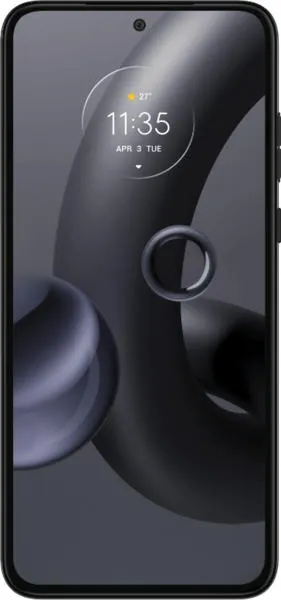
The Edge 30 Neo prioritizes portability and affordability. Its lighter weight and smaller form factor make it ideal for one-handed use. The 120Hz P-OLED display offers smooth visuals, and the Snapdragon 695 delivers respectable performance for everyday tasks.
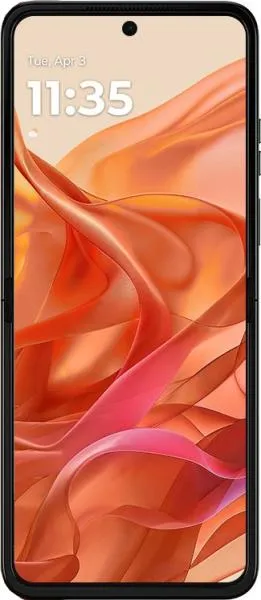
The Razr 50, on the other hand, is a statement piece. Its foldable design offers a unique blend of portability and a large screen experience. The Dimensity 7300X chipset and higher RAM options promise a performance advantage. The larger battery aims to address the power demands of the foldable display.
3. User Profiles and Recommendations
Edge 30 Neo: Best suited for users seeking a lightweight, affordable phone with a vibrant display and reliable performance for everyday tasks like social media, browsing, and casual gaming.
Razr 50: Ideal for users who value innovation and want a device that stands out. The foldable design offers a large screen in a pocket-friendly format, making it appealing for content consumption and multitasking on the go.
4. Buying Decision Framework
- Is portability your top priority? If absolute lightness and pocketability are paramount, the Edge 30 Neo excels.
- Do you crave a large screen for productivity and entertainment? The Razr 50's foldable display offers a compelling solution.
- What's your budget? While both are mid-range, the Razr 50's cutting-edge technology likely commands a higher price.
My Choice: The Motorola Razr 50
While the Edge 30 Neo is a solid device, I'm drawn to the Razr 50's innovation. The foldable form factor offers a unique blend of portability and large-screen immersion that I find compelling. The upgraded chipset and RAM also promise a smoother, more responsive user experience. As a tech enthusiast, I appreciate pushing boundaries, and the Razr 50 delivers on that front. The added cost is justified for the technological leap and the potential for increased productivity and entertainment value. The compact size when folded is a game changer for pocket carry, and the large screen when unfolded offers a tablet-like experience for media consumption and multitasking. That flexibility is what ultimately seals the deal for me.
