Motorola Edge 30 Neo vs. Motorola Razr 40 Ultra: A Comparative Analysis
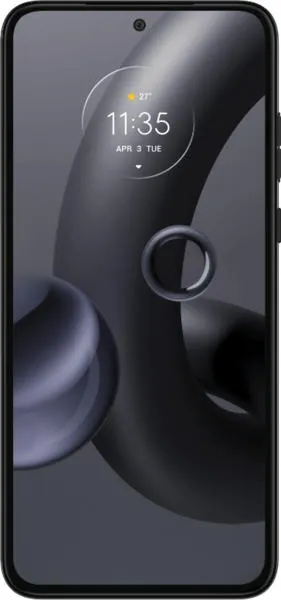
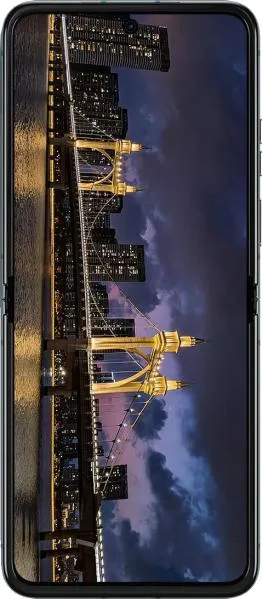
Hello fellow tech enthusiasts! Today, we're diving deep into a head-to-head comparison of two intriguing Motorola devices: the Edge 30 Neo and the Razr 40 Ultra. While both sport the Motorola badge, they cater to distinctly different user profiles. Let's dissect their specifications and uncover what truly sets them apart.
1. Specifications Breakdown
| Feature | Motorola Edge 30 Neo | Motorola Razr 40 Ultra | Real-World Implications |
|---|---|---|---|
| Design | |||
| Dimensions (mm) | 152.9 x 71.2 x 7.8 | 170.8 x 74 x 7 | Razr 40 Ultra significantly taller when unfolded, much thinner when folded. Edge 30 Neo more pocketable when unfolded. |
| Weight (g) | 155 | 184.5 | Razr 40 Ultra noticeably heavier but expected given foldable design. |
| Foldable | No | Yes | Razr 40 Ultra offers compact portability when folded. |
| Display | |||
| Size (inches) | 6.28 | 6.9 | Razr 40 Ultra boasts a larger main screen for immersive content. Edge 30 Neo offers better one-handed usability |
| Type | P-OLED, 120Hz | Foldable LTPO AMOLED, 165Hz | Razr 40 Ultra's higher refresh rate delivers smoother animations and scrolling. LTPO allows for dynamic refresh rate saving battery. Folding screen technology introduces a crease. |
| Resolution (px) | 1080 x 2400 | 1080 x 2640 | Comparable sharpness, though Razr 40 Ultra slightly denser due to larger size. |
| Performance | |||
| Chipset | Snapdragon 695 5G | Snapdragon 8+ Gen 1 | Razr 40 Ultra significantly more powerful, enabling demanding gaming and multitasking. |
| RAM (GB) | 8 | 8/12 | Razr 40 Ultra offers a 12GB RAM option for even smoother performance. |
| Camera | |||
| Main Camera (MP) | 64 | 12 | Edge 30 Neo boasts higher resolution, but Razr 40 Ultra likely uses a larger sensor, potentially offering better low-light performance. More analysis needed on sensor size and other factors. |
| Selfie Camera (MP) | 32 | 32 | Comparable selfie camera resolution. |
| Battery Life | |||
| Capacity (mAh) | 4020 | 3800 | Edge 30 Neo has a slightly larger battery. Razr 40 Ultra's LTPO display and efficient processor could offset this difference. Real-world usage will determine actual battery life. |
2. Key Insights
- Performance: The Razr 40 Ultra's Snapdragon 8+ Gen 1 demolishes the Edge 30 Neo's Snapdragon 695 in raw power. For demanding tasks, the Razr 40 Ultra is the clear winner.
- Form Factor: The Razr 40 Ultra's foldable design is its defining feature, offering unmatched portability. The Edge 30 Neo is a more traditional slab phone.
- Display: While both phones have OLED displays with high refresh rates, the Razr 40 Ultra's larger, 165Hz LTPO panel provides a more immersive and responsive experience. However, the crease inherent in foldable displays might bother some users.
3. User Profiles and Recommendations
- Edge 30 Neo: Best suited for users who prioritize affordability, a lightweight and pocketable device, and solid everyday performance. Ideal for social media, web browsing, and casual gaming.
- Razr 40 Ultra: Designed for users who value cutting-edge technology, a unique form factor, and top-tier performance. Perfect for power users, content creators, and those who want a device that turns heads.
4. Buying Decision Framework
- Is a foldable design a must-have? If yes, the Razr 40 Ultra is your only option here.
- What's your budget? The Edge 30 Neo offers excellent value for its price.
- What level of performance do you need? For demanding tasks, the Razr 40 Ultra is the clear winner.
My Choice: Motorola Razr 40 Ultra
While the Edge 30 Neo is a compelling device at its price point, the Razr 40 Ultra's innovative foldable design and flagship-level performance are irresistible to me. I'm willing to pay a premium for the unique form factor and the sheer power under the hood. The larger, more responsive display enhances my content consumption experience. As a tech enthusiast, I appreciate pushing the boundaries of mobile technology, and the Razr 40 Ultra embodies that spirit. The compact size when folded is a huge bonus for portability.
