Motorola Edge 30 Neo vs. Motorola Razr 40: A Detailed Comparison
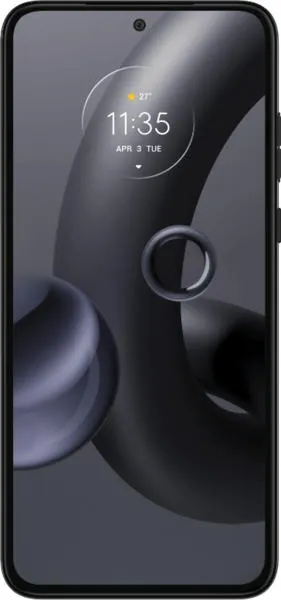
The mid-range smartphone arena is heating up, and Motorola is bringing the fight with two compelling contenders: the Edge 30 Neo and the Razr 40. While both phones share the Motorola lineage, their designs and target audiences differ significantly. Let's dissect their specifications and uncover what each brings to the table.
1. Specifications Breakdown
| Feature | Motorola Edge 30 Neo | Motorola Razr 40 | Real-World Implications |
|---|---|---|---|
| Design | |||
| Dimensions (mm) | 152.9 x 71.2 x 7.8 | 170.8 x 74 x 7.4 | Razr 40 is taller and wider when unfolded, but significantly more compact folded. Edge 30 Neo is thinner and lighter overall. |
| Weight (g) | 155 | 188.6 | Edge 30 Neo is noticeably lighter for comfortable one-handed use. |
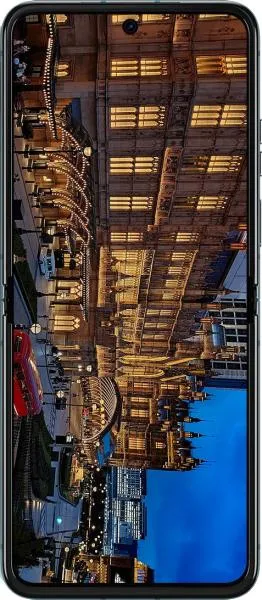
| Foldable | No | Yes | Razr 40's foldable design offers unique portability and a secondary external display. |
| Display | |||
| Size (inches) | 6.28 | 6.9 | Razr 40 boasts a larger main screen for immersive content consumption. |
| Type | P-OLED, 120Hz | Foldable LTPO AMOLED, 144Hz | Razr 40's LTPO panel enables dynamic refresh rate adjustment for battery efficiency. Its higher peak brightness enhances outdoor visibility. |
| Resolution (px) | 1080 x 2400 | 1080 x 2640 | Both offer sharp visuals, but the Razr 40 has a slightly taller aspect ratio. |
| Performance | |||
| Chipset | Snapdragon 695 5G | Snapdragon 7 Gen 1 | Razr 40's newer and more powerful chipset delivers smoother performance in demanding tasks and gaming. |
| CPU | Octa-core (2.2 GHz & 1.7 GHz) | Octa-core (2.4 GHz, 2.36 GHz & 1.8 GHz) | Razr 40's CPU architecture provides a performance edge, especially in multi-tasking. |
| GPU | Adreno 619 | Adreno 644 | Razr 40's superior GPU handles graphics-intensive applications with greater ease. |
| RAM | 8GB | 8GB | Both offer ample RAM for smooth multitasking. |
| Camera | |||
| Main Camera (MP) | 64 | 64 | Similar resolution, but real-world image quality will depend on sensor and software processing – details not fully provided. |
| Selfie Camera (MP) | 32 | 32 | Similar resolution; image quality details require further investigation. |
| Battery Life | |||
| Capacity (mAh) | 4020 | 4200 | Razr 40 has a slightly larger battery, but its foldable design and larger display might offset this advantage. |
2. Key Insights
The Edge 30 Neo prioritizes affordability and a lightweight, pocketable design. It's a solid performer for everyday tasks, offering a vibrant display and decent battery life.
The Razr 40, on the other hand, is a statement piece. Its foldable design offers unparalleled portability and a unique user experience. The more powerful chipset, improved display, and larger battery cater to users seeking a premium experience, despite being in the mid-range price segment.
3. User Profiles and Recommendations
Edge 30 Neo: Ideal for users seeking a stylish, affordable phone with a good balance of features. It's perfect for social media, light gaming, and everyday communication.
Razr 40: Best suited for trendsetters and users who value portability and a unique form factor. Its powerful hardware also makes it suitable for more demanding tasks and mobile gaming.
4. Buying Decision Framework
- Is portability your top priority? If so, the Razr 40's foldable design is hard to beat.
- What's your budget? The Edge 30 Neo offers excellent value for its price.
- How important is raw performance? For demanding tasks and gaming, the Razr 40's superior hardware is preferable.
My Choice: The Motorola Razr 40
While the Edge 30 Neo is a compelling option for its price, I'd personally choose the Razr 40. The foldable form factor genuinely intrigues me. The compact size when folded is a game-changer for pocket carry, a significant factor in my daily life. Beyond the novelty, the Razr 40 boasts a superior display with a faster refresh rate and higher peak brightness, essential for comfortable outdoor use. The Snapdragon 7 Gen 1 chipset promises a noticeable performance boost over the Edge 30 Neo's Snapdragon 695, future-proofing the device for more demanding applications and ensuring a smoother user experience in the long run. Though the slightly larger battery might be offset by the larger, more power-hungry display, I am willing to bet on Motorola's optimization to provide comparable battery life. In conclusion, the Razr 40's unique blend of portability, performance, and cutting-edge technology aligns perfectly with my needs and preferences.
