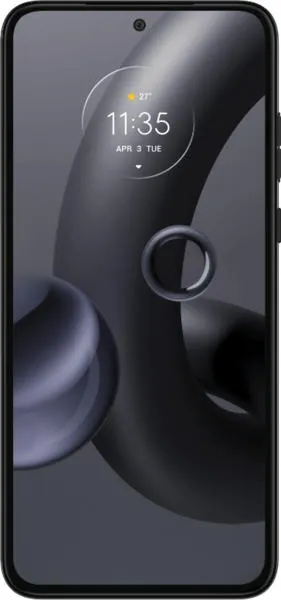
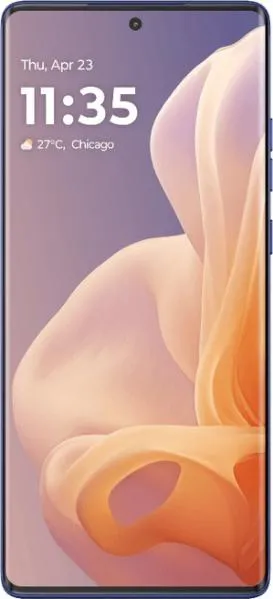
Let's dive into a comparative analysis of the Motorola Edge 30 Neo and the Motorola Moto G85, dissecting their specifications and uncovering what they truly offer in the real world.
1. Specifications Breakdown
| Feature | Motorola Edge 30 Neo | Motorola Moto G85 | Real-World Implications |
|---|---|---|---|
| Design | |||
| Dimensions (mm) | 152.9 x 71.2 x 7.8 | 161.9 x 73.1 x 7.6 | Neo is more compact and pocketable. G85 is slightly larger. |
| Weight (g) | 155 | 171 | Neo is noticeably lighter for comfortable one-handed use. |
| Display | |||
| Type | P-OLED, 120Hz | P-OLED, 120Hz | Both offer vibrant colors, deep blacks, and smooth scrolling. |
| Size | 6.28" | 6.67" | G85 boasts a larger screen for more immersive media consumption. |
| Resolution | 1080 x 2400 | 1080 x 2400 | Sharpness is comparable due to similar pixel density. |
| Performance | |||
| Chipset | Snapdragon 695 5G | Snapdragon 6s Gen 3 | Both offer similar mid-range performance, G85 slightly faster CPU |
| CPU | Octa-core (2.2 GHz) | Octa-core (2.3 GHz) | G85 might handle demanding tasks slightly better. |
| RAM | 8GB | 12GB | G85's larger RAM enables smoother multitasking and app switching. |
| Camera | |||
| Main Camera | 64MP | 50MP | Neo has higher resolution; G85 boasts a larger sensor (1/2"). |
| Ultrawide | 13MP | 8MP | Neo offers a higher resolution ultrawide camera. |
| Selfie Camera | 32MP | 32MP | Comparable selfie camera resolution. |
| Battery Life | |||
| Capacity | 4020 mAh | 5000 mAh | G85 offers significantly longer battery life. |
2. Key Insights
- Performance: While both phones use the Adreno 619 GPU, the G85's newer Snapdragon 6s Gen 3 chipset and higher clocked CPU cores give it a performance edge, especially with its larger 12GB RAM configuration. The Neo's Snapdragon 695 is no slouch, however, and will handle everyday tasks with ease.
- Display: Both phones offer beautiful P-OLED displays with 120Hz refresh rates, resulting in smooth, vibrant visuals. The G85's larger 6.67-inch screen provides a more immersive experience for media consumption and gaming. The Neo's smaller size contributes to its superior portability.
- Camera: The Neo's 64MP main camera boasts higher resolution, while the G85 utilizes a larger 1/2" 50MP sensor, potentially capturing more light in challenging conditions. Real-world image quality will depend on factors beyond sensor specifications, such as image processing. The Neo offers a higher resolution ultrawide camera.
- Battery: The G85's massive 5000 mAh battery significantly outlasts the Neo's 4020 mAh battery. This is a major differentiator for users who prioritize all-day battery life.
3. User Profiles and Recommendations
- Motorola Edge 30 Neo: Ideal for users who prioritize a compact, lightweight phone with a vibrant display and good overall performance. Its stylish design and pocketability make it a great option for those constantly on the go.
- Motorola Moto G85: Perfect for power users and media enthusiasts who demand long battery life, a large immersive screen, and ample RAM for multitasking.
4. Buying Decision Framework
- How important is battery life? If all-day battery is crucial, the G85 is the clear winner.
- Do you prefer a compact or larger phone? The Neo is significantly more pocketable, while the G85 offers a larger canvas for media.
- What's your budget? Consider the price difference between these phones in relation to the features that matter most to you. Although both are in the mid-range category, prices may vary depending on storage configurations.
My Choice: While I appreciate the Edge 30 Neo's compact design, I would choose the Motorola Moto G85. The combination of a larger, more immersive display, significantly longer battery life, and the performance boost from the Snapdragon 6s Gen 3 with 12GB of RAM are compelling advantages. The slightly larger size and added weight are trade-offs I'm willing to make for the enhanced user experience. As someone who heavily multitasks and consumes media on my phone, the G85 better aligns with my needs.
