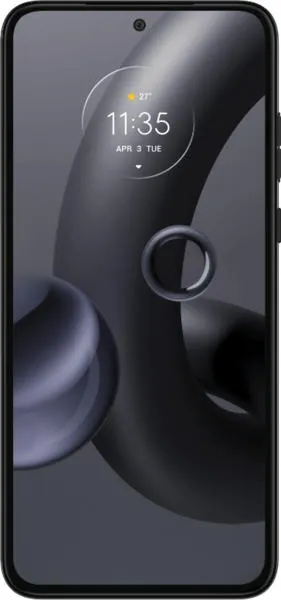
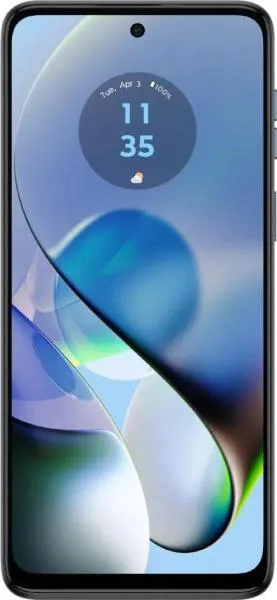
Motorola Edge 30 Neo vs. Motorola Moto G54: A Detailed Comparison
Let's dive deep into a comparative analysis of the Motorola Edge 30 Neo and the Motorola Moto G54, dissecting their specifications and uncovering what they truly offer users in the real world.
1. Specifications Breakdown
| Feature | Motorola Edge 30 Neo | Motorola Moto G54 | Real-World Implications |
|---|---|---|---|
| Design | |||
| Dimensions (mm) | 152.9 x 71.2 x 7.8 | 161.6 x 73.8 x 8.0 | Edge 30 Neo is noticeably more compact and pocketable. G54 offers a larger footprint, potentially less comfortable one-handed. |
| Weight (g) | 155 | 177 | Edge 30 Neo is significantly lighter, reducing hand fatigue during extended use. |
| Build Materials | Glass front, plastic frame | Plastic Frame, Glass Front | Edge 30 Neo has premium feel |
| Display | |||
| Type | P-OLED, 120Hz | IPS LCD, 120Hz | Edge 30 Neo offers deeper blacks, more vibrant colors, and potentially better power efficiency. G54 provides wider viewing angles. |
| Size | 6.28" | 6.5" | G54 boasts a slightly larger screen for more immersive content consumption. |
| Resolution | 1080 x 2400 | 1080 x 2400 | Both offer sharp visuals with Full HD+ resolution. |
| Performance | |||
| Chipset | Snapdragon 695 5G | Dimensity 7020 | Both offer comparable mid-range performance, suitable for everyday tasks and moderate gaming. Dimensity 7020 might have a slight edge in raw power. |
| CPU | Octa-core (2x2.2 GHz & 6x1.7 GHz) | Octa-core (2x2.2 GHz & 6x2.0 GHz) | Similar CPU configurations, but architectural differences might lead to slight performance variations. |
| GPU | Adreno 619 | IMG BXM-8-256 | Both GPUs handle everyday graphics well. BXM-8-256 might offer slightly improved gaming performance. |
| RAM | 8GB | 8GB | Both offer ample RAM for smooth multitasking. |
| Camera | |||
| Main Camera | 64MP, OIS | 50MP, OIS | Edge 30 Neo boasts higher resolution, potentially capturing more detail. Real-world image quality depends on sensor and processing. |
| Selfie Camera | 32MP | 16MP | Edge 30 Neo offers a significantly higher resolution selfie camera. |
| Battery Life | |||
| Capacity | 4020 mAh | 6000 mAh | Moto G54 offers substantially larger battery capacity, likely translating to significantly longer usage time. |
2. Key Insights
- Design and Portability: The Edge 30 Neo prioritizes compactness and portability, while the Moto G54 opts for a larger display and a more substantial feel.
- Display Quality: The Edge 30 Neo's P-OLED display delivers richer visuals with deeper blacks and vibrant colors, while the Moto G54's IPS LCD offers wider viewing angles.
- Performance Prowess: While both chipsets offer comparable mid-range performance, the Dimensity 7020 in the Moto G54 might provide a slight edge in demanding tasks and gaming.
- Camera Capabilities: The Edge 30 Neo boasts a higher resolution main and selfie camera, potentially capturing more detail. However, real-world image quality relies heavily on image processing.
- Battery Endurance: The Moto G54's significantly larger battery promises extended usage time, a crucial advantage for power users.
3. User Profiles and Recommendations
- Edge 30 Neo: Ideal for users who prioritize a compact, stylish phone with a vibrant display and excellent portability. Suitable for moderate usage, social media, and casual gaming.
- Moto G54: Best suited for users seeking long battery life and a larger screen for media consumption. A good choice for heavy users, gamers, and those who prioritize all-day battery performance.
4. Buying Decision Framework
- How important is battery life? If all-day battery is paramount, the Moto G54 is the clear winner.
- Do you prefer a compact phone or a larger screen? The Edge 30 Neo excels in portability, while the Moto G54 offers a more immersive display.
- What is your budget? Consider the price difference between the two models and choose the one that offers the best value for your needs.
My Choice: The Motorola Moto G54
While the Edge 30 Neo's compact design and vibrant P-OLED display are tempting, the Moto G54's significantly larger battery capacity and slightly more powerful processor ultimately win me over. As someone who heavily relies on their smartphone throughout the day, the assurance of extended battery life is crucial. The Moto G54's larger screen also enhances my media consumption experience. Though the Edge 30 Neo is a strong contender, the G54's practical advantages align better with my personal needs and usage patterns. The slightly newer and potentially more powerful chipset and larger display are also deciding factors for future-proofing the device.
