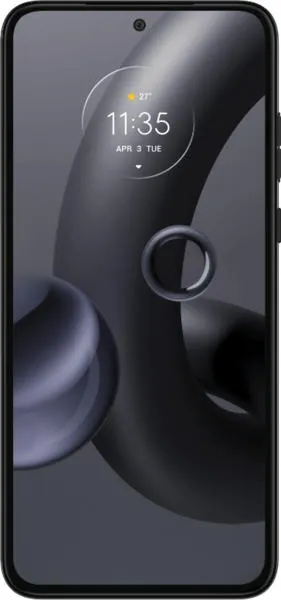
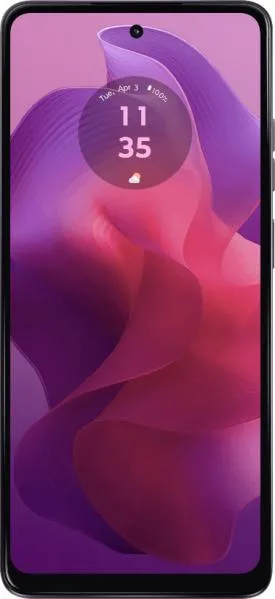
Motorola Edge 30 Neo vs. Motorola Moto G24: A Comparative Analysis
Let's dive into a head-to-head comparison of the Motorola Edge 30 Neo and the Motorola Moto G24, dissecting their specifications and uncovering what they mean for you, the user.
1. Specifications Breakdown
| Feature | Motorola Edge 30 Neo | Motorola Moto G24 | Real-World Implications |
|---|---|---|---|
| Design | |||
| Dimensions (mm) | 152.9 x 71.2 x 7.8 | 163.5 x 74.5 x 8 | Edge 30 Neo is noticeably more compact and pocketable. G24 might feel bulkier. |
| Weight (g) | 155 | 181 | Edge 30 Neo is significantly lighter, reducing hand fatigue during extended use. |
| Display | |||
| Type | P-OLED, 120Hz | IPS LCD, 90Hz | Neo offers deeper blacks, richer colors, and smoother scrolling thanks to P-OLED and higher refresh rate. |
| Resolution | 1080 x 2400 | 720 x 1612 | Neo's display is sharper and more detailed. G24's resolution is noticeably lower. |
| PPI | 419 | 269 | Text and images will appear crisper on the Neo. |
| Performance | |||
| Chipset | Snapdragon 695 5G | Helio G85 | Neo's Snapdragon 695 offers better performance and 5G connectivity. G85 is a budget-oriented 4G chip. |
| CPU | Octa-core (2.2 GHz) | Octa-core (2.0 GHz) | Neo should handle multitasking and demanding apps more smoothly. |
| RAM | 8GB | 4/8GB | 8GB RAM on the Neo ensures smoother multitasking. G24 offers a 4GB RAM variant which may lead to performance hiccups. |
| Camera | |||
| Main Camera | 64MP | 50MP | Both offer high-resolution sensors. Image quality will depend on factors beyond megapixel count. |
| Secondary Cameras | 13MP ultrawide | 8MP ultrawide, 2MP macro | Neo lacks a dedicated macro lens but has a better ultrawide lens. |
| Battery Life | |||
| Capacity | 4020 mAh | 5000 mAh | G24 boasts a significantly larger battery, potentially lasting longer on a single charge. |
| Other | |||
| OS | Android 12 (up to 15) | Android 14 | Neo launched with an older OS but offers longer software support. G24 starts with the latest Android. |
| Price Range | Medium | Low | Neo is positioned in a higher price bracket than the G24. |
2. Key Insights
The Edge 30 Neo prioritizes a premium experience in a compact form factor. Its strengths lie in its vibrant OLED display with a 120Hz refresh rate, superior performance thanks to the Snapdragon 695, and a sleek design. However, its smaller battery might be a concern for heavy users.
The Moto G24, on the other hand, focuses on affordability and long battery life. Its 5000mAh battery is a standout feature. However, it compromises on display quality, processing power, and overall design finesse compared to the Neo.
3. User Profiles and Recommendations
Edge 30 Neo: Ideal for users who value a smooth, responsive experience, vibrant visuals, and a pocketable design. This phone excels in multimedia consumption, gaming, and multitasking.
Moto G24: Best suited for budget-conscious users who prioritize long battery life and basic smartphone functionality. This is a solid choice for those who primarily use their phone for calling, texting, social media, and light browsing.
4. Buying Decision Framework
Questions to Consider:
- What is your budget? The G24 is significantly cheaper.
- How important is display quality and performance? The Neo significantly outperforms the G24 in these areas.
- How much do you prioritize battery life? The G24's larger battery will likely last longer.
Scenario-Based Recommendations:
- Heavy User, Value Performance: Edge 30 Neo
- Light User, Tight Budget: Moto G24
- Balanced User, Seeking Value: Consider the Neo if within budget; otherwise, the G24 offers excellent battery life for its price.
My Choice: Motorola Edge 30 Neo
If I were choosing between these two, I'd go for the Motorola Edge 30 Neo. While the Moto G24 offers tempting battery life and a lower price, I prioritize the smoother performance, superior display quality, and more compact form factor of the Neo. The Snapdragon 695 provides a noticeable performance boost over the Helio G85, and the OLED display with a 120Hz refresh rate is a game-changer for everyday use. For me, these factors outweigh the benefits of the G24's larger battery. I'm willing to invest a bit more for a significantly enhanced user experience, especially considering the longer software update support offered by the Neo. A portable charger can easily address any battery life concerns. In the long run, I believe the Neo offers a more future-proof and enjoyable smartphone experience.
